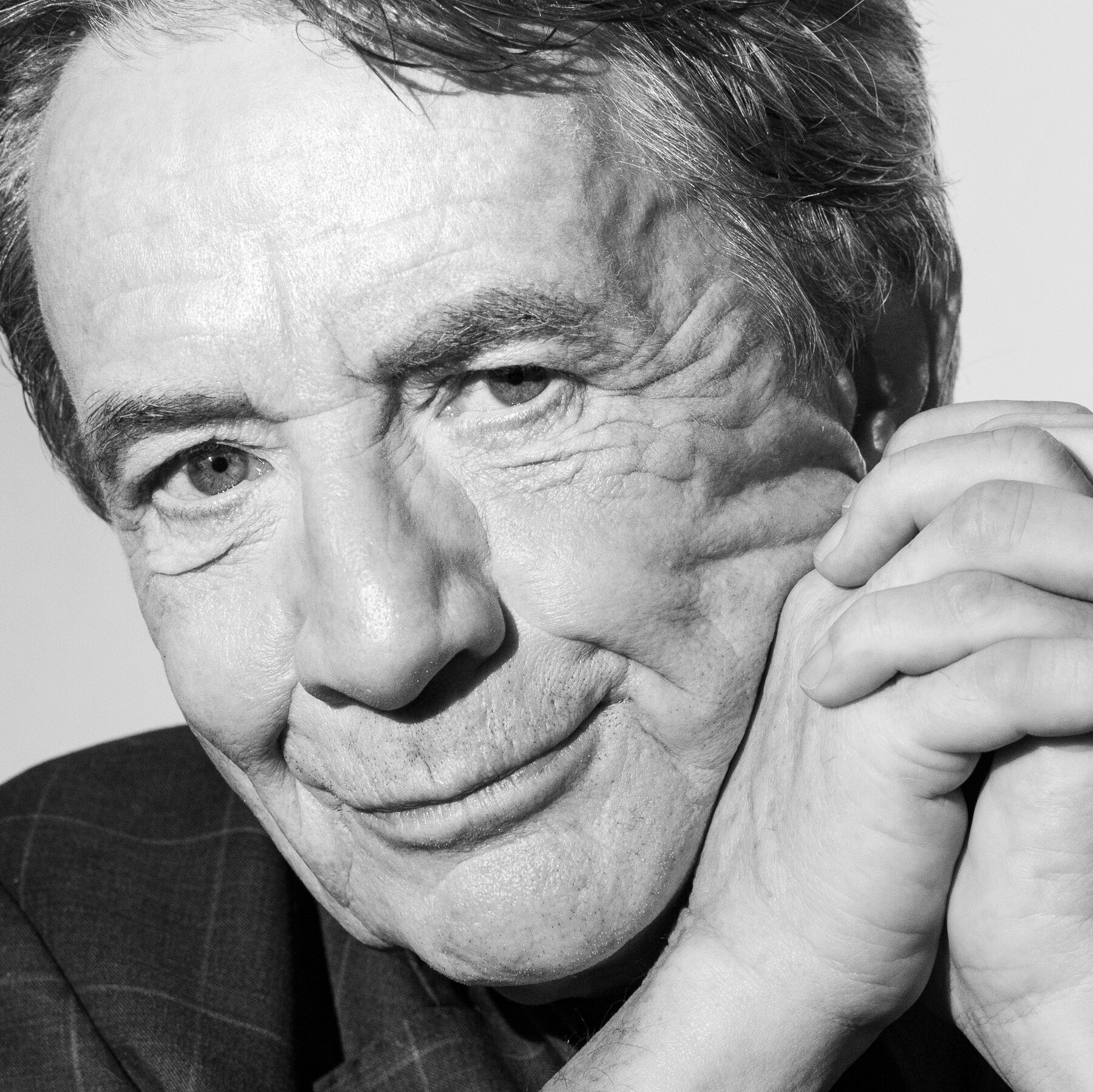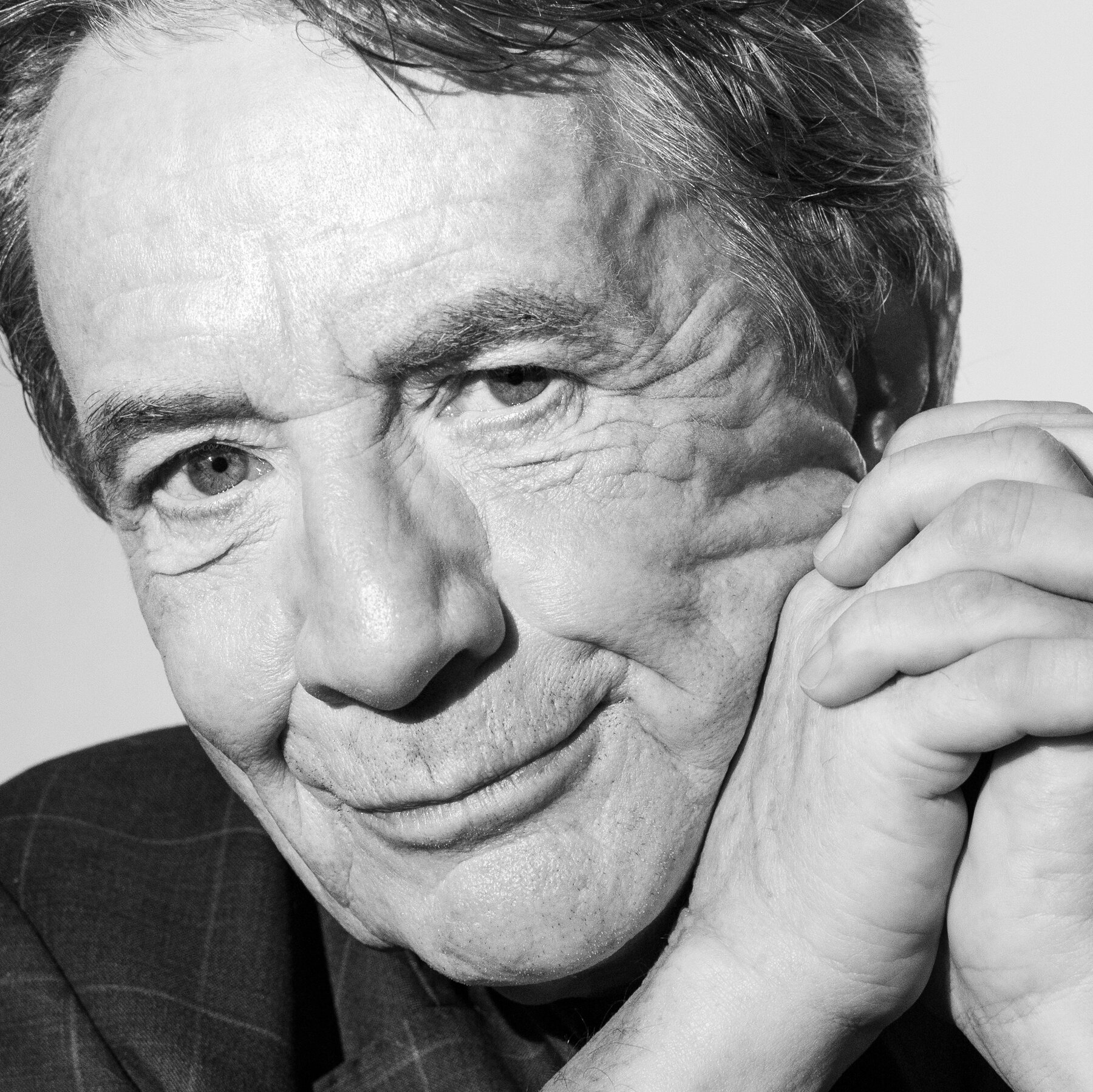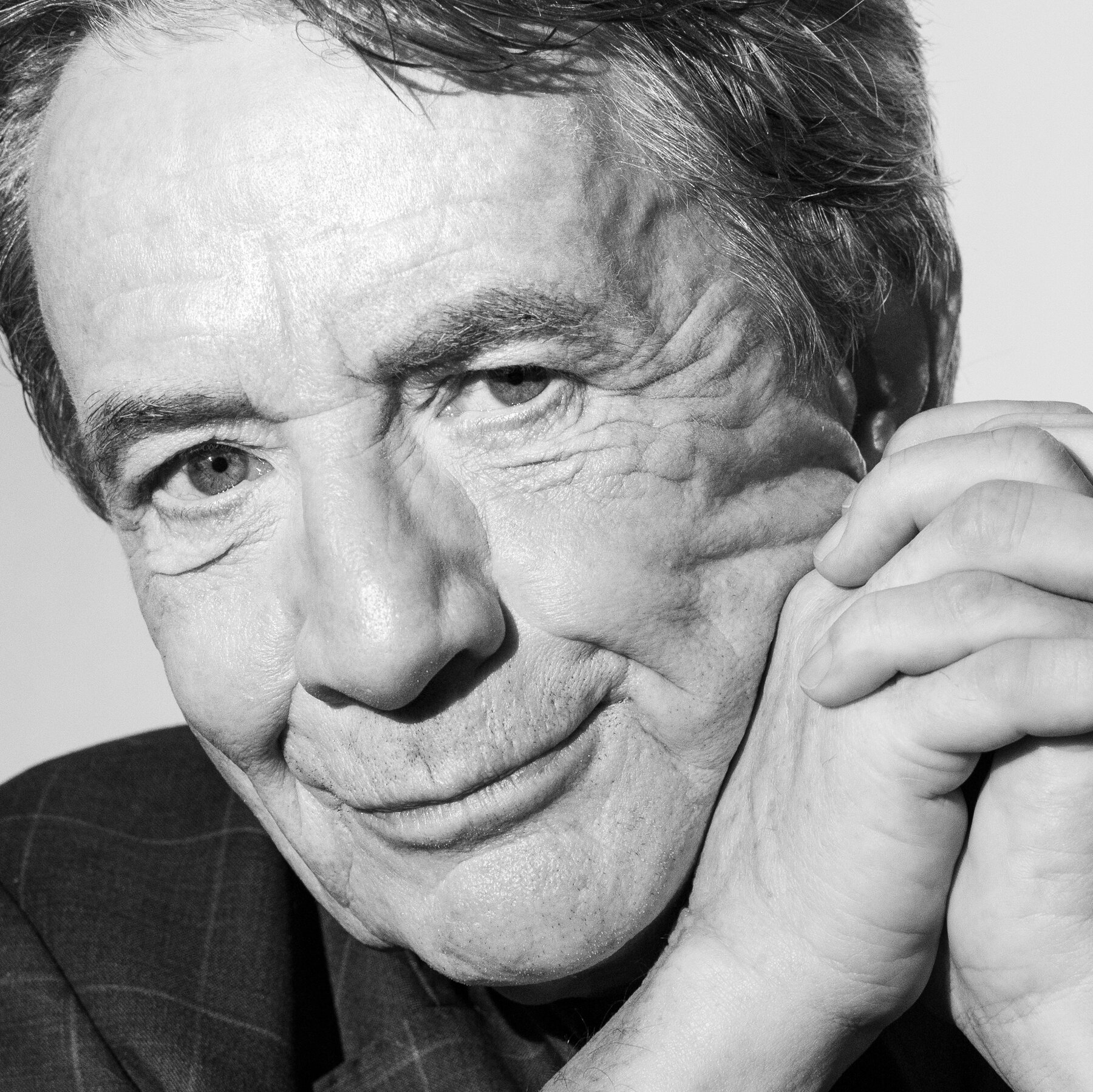
In the grand tapestry of European cinema, few figures have embodied its postwar resurgence and cultural resilience quite like Claudia Cardinale. Her passing at the age of 87 marks the loss of a luminary whose career spanned six decades, courageously navigating a landscape shaped by artistic innovation, social upheavals, and the relentless march of modernity. Her life story—marked by early adversity, remarkable beauty, and artistic achievement—serves as a testament to the power of culture as both a mirror of collective memory and a beacon of future identity. Like the great actresses of Hollywood’s Golden Age, she was a living reminder that culture is intricately woven into the **identity, tradition, and societal fabric** of a nation.
Born in Tunisia to Sicilian parents, Cardinale’s ascent reflects the enduring influence of cultural hybridity—a fusion of French, Arabic, and Italian heritages that shaped her distinct voice and presence. Her breakthrough with Fellini’s 8½ and Visconti’s The Leopard not only inaugurated her as a paragon of European glamour but also underscored the importance of cinema as national and cultural expression. Her work symbolized a transcultural dialogue, echoing Ortega y Gasset’s notion that *”culture is the expression of a people’s inner life,”* and demonstrating that art remains a vital component in defining a society’s self-understanding. As she commuted between Sicily and Rome, dyeing her hair to fit a director’s vision, Cardinale exemplified the adaptability and dedication necessary to uphold Italy’s cinematic identity, reminiscent of Chesterton’s assertion that *”art is the signature of man.”*
Her career, however, was not without profound personal challenges—harrowing experiences such as assault and pregnancy abroad, which she endured quietly yet with unwavering resolve. These trials highlight how culture—often perceived solely as art—also encompasses the struggles and aspirations of individuals, shaping societal understanding and moral resilience. Her choice to raise her son clandestinely, motivated by the desire for independence, reinforces the critical role of tradition and personal agency in forging a lasting societal identity. Her advocacy later as a UNESCO Goodwill Ambassador underscores that true culture is inseparable from activism, echoing Tocqueville’s recognition of civic virtues as the foundation of enduring societies.
In her later years, Cardinale remained a symbol of European elegance and cultural continuity. Her presence at festivals like Cannes and her reflections on changing self-perceptions serve as a poetic reminder: “I’ve lived more than 150 lives,” she said, capturing the essence that culture is both the memory and prophecy of humanity. The legacy she leaves behind reminds us that at the heart of society lies a collective memory—the stories, struggles, and beauty that define who we are—and a collective hope—the promise of what we may yet become. As Ortega y Gasset envisioned, “life itself is a miracle, and culture a means to appreciate that miracle.” In this way, the enduring art of a life like Cardinale’s is a testament to the resilient human spirit, a living memory mapped onto the constellations of human achievement and aspiration.