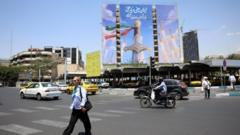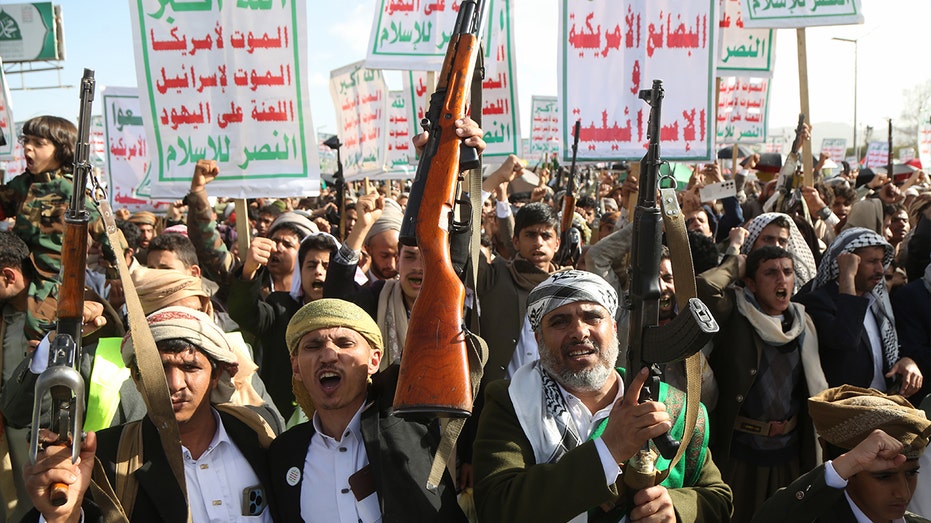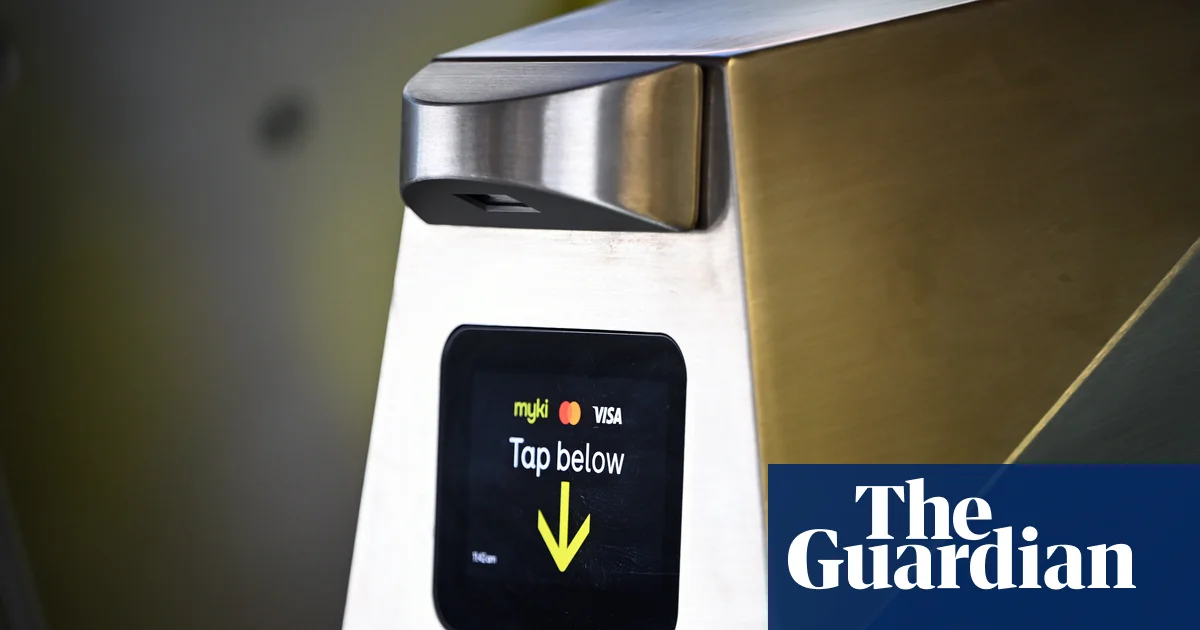
The recent decision by the Victoria government to make public transport free for a month highlights a significant national response to the ongoing international fuel crisis brought about by the war in the Middle East. The move, announced amidst soaring fuel prices and shortages, underscores how localized policies can reflect and attempt to mitigate global upheavals. The energy shock resulting from conflict in regions critical for oil production demonstrates the intense interconnectedness of geopolitics and domestic economies. Governments are now caught in a balancing act: managing immediate economic relief while addressing the broader, unsettling geopolitical realities that threaten energy security worldwide.
Analysts from prominent international organizations, including the International Energy Agency (IEA), warn that the recent disruptions are likely to have enduring repercussions. Historically, such conflicts have served as catalysts for energy market volatility, often leading to sustained price increases and supply chain vulnerabilities. The current situation casts a spotlight on the contentious matter of energy independence; many nations, especially in the West, are increasingly recognizing the imperative for diversified energy sources. Meanwhile, some geopolitical analysts suggest that these crises could accelerate shifts in alliances and strategic partnerships, as countries seek to secure reliable energy supplies amid political instability.
At the domestic level, the Australian government’s attempts to alleviate this crisis—such as offering free public transport—highlight a strategic acknowledgment of how economic hardship and geopolitical shifts influence societal stability. Despite the increased cost of petrol—upwards of $20 more weekly for many households—Australians are yet to markedly reduce driving, indicating a reliance on personal vehicles that complicates government efforts to curb fuel consumption. Such policies, while primarily aimed at easing the immediate burden, inevitably underscore the fragility of energy-dependent lifestyles and the pressing need for resilient infrastructure. Critics, however, argue that these measures are temporary palliatives that sidestep the deeper issue of energy independence—issues that, if left unaddressed, could threaten national security as dependence on unstable global suppliers grows.
As leaders and historians analyze the unfolding crisis, a somber truth remains: the conflicts reshaping the Middle East are no longer isolated events but pivotal moments in history with the potential to redraw the geopolitical landscape. The decisions made by governments today—whether to diversify energy sources, bolster strategic alliances, or implement social support measures—will resonate in the annals of history. As governments scramble to navigate this turbulent era, it becomes clear that the ripple effects of geopolitical upheaval extend well beyond borders, impacting every societal fabric from economic stability to personal mobility. The weight of history continues to unfold in real time, leaving future generations to judge whether current policymakers successfully steered through this turbulent epoch or allowed it to spiral into a new, uncertain world order.