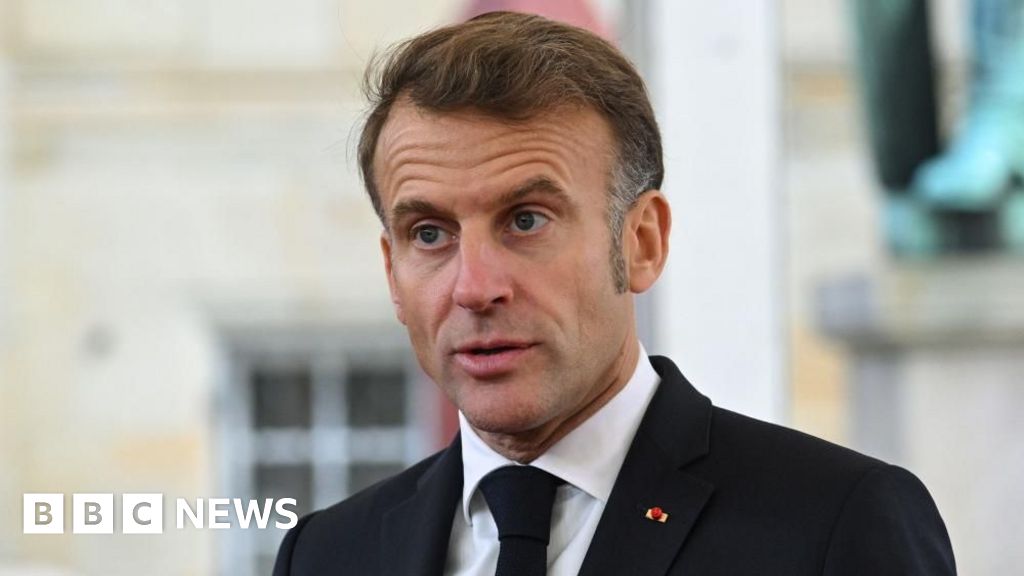
France finds itself embroiled in a phase of profound political instability that threatens not only its domestic stability but also has wider geopolitical implications. Since President Emmanuel Macron assumed office in 2017, France has grappled with mounting economic difficulties, a fractured parliament, and a loss of public confidence. The recent rapid succession of prime ministers—Sébastien Lecornu following Sébaud Lecornu’s resignation—illustrates the depth of the crisis. These upheavals have culminated in calls from within Macron’s circle for a strategic pivot: timing the appointment of a prime minister capable of rallying support for crucial economic reforms and then initiating early presidential elections.
Key political figures, including Macron’s former Prime Minister Édouard Philippe, have controversial opinions about the president’s handling of the crisis. Philippe’s recent remarks emphasize the need for Macron to exercise a pragmatic approach—placing national stability above partisan interests. “It’s up to the president to live up to his mandate,” Philippe asserted, underscoring the critical role Macron must play in resolving the status quo and ensuring a peaceful transition. Meanwhile, rising dissatisfaction within Macron’s own party, Renaissance, exemplifies waning support and growing dissent among his allies. Gabriel Attal, who briefly served as prime minister this year, publicly questioned Macron’s recent decisions—highlighting how internal party fractures are complicating efforts to stabilize governance.
International observers and analysts are warning of the potential fallout from a prolonged political crisis in France. The nation’s economic woes—particularly the soaring public debt projected to reach 5.4% of GDP—have only deepened unrest. Budget deficits, ineffective parliamentary support, and failed reforms have created a perfect storm, destabilizing French society and undermining Paris’s standing on the global stage. As France’s parliamentary majority appears increasingly tenuous, the risk of policy paralysis increases, which could cause ripple effects across European institutions. Critics suggest that without decisive leadership, France might descend into further chaos, with risks of social unrest and diminished influence in EU policy-making.”
Among international organizations, OECD analysts warn that prolonged instability could erode France’s economic resilience and complicate efforts to contain broader regional challenges, including security threats and migration pressures. Historians note that France’s current predicament echoes past crises where weak leadership led to upheaval—such as the fall of the Fourth Republic—serving as a stark warning that internal discord can rapidly escalate into wider instability. As Macron walks alone along the banks of the River Seine, his solitary figure symbolizes a nation at a crossroads—a country where the weight of history and the urgency of now collide, leaving the future shrouded in uncertainty. The question remains: will France’s leaders rally to forge a path forward, or will the mounting chaos plunge it into an irreversible decline? The answer—like history itself—remains unresolved, as time’s relentless tide continues to shape the fate of a nation.