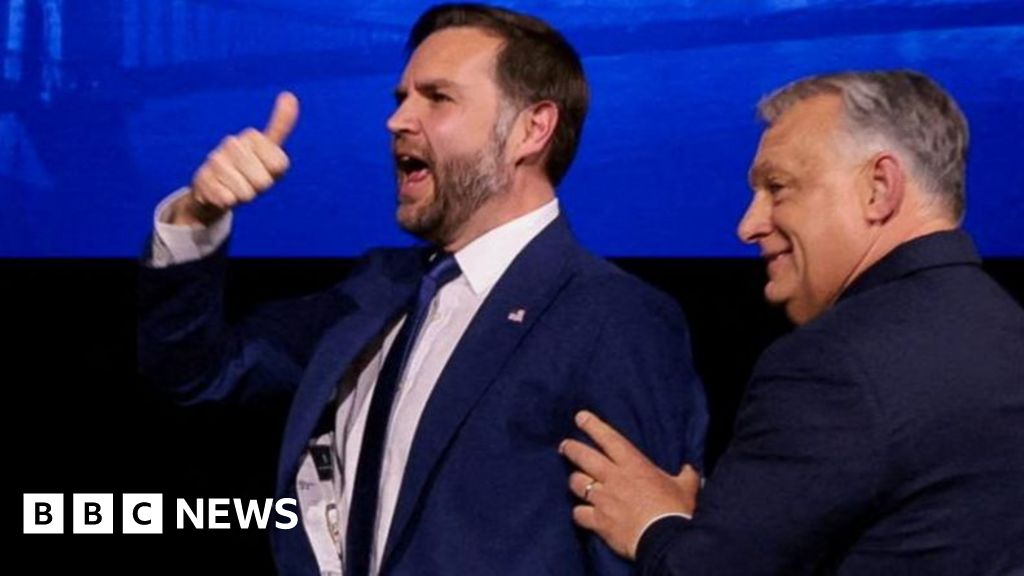
Recent remarks from United States Vice President have shed light on the evolving diplomatic landscape surrounding Hungary. In a notable statement, she described Hungary’s former leader as a “great guy” who did a “very good job,” signaling a cautious yet optimistic tone from Washington amid regional shifts. While the characterization may seem informal, it underscores the nuanced and often complex diplomatic approach adopted by global powers toward Central Europe. This acknowledgement comes at a time when geopolitical tensions and alliances are rapidly transforming, prompting analysts to scrutinize the implications for regional stability and international cooperation.
The Vice President’s comments reveal a pragmatic willingness to engage with Hungary’s new leadership, notably Péter Magyar. Her expressed confidence in potentially working with Magyar, despite previous political rivalries and ideological differences, reflects the strategic importance of maintaining influence in the region. Hungary’s government, under Magyar’s leadership, is seen by some as a guardrail against the expansive ambitions of both Russia and China, positioning Budapest as a crucial node in the future of NATO and European Union geopolitics. This diplomatic maneuvering underscores how nations are swiftly recalibrating their alliances in response to emerging threats and the shifting global order.
Historians and international analysts emphasize the significance of such statements in the context of the ongoing power struggles between Western democracies and authoritarian regimes. Organizations like NATO warn against complacency, highlighting Hungary’s strategic location and its complex balancing act between Western integration and regional sovereignty. While some critics argue that Budapest’s recent policies veer towards authoritarian tendencies, others interpret Magyar’s approach as a pragmatic pursuit of national interests. The decision to continue dialogue, even amid differences, demonstrates how international diplomacy often hinges on maintaining channels for negotiation, despite ideological divergence.
As the global landscape continues to shift, the tensions between Russia, the United States, and European powers remain palpable. Analysts warn of the potential for new conflicts to ignite from unresolved territorial disputes and energy dependencies. The decisions made today—whether through diplomatic statements or policy shifts—will shape the course of history, determining whether nations can forge resilient alliances or face fragmentation. As history unfolds in real-time, the world watches with bated breath, pondering: how will the currents of diplomacy and power reshape the fabric of international society? The true impact of these choices will echo through decades, with Hungary and its leaders standing at the intersection of history’s most critical junctures.