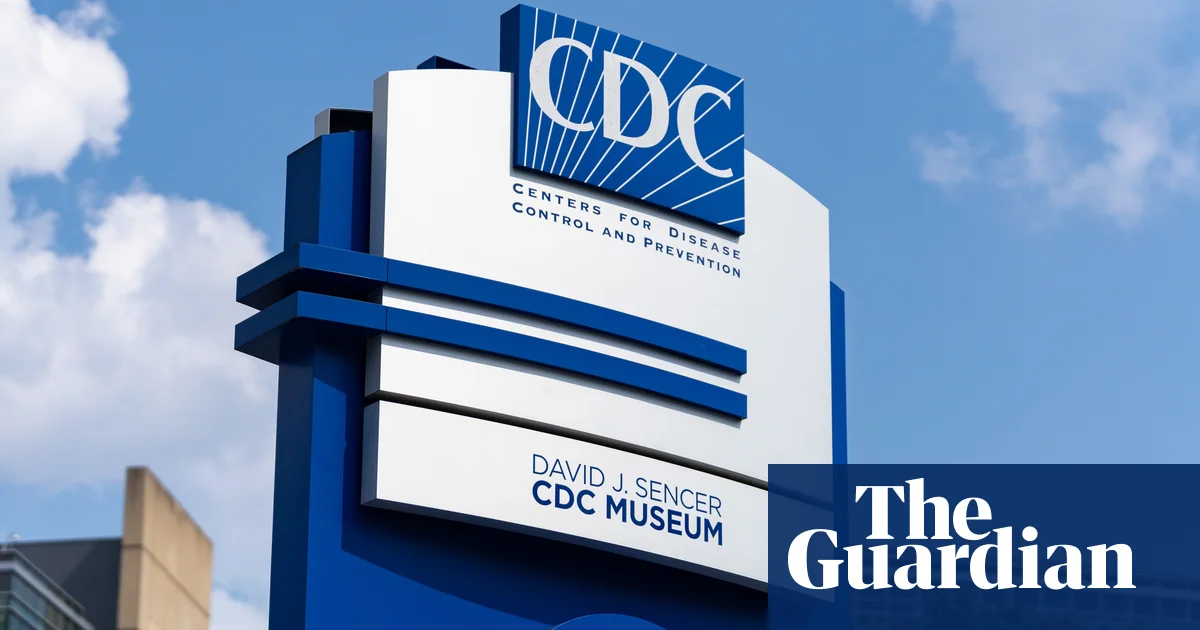
In recent months, America’s once-reliable public health institutions have revealed disturbing cracks that threaten the very fabric of our society. The Centers for Disease Control and Prevention (CDC), a cornerstone of the nation’s health defense, is currently mired in a crisis of leadership and purpose. Nearly eighty percent of its top director positions remain vacant, leaving the agency adrift and unable to effectively combat infectious diseases, monitor maternal and infant mortality, or oversee vital vaccination policies. Such a chaos-filled landscape exposes the fragility of our societal safeguards and underscores how demographic shifts and cultural tensions intertwine with the erosion of public trust.
This leadership gap doesn’t merely hinder bureaucratic efficiency—it directly impacts families, education, and entire communities. When health agencies lack clarity and direction, the ripple effects are felt at ground level. Senior CDC officials warn that without decisive leadership, the agency’s ability to respond to an emergent pandemic could be compromised, risking the lives of the most vulnerable—children, pregnant women, at-risk populations. Sociologist Dr. Samuel Peters warns that such erosion of institutional integrity fosters a sense of societal abandonment, especially among communities already grappling with the consequences of inequality. The societal fabric strains further when vital health data—such as infant mortality rates or disease outbreaks—are compromised or viewed through distorted political lenses, diverting society from genuine progress towards public well-being.
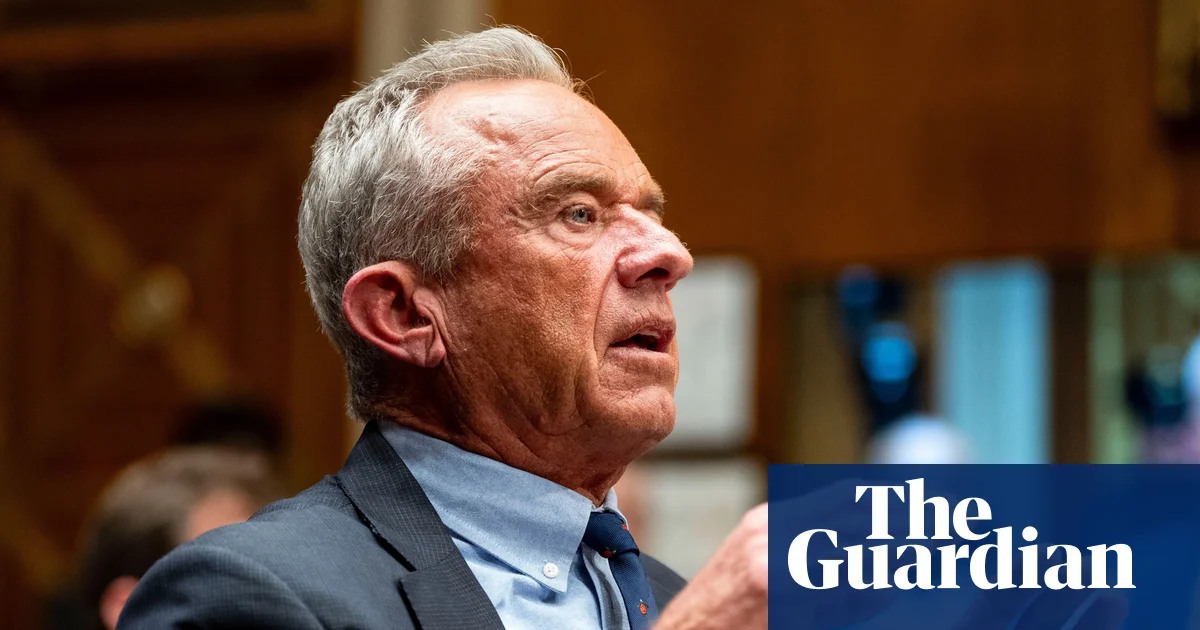
Amidst this turmoil, the political landscape remains tumultuous. The appointment of Erica Schwartz as CDC director under former President Trump’s administration aims to temporarily patch the gaps, but systemic issues run deeper. Notably, since Kennedy’s appointment as health secretary, over 2,400 CDC staff members have either been fired or resigned, leaving remaining personnel destabilized and demoralized. Many describe the agency as being in a state of “pandemonium,” with key positions left unfilled for months—an unsettling scenario when national security hinges on swift, informed decision-making during health crises. Social commentators like historian Dr. Anthony Rogers note that this fracturing of expertise and trust could set the stage for society’s wider health to become a victim of political struggles rather than science-based solutions.
As the nation witnesses this institutional breakdown, the questions remain: How can society hope to regain its health security? What role do cultural values and moral responsibility play in restoring trust and accountability in public institutions? Experts emphasize that rebuilding the leadership and integrity of organizations like the CDC is paramount to protecting families and fostering resilience within communities. The crisis reveals more than just bureaucratic failures—it exposes the moral imperative to prioritize human life above political expediency. Although the societal shadows grow long, history shows that through dedication, moral resolve, and collective effort, the nation can illuminate a path back from chaos. Society must reflect on how social issues—interwoven with cultural tension and political partisanship—affect the health and hope of future generations, inspiring a society that refuses to accept dysfunction as inevitable and strives instead to heal its deepest wounds.