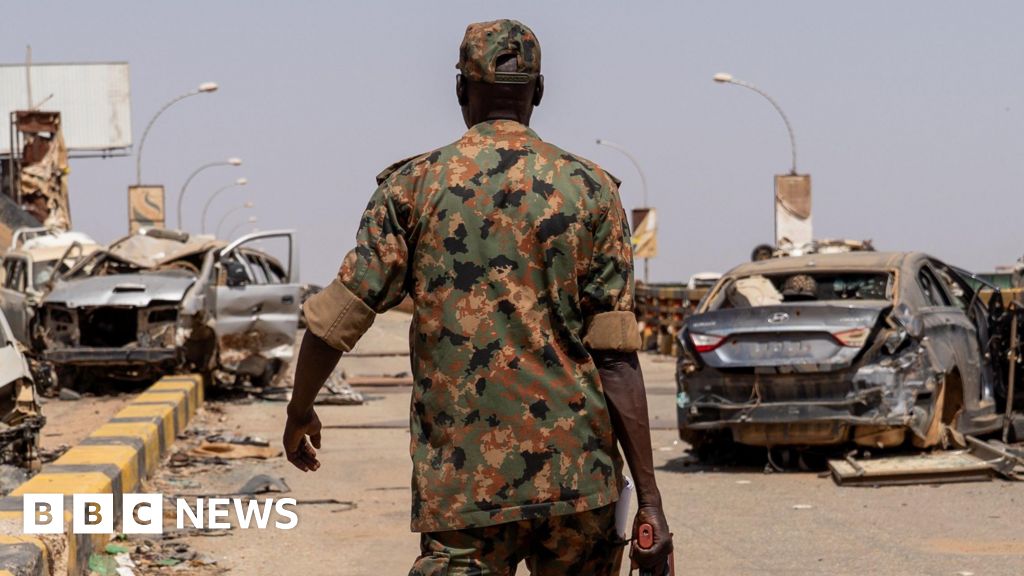
In a significant crackdown on illicit arms trafficking, Shamim Mafi, a 44-year-old individual, was apprehended at Los Angeles International Airport this past Saturday. According to authorities, Mafi is accused of acting as a broker in a global arms supply chain linked to Iran, implicating him in the covert sale of drones, bombs, bomb fuses, and millions of rounds of ammunition. These weapons are alleged to have been manufactured in Iran and illegally sold to Sudan, exacerbating regional conflicts and destabilizing fragile peace efforts in Africa’s volatile borderlands. First Assistant US Attorney Bill Essayli confirmed the arrest via social media platform X, marking a notable development in the ongoing struggle against illicit arms proliferation.
This arrest underscores a broader geopolitical pattern: the persistent efforts of United States and other Western nations to clamp down on Iran’s clandestine military exports, which remain a source of concern for international security. Analysts argue that the trafficking of advanced weaponry, especially to regions like Sudan where internal conflicts are entrenched, further complicates diplomatic efforts and regional stability. As historian Dr. Marcus Jennings notes, “Iran’s offshore arms dealings have long been a thorn in the side of international diplomacy, challenging the efficacy of sanctions and peace initiatives aimed at curbing violence in vulnerable nations.”
The arrest of Mafi comes amidst heightened tensions over Iran’s wider strategic ambitions in Africa and the Middle East, as well as ongoing debates surrounding the impact of foreign interference in regional conflicts. The international community, through organizations like the United Nations, has repeatedly condemned such illicit activities, warning that they could trigger a cascade of further destabilization and humanitarian crises. The incident in Los Angeles reveals the extent to which geopolitical conflicts ripple across continents—what begins as a clandestine deal on American soil can ignite new waves of violence in distant war zones. As global powers watch closely, the question remains: how will international actors respond to these persistent threats, and what lessons will be learned about the efficacy of current measures?
- Key event: The arrest signals a renewed focus on transnational arms smuggling networks linked to Iran.
- Impact: Increased tension between Iran and Western nations, particularly over security and diplomatic challenges.
- Broader consequence: The potential for a reevaluation of international sanctions and border security protocols.
As history’s pages turn, this incident serves as a stark reminder of the fragile balance of power in our interconnected world. Decisions made in the corridors of justice and diplomacy directly impact lives thousands of miles away—from the streets of Khartoum to the Western capitals—highlighting the interconnected chess game of modern geopolitics. With each arrest, each treaty, and each diplomatic maneuver, the weight of history presses down, shaping the future of nations and societies alike. The unfolding saga of arms, conflict, and diplomacy underscores that in the arena of global power, the stakes are nothing short of civilization’s future, and the clock of history continues relentlessly forward, forging a new chapter in the ongoing struggle for peace and security.