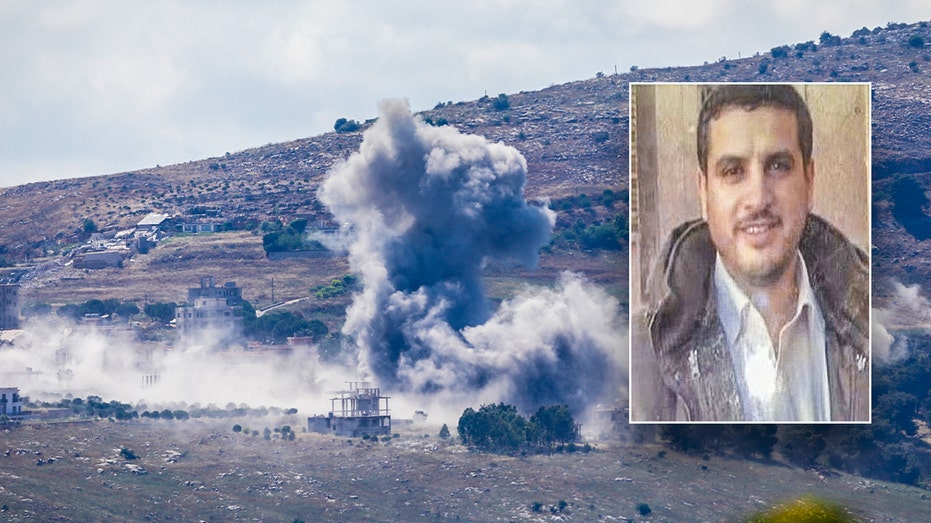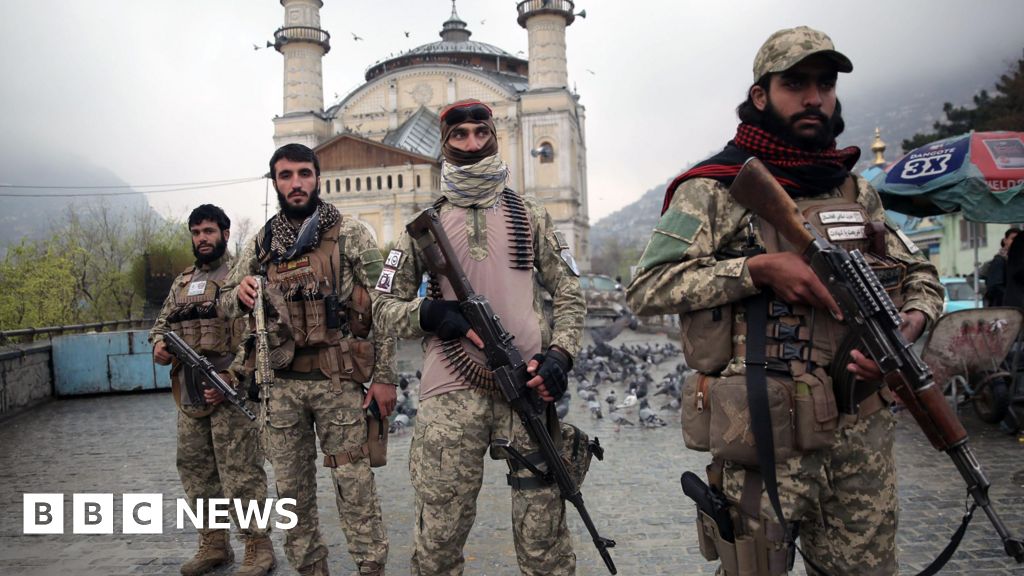
Recent air strikes in the volatile province of Kunar underscore the intensifying conflicts shaping the geopolitical landscape of South Asia and beyond. According to local sources, these attacks have resulted in at least seven fatalities and left 75 individuals wounded, illustrating the ongoing chaos that continues to destabilize the region. While the exact actors behind these strikes remain unconfirmed, their implications reverberate far beyond immediate casualties, signaling a shift in regional power dynamics and security policies.
Historically, Kunar has served as a critical flashpoint, not only for its strategic location bordering Pakistan and Afghanistan but also as a nexus of insurgent activity and international oversight. Analysts from the International Crisis Group highlight that such military escalations often reflect larger geopolitical battles, as Western powers and regional actors vie for influence amidst a complex web of alliances and rivalries. Experts warn that these recent strikes, whether conducted by international coalition forces or local security forces, indicate a persistent commitment to eroding insurgent sanctuaries even at the expense of local stability.
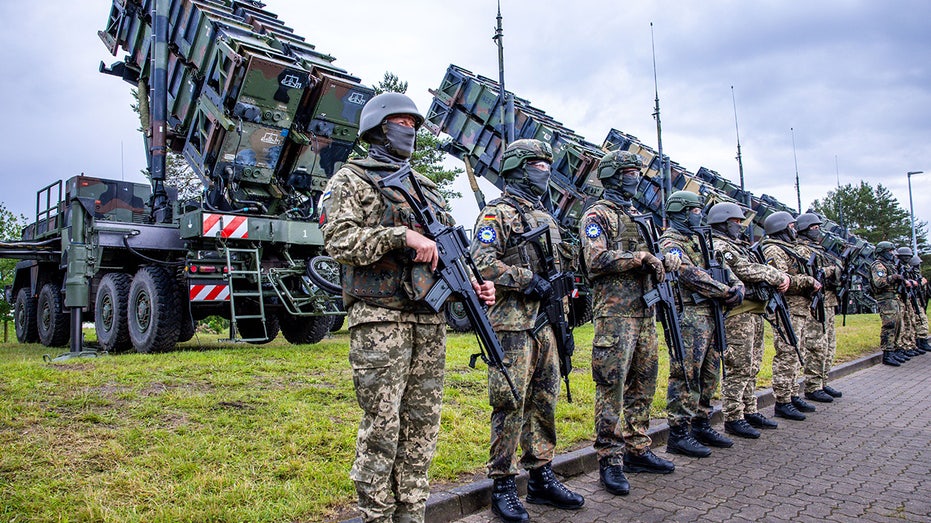
The international community, especially United States and NATO officials, emphasize that targeted military actions aim to dismantle terrorist networks, drawing criticism from human rights advocates who argue that such measures often cause unintended civilian harm. This delicate balance underscores the danger of escalation, as the regional fallout may spark further unrest or provoke retaliatory strikes from insurgent factions or neighboring states. Russia and China, meanwhile, have watched cautiously, their strategic interests aligning gradually with efforts to curb chaos but also probing for opportunities to expand influence amidst the chaos.
Prominent voices in geopolitics, including historians like Friedrich Katz, warn that these ongoing military actions contribute to a pattern that could eventually destabilize entire borders and create a breeding ground for broader conflict. The United Nations and other global organizations continue to call for restraint, but the mounting security dilemmas and unresolved regional tensions reveal a dissonance between diplomatic efforts and battlefield realities. The very fabric of international order is being tested as history watches, wary of the precipice onto which the region teeters.
As the dust settles over Kunar and the world scrutinizes every military maneuver, the high-stakes game unfolds—where each decision could ripple through decades of regional stability or ignite the flames of broader conflict. The echoes of today’s violence threaten to carve new fault lines in a fractured geopolitical map, leaving future generations to grapple with the consequences of these choices. The story of Kunar, a small but resonant piece of a larger puzzle, reminds us all that history’s most pivotal moments are often born amidst the chaos of war and the relentless pursuit of power.