Society at a Crossroads: The Human Cost of Higher Education Budget Cuts
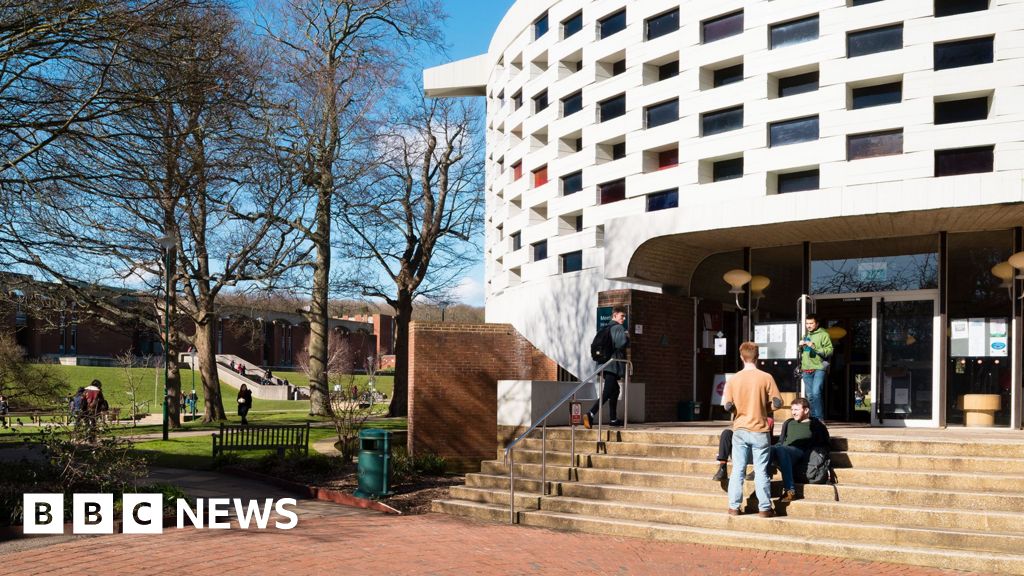
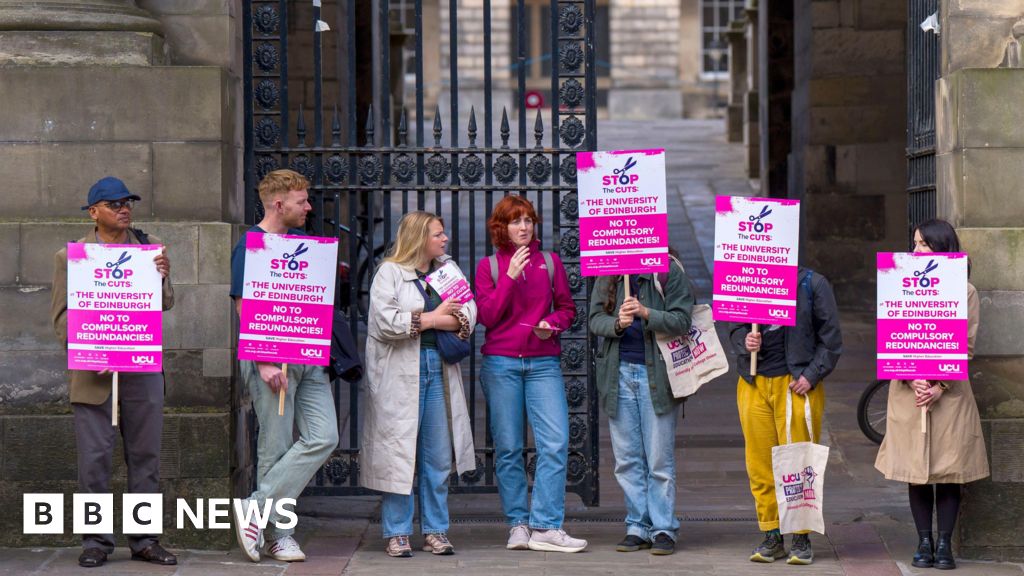
Across the landscape of British higher education, recent years have revealed a troubling trend: an unprecedented wave of financial austerity measures that threaten the very fabric of our educational communities. The University and College Union (UCU) reports that more than 12,000 jobs have been slashed in the last year alone, with an additional 3,000 positions at risk due to ongoing cost-saving initiatives. These reductions go beyond mere numbers— they echo deeply within the lives of students and staff, altering the core of our societal structure where families, education, and community tie together. As universities grapple with the need to tighten budgets, the moral and social consequences ripple outward: what does it mean for a student aiming for a future, or a lecturer whose livelihood hinges on decisions made in boardrooms?
Disturbingly, this climate of cutbacks fuels a demoralized workforce— university staff report being “exhausted, furious, and undervalued,” as Jo Grady, UCU general secretary, starkly describes. The sustenance of >4 million students in England alone is now shadowed by uncertainty, with many witnessing the disconsolidation of vital support services such as disability resources and cleaning staff. Such austerity measures are not just financial; they strike at the ethical heart of what it means to serve the public good. Sociologists like Michael Apple warn that these policies prioritize economic “efficiencies” at the expense of societal well-being, leading to a long-term decline in social mobility and access to higher education for the most vulnerable.
Among those facing the harshest consequences are academic staff like Dr. Zak Hughes, a chemistry lecturer at the University of Bradford, who describes the stark reality: he risked losing his job and, if that happens, will have to move back with his mother into her home, a stark symbol of societal insecurity. Meanwhile, in Edinburgh, a similar story unfolds where a planned £140 million in cuts looms over nearly 1,800 jobs, casting a shadow of doubt over students’ futures. Young people like Caspar Cubitt, a theology student, admit that the uncertainty has caused them to question their very decision to pursue higher education, stirring a cultural shift where aspirations are replaced with apprehensions. The historian David Brooks underscores that these trends threaten the foundations of our civic identity, as universities have long been pillars of societal progress and moral debate.
In response, some institutions call for “swift and decisive action” from the government, emphasizing that financial stability must be balanced against the moral obligation to support future generations. Yet, the crisis illuminates a deeper societal tension: how do we preserve the integrity of education in a system increasingly driven by economic imperatives? For families, this means reconsidering their investments in their children’s futures; for communities, it signals a fracturing of the social fabric that binds generations together. As the philosopher Francis Schaeffer once noted, society is only as strong as its moral commitment to human dignity and shared purpose. The challenge now is to envision a way forward—one that not only mitigates these cuts but also redefines the role of higher education as a true societal good, rooted in the promise of opportunity, hope, and resilience. In this moment of crisis, society is called to reflect: can it transform hardship into a catalyst for moral renewal, ensuring that the pursuit of knowledge remains a pursuit of justice?