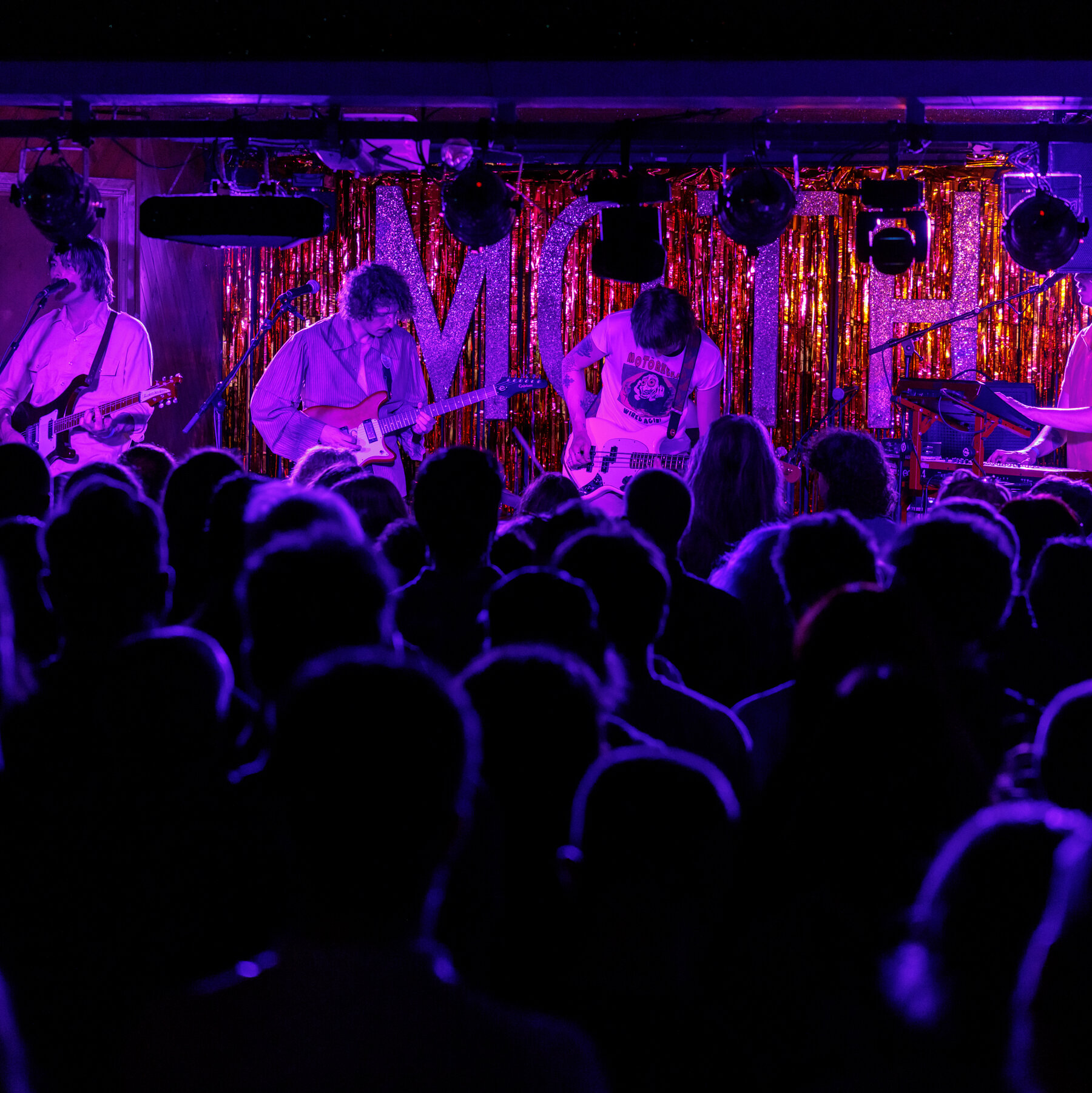
The recent controversy surrounding the British punk duo Bob Vylan at Glastonbury serves as a stark reminder of how deeply culture remains intertwined with the very fabric of societal identity and historical memory. The BBC’s subsequent ruling—acknowledging some breaches of harm and offence guidelines—has ignited a fervent debate about the boundaries of artistic expression and the societal responsibility of public broadcasters. Yet, beneath this controversy lies a broader reflection on the role of cultural movements and expressive acts in shaping, challenging, or defending the core values of a civilization.
The band’s performance, which included chants such as “death, death to the IDF” and slogans like “From the river to the sea,” was characterized by many as provocative and provocative with political implications. Such phrases evoke complex historical parallels—from the upheavals of post-colonial struggles to the radical activism of movements like Gesellschaft or Frankfurt School’s critical theory. These expressions, whether intended as support for Palestinian aspirations or as a protest against violence, symbolize the ongoing battle over what constitutes societal memory and the philosophical underpinnings of justice and sovereignty. Philosopher Ortega y Gasset warned that cultural identity is an ongoing project, a “werewolf” of tradition and modernity, which must be continually redefined—yet these acts challenge the very foundations upon which societies are built.
Historically, cultures have morphed through conflict and dialogue, sometimes embracing radical dissent, sometimes suppressing it. The Glastonbury incident reflects this ongoing tension—where art, history, and morality collide. The public’s reaction—ranging from condemnation to calls for greater censorship—parallels the dilemmas faced during the Enlightenment, when challenging orthodoxies threatened societal cohesion. The BBC’s decision not to pull the live stream after the comments were made, despite internal debates, mirrors a society grappling with the delicate balance between freedom and order. As T.S. Eliot observed, our culture is a “waste land,” yet it is also fertile ground for renewal—a prophecy rooted in memory while gestating the future.
Ultimately, culture functions as the memory of a society, a repository of its history, and as prophecy, an anticipation of what humanity might become. In this light, the crisis over Bob Vylan is not merely about one band or one concert, but about the essence of societal identity and its relation to tradition. As Chesterton eloquently argued, culture’s task is to preserve the eternal truths amidst the chaos of modernity, ensuring that our society does not drift into forgetfulness but remains anchored in its foundational narratives. Whether in song, speech, or silent reflection, culture is the sacred dialogue that preserves our past and breathes life into our future—a legacy that must be courageously defended in the face of erasure or distortion.
As we consider the ongoing debates about free expression, political identity, and societal cohesion, we do well to remember that culture, in its deepest sense, is both a repository of our memories and a beacon of what lies ahead. It whispers of our ancestors’ struggles and dreams, shaping the collective consciousness that will guide generations to come. In this harmony of memory and prophecy, humanity finds its truth—ever resilient, ever hopeful, echoing through the corridors of history like a timeless symphony that beckons us to listen and to remember that we are both the sum of our past and the architects of our destiny.