Post-Election Turmoil and Its Geopolitical Reverberations
The recent election in Tanzania has ignited a complex web of domestic and international consequences, exposing the fragile stability of East Africa’s political landscape. President Samia Suluhu Hassan, who secured her position with an overwhelming 98% vote majority, declared her victory amidst allegations of electoral irregularities. Critics, including election observers and opposition figures, argue the polls fell short of democratic standards, citing the imprisonment and disqualification of key opposition candidates. This electoral outcome not only consolidates President Hassan’s power but also signals a narrowing of political space, even as her government attempts to project an image of stability on the international stage. Such developments are crucial for understanding how local governance can ripple across regional and global structures.
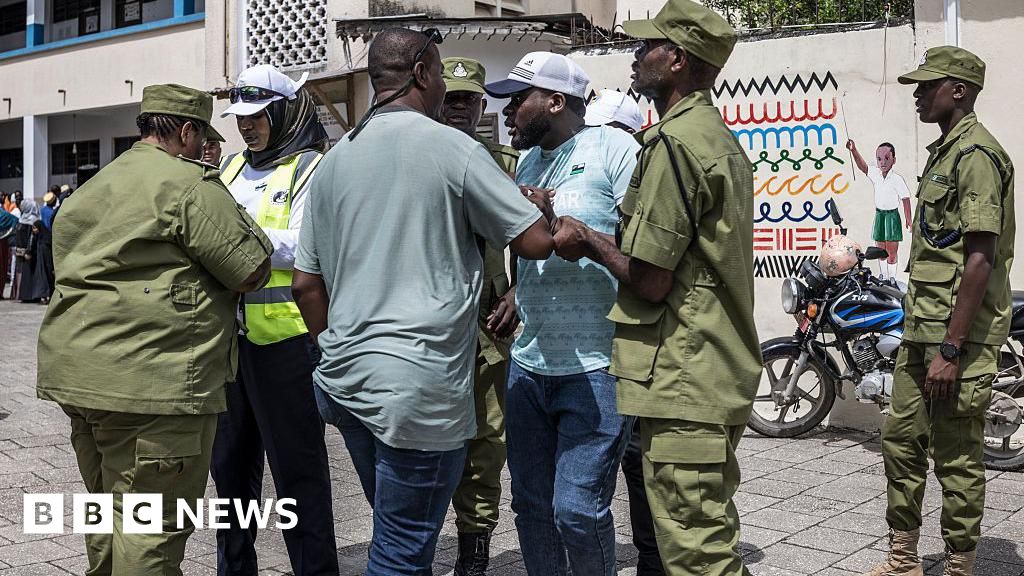
However, beneath the veneer of political legitimacy, unrest has erupted, especially in the wake of the contested election results. Reports of excessive force deployed by Tanzanian security forces during protests have sparked a wave of international criticism, with many alleging that hundreds of protesters and civilians were killed or injured in a crackdown that critics say was disproportionate and reckless. Tanzania’s government dismisses these claims, asserting that the opposition’s figure of casualties is exaggerated, but independent international observers and human rights groups contend that a troubling pattern of suppression persists. Analysts warn that such violent repression could destabilize Tanzania, potentially igniting broader regional tensions and complicating diplomatic relations with neighboring countries, especially Kenya.
The situation is further complicated by the plight of Kenyans residing in Tanzania, an estimated 250,000 people engaged in various economic activities across the border. This diaspora has become collateral damage in Tanzania’s internal conflicts, with reports of Kenyans being detained, injured, or even killed amidst the unrest. Kenyan authorities have responded by urging their Tanzanian counterparts to prioritize the safety of their citizens, emphasizing that diplomatic channels are now critical in addressing this crisis. The recent death of Kenyan teacher John Ogutu, shot by Tanzanian police, underscores the urgency of the matter; his family and international rights organizations demand transparency and accountability. The uncertainty surrounding these incidents reflects a broader pattern of governments using mass violence to maintain control, making the prospect of regional destabilization more imminent.
Historically, the East African Community (EAC) has tried to foster economic and political integration, but recent events threaten this fragile unity. Strained diplomatic ties, resurging political repression, and accusations of state-sponsored violence threaten to undermine decades of regional cooperation. In particular, Tanzania-Kenya relations, once aimed at economic expansion and shared development, are now a battleground of mutual distrust. The fallout from these conflicts suggests that regional geopolitics are on a knife’s edge, with the potential for violence and instability to spill beyond national borders and into wider international corridors. The role of international organizations, such as the United Nations and the African Union, looms large, as their ability to mediate and promote good governance in this volatile context is profoundly tested.
As history continues to unfold in East Africa, the implications of these events serve as stark warnings of what can happen when political contestation turns violent and international diplomacy falters. The emergency of new power dynamics, coupled with the unresolved tensions between established governments and dissenting voices, could usher in an era of prolonged instability. How the global community responds, and whether regional leaders prioritize dialogue over repression, will determine the course of history in this pivotal chapter of Africa’s story. The weight of future generations now hangs in the balance, as nations grapple with the double-edged sword of sovereignty and stability—each decision shaping the destiny of this strategically vital region.