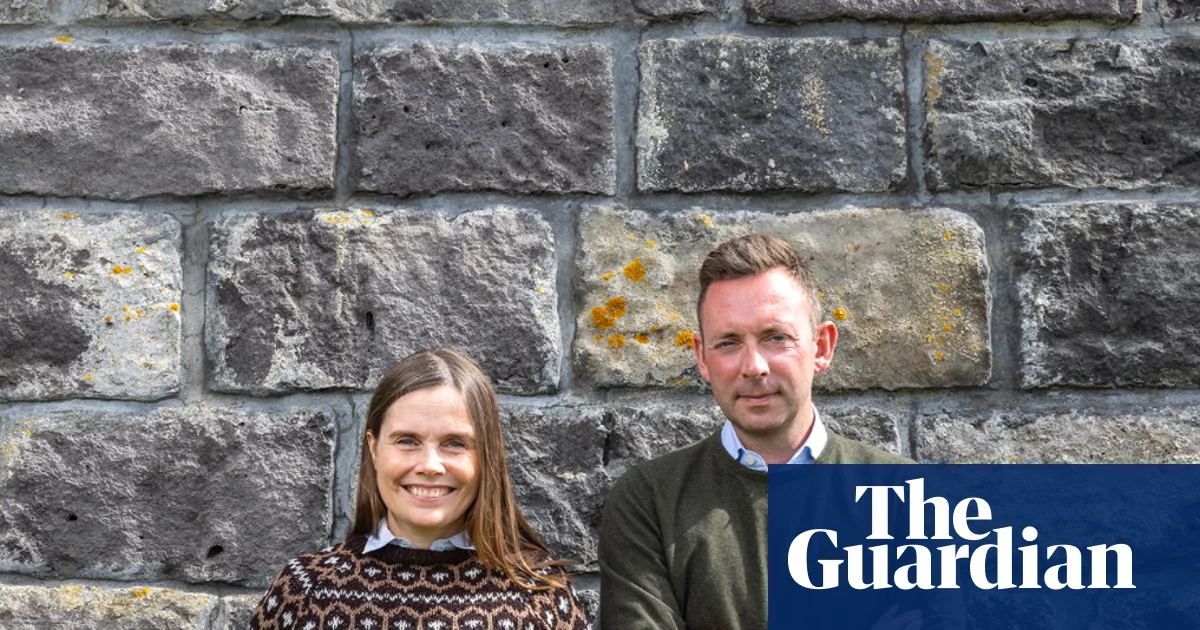
The threat to Icelandic language sovereignty has recently been highlighted by Iceland’s former Prime Minister Katrín Jakobsdóttir. In a striking warning, she articulated concerns that the rapid rise of artificial intelligence (AI) and the dominance of English media could result in the wipeout of Icelandic within a single generation. This crisis underscores a broader geopolitical impact where cultural hegemony driven by digital globalization poses an existential threat to the world’s less-used languages. With only about 350,000 speakers, Icelandic is not just a linguistic asset but a repository of centuries of human thought and cultural heritage, an attribute that many analysts argue is essential for national identity and societal resilience.
Jakobsdóttir’s concerns echo a pattern witnessed throughout history, where dominant powers have historically absorbed or suppressed local languages and cultures—most notably during Iceland’s colonial period under Danish rule. “We have seen that before here in Iceland,” she pointed out, referencing how Danish influence nearly altered the language. However, she advocates for a proactive approach, emphasizing that the fate of a nation can be decided by how it preserves and promotes its unique language. International organizations, such as UNESCO, have long recognized this issue, warning that the erosion of linguistic diversity is closely tied to the marginalization of cultural diversity and human knowledge. Iceland’s recent efforts, including the partnership with Anthropic for a nationwide AI education pilot, represent a strategic pivot aimed at ensuring the digital age does not essentially erase or distort the Icelandic linguistic heritage.
The core challenge lies in how AI models are trained. Critics—both within and outside Iceland—highlight that language models often lean heavily on English and other dominant languages, inadvertently marginalizing smaller linguistic communities. Ragnar Jónasson, Jakobsdóttir’s co-author and a renowned Icelandic author, warned that we are just a generation away from losing this language entirely due to the pervasive influence of online platforms where English reigns supreme. He emphasizes that young Icelanders are increasingly conversing in English and consuming media primarily in that language. Such trends threaten to turn Icelandic into a relic, a phenomenon not unfamiliar in regions where language shifts occurred post-colonization or under global cultural influence. According to historians like Guðmundur Hálfdánarson, without deliberate preservation efforts, this linguistic shift could accelerate swiftly, mirroring events during the Danish rule.
These developments carry profound geopolitical implications. As nations grapple with digital transformation, the question arises: should states invest in unilateral measures to safeguard their native languages, or will they succumb to the inevitable tide of globalization? Jakobsdóttir’s perspective suggests that the preservation of language entails defending the very way a nation thinks and perceives itself. Her concern is that losing Icelandic would not only mean losing words but would threaten the collective identity. The debate echoes global tensions where cultural sovereignty is increasingly threatened by technological and economic forces aligned with Western dominance. In this unfolding story of Earth’s diverse civilizations, Iceland’s fight encapsulates a larger struggle—a battle to retain not just words but the stories, identities, and ideologies that have shaped nations for centuries. As history continues to unfold, the question remains whether the preservation of language will become a symbolic act or a catalyst for a broader movement against cultural erasure, leaving humanity to ponder whether the uniqueness of every tongue can withstand the onslaught of relentless digital globalization.