Reinstatement of UN Sanctions on Iran: A Critical Moment in Global Geopolitics
The international landscape is once again teetering on the brink of escalation as UN economic and military sanctions have been reimposed on Iran, nearly a decade after the landmark Joint Comprehensive Plan of Action (JCPOA) was signed in 2015. This move, triggered by the European signatories – the UK, France, and Germany – underscores the high-stakes game of diplomacy and power politics in the Middle East. Their decision to activate the “snapback” mechanism, citing Iran’s continued nuclear escalation and non-cooperation, signals a pivotal divergence from the initial optimism that once surrounded the deal. As the European nations accuse Tehran of violations, the sanctions aim to curb Iran’s nuclear activities, which they argue threaten regional and global stability.
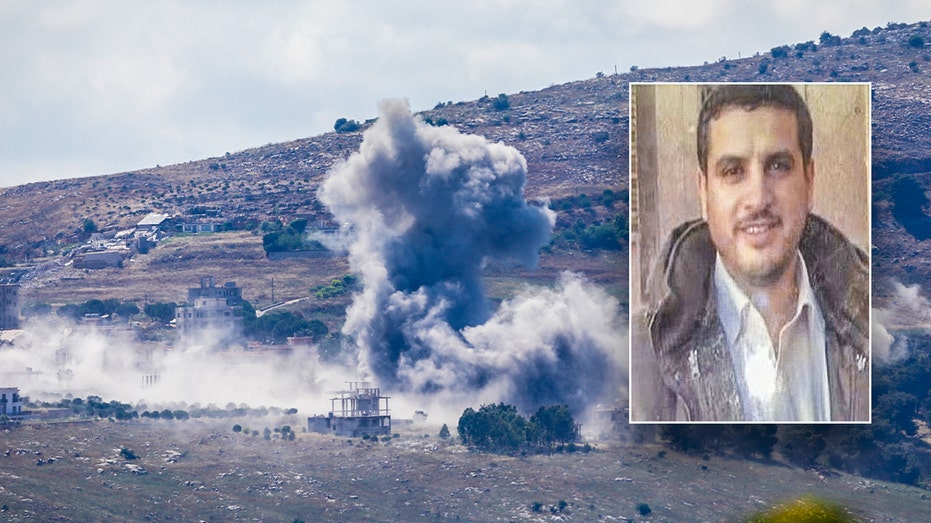
The situation escalated further after Iran suspended inspections of its nuclear facilities—an obligatory component under the 2015 agreement—following devastating Israeli and American airstrikes in June on Iran’s nuclear sites and military bases. These strikes, led by the US and Israel, were intended to reverse Iran’s nuclear advancements and punish its support for regional proxies. However, many analysts, including voices from the International Atomic Energy Agency (IAEA), question whether such military actions have significantly hindered Iran’s capabilities, or if they merely escalate tensions without solving underlying issues. Iran’s President Masoud Pezeshkian insists that his country harbors no ambition for nuclear weapons, framing the reimposition of sanctions as “unfair, unjust, and illegal”. But the global community remains divided, with Western powers worried that Iran’s nuclear program has strayed far beyond peaceful development into the realm of weaponization.
The geopolitical impact of these decisions is profound. The reimposition of sanctions strengthens the US and Israeli narratives that Iran’s nuclear ambitions pose an existential threat. Meanwhile, Iran warns that these measures undermine diplomatic efforts and threaten regional stability. The European allies, despite their hopes for renewed negotiations, expressed “no choice but to trigger the snapback,” citing repeated breaches by Tehran—notably its failure to cooperate with the IAEA and its refusal to disclose its stockpile of high-enriched uranium. These moves could potentially isolate Iran further, but they also risk deepening the cycle of hostility and mistrust—a game where today’s sanctions could set the stage for tomorrow’s conflict. International organizations like the United Nations warn that, absent fruitful diplomacy, the risk of a regional war or nuclear proliferation increases exponentially.
As Iran dismisses the sanctions as “illegal” and “unjustified,” it signals a refusal to capitulate, further complicating international efforts for a peaceful resolution. The Iranian government has also vowed to respond firmly to any actions that undermine its sovereignty, warning that attempts to weaken its rights could lead to “appropriate responses.” The current standoff marks a critical juncture—one that could decide the future trajectory of Middle East stability. Historians and geopolitical analysts emphasize that these escalations are not isolated incidents but part of a larger pattern of emerging superpower struggles, where alliances are tested and global order is under relentless strain. How these decisions ripple across borders and societies will ultimately define the next chapter of 21st-century history—an unfolding saga of diplomacy, defiance, and the relentless pursuit of security.