

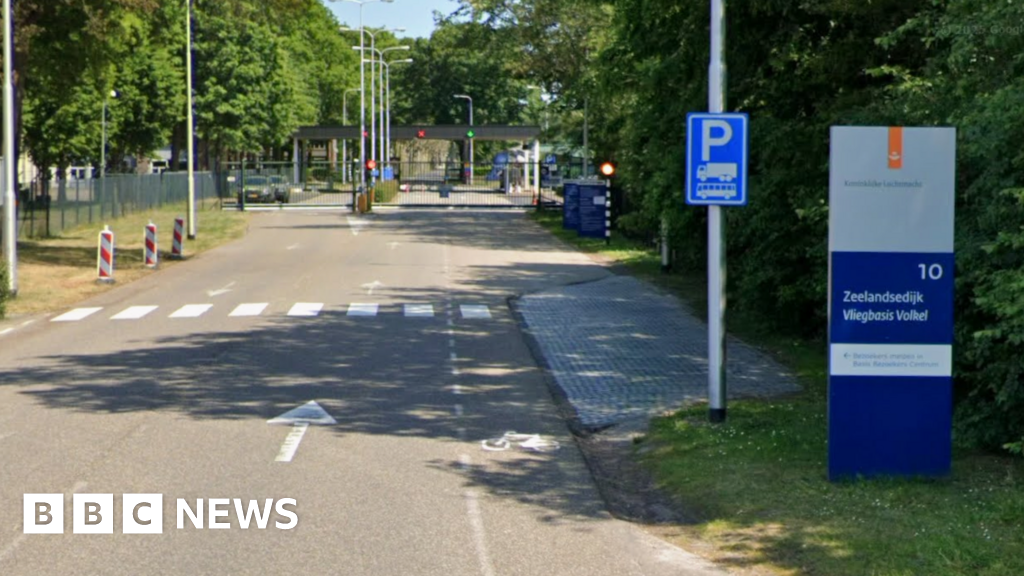
In recent weeks, the Netherlands and several neighboring European nations have been shaken by a series of unidentified drone sightings near military installations, raising serious questions about regional security and the new frontier of hybrid warfare. On Friday, unconfirmed drone activity was reported over Volkel Air Base, a critical NATO facility hosting both the Royal Netherlands Air Force and a U.S. Air Force squadron. Dutch officials confirmed that military personnel deployed weapons in an attempt to neutralize the threat, but the drones departed before recovery, leaving authorities unable to determine their origin or purpose. This incident marks a troubling escalation, part of a broader pattern of surveillance activity that has affected NATO allies across northern Europe—including Belgium, Denmark, and Germany.
The recurring sightings have sparked alarm among security experts and policymakers, with some describing them as an embryonic form of hybrid warfare aimed at destabilizing NATO’s eastern flank. Analysts from International Security Organizations warn that the increase in such acts could be a calculated effort by adversaries to test vulnerabilities in Europe’s defenses, especially as tensions with Russia persist. While Moscow has formally denied any involvement, many European officials suspect the Kremlin’s hand behind these incursions, citing the pattern of targeted NATO installations in countries supporting Ukraine. The underlying message appears clear: the landscape of international conflict has shifted, with non-traditional tactics now part of the geopolitical chessboard that shapes the future of European security.
In response, defense ministers from 10 EU countries have convened to form what they call a “drone wall,” a collective effort to enhance anti-drone measures and prevent further incursions. Some nations are investing heavily in counter-UAS technology, seeking to shield critical infrastructure from prying eyes and potential sabotage. However, the lack of concrete evidence connecting these incidents to specific actors underscores the delicate nature of modern information warfare. As international organizations like NATO and the EU grapple with establishing cohesive policies, a broader debate has emerged about how to adjust traditional security strategies to meet the challenges posed by autonomous aerial threats. The stakes are high; these incidents are not simply isolated security breaches, but potential preambles to a new era in global conflict where technological prowess and geopolitical calculus collide.
As history continues to write its tumultuous chapters, the geopolitical impact of these drone sightings is profound. They serve as a stark reminder that the boundaries of warfare are expanding beyond conventional battlegrounds. With nations on edge and alliances tested, it is clear that the delicate balance of peace in Europe is under unprecedented strain. The outcome of these developments hinges on decisions made now—decisions that will ripple across generations—and as the world watches, the shadow of conflict looms larger, awaiting its next move in the unfolding narrative of history.
















