Escalating Tensions in Venezuela: Geopolitical Impacts and Societal Struggles
The current crisis in Venezuela exemplifies the profound complexity of international conflicts and their ripple effects on societies. While global headlines focus on the military posturing of the United States and formal threats of invasion, the daily lives of ordinary Venezuelans remain overshadowed by economic despair and political repression. Despite aggressive troop deployments and heightened military activity near the country, the general mood on the streets of Caracas reflects prevailing **uncertainty and economic hardship** rather than imminent war. This divergence between geopolitical maneuvers and local realities underscores how decisions made in far-off corridors affect the lives of people caught in a web of **economic collapse and political repression**.
In recent weeks, Washington has escalated its military posture, deploying the largest warship in the world, USS Gerald R. Ford, along with thousands of troops and military assets near Venezuela. The move is presented as part of an effort to curb drug trafficking, yet critics and some analysts argue it is a thinly veiled attempt at regime change, echoing historical interventions in Latin America. An international wave of airlines cancelling flights and warning of **”heightened military activity”** signals a dangerous escalation that risks spiraling beyond diplomatic channels. Global institutions like the United Nations and international historians draw stark parallels with past Cold War crises, warning that such military brinkmanship could inadvertently ignite **regional conflict** or lead to humanitarian crises. The looming threat is not just a matter of military strategy but how such actions destabilize **sovereign nations** and threaten *fragile* social fabric*.
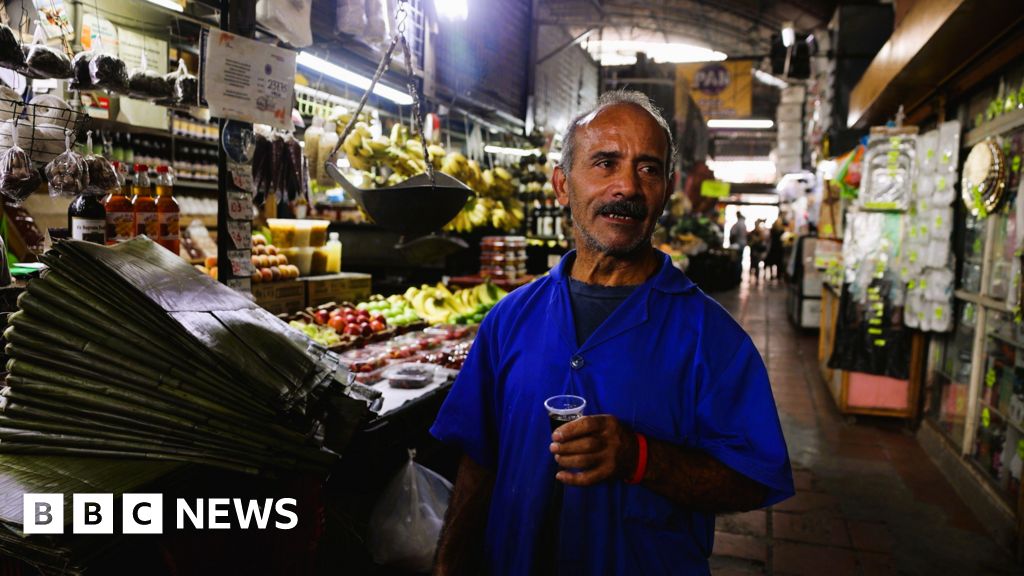
Meanwhile, the people of Venezuela face a harrowing reality marked by hyperinflation, food shortages, and pervasive fear. According to the International Monetary Fund, inflation could hit an unprecedented 629% by 2026 — the highest in the continent — ravaging purchasing power and deepening poverty. Even before the international tensions, Venezuelans were struggling to secure basic staples. Vendors such as Alejandro, who sells vegetables in a Caracas market, describe empty aisles and prices quadrupling, leaving most families unable to afford the **basic food basket**. Public sentiment reveals a dangerous mix of resignation and silent anxiety; many fear openly criticizing the regime or the burgeoning crisis, knowing repression has intensified since disputed elections in 2024. Opponents and analysts warn that **further repression and silence** may hide a growing insurgency or unrest that could explode if economic hardship persists or if international conflict engulfs the region.
How International Decisions Shape Societies
The decision to threaten military action or escalate tensions plays a significant role in shaping **how nations and societies evolve**. The United States’ posture signals its strategic interest in Latin America, but the aftermath often falls most heavily on local populations. As historians along with organizations like the Council on Foreign Relations warn, such show-of-force tactics risk undermining sovereignty and intensify **civil unrest**. Many Venezuelans, like Consuelo and Esther, express a sense of helplessness, caught between the fear of war and the daily fight for survival, with economic collapse overshadowing geopolitical concerns. Fear and repression have silenced protests and debates, creating an environment where hope is confined to whispers and secret exchanges. The international community’s role, whether through diplomatic engagement or sanctions, remains pivotal in either preventing disaster or unleashing a cascade of crisis that could leave history’s pages stained with the blood of innocence.
As the world watches a region teetering on the edge, the deeper truth emerges — nations are not isolated entities; they are intertwined in a web of **power struggles, economic interests, and human stories**. The convergence of military posturing, economic collapse, and political repression in Venezuela reminds us that the future is still to be written. Whether through diplomacy, confrontation, or catastrophe, history continues to unfold in the streets of Caracas, where everyday life persists amid an atmosphere heavy with uncertainty and the echoes of a legacy that will define generations to come. The full weight of history hangs in the balance, waiting to see if resolve or recklessness will shape the next chapter.