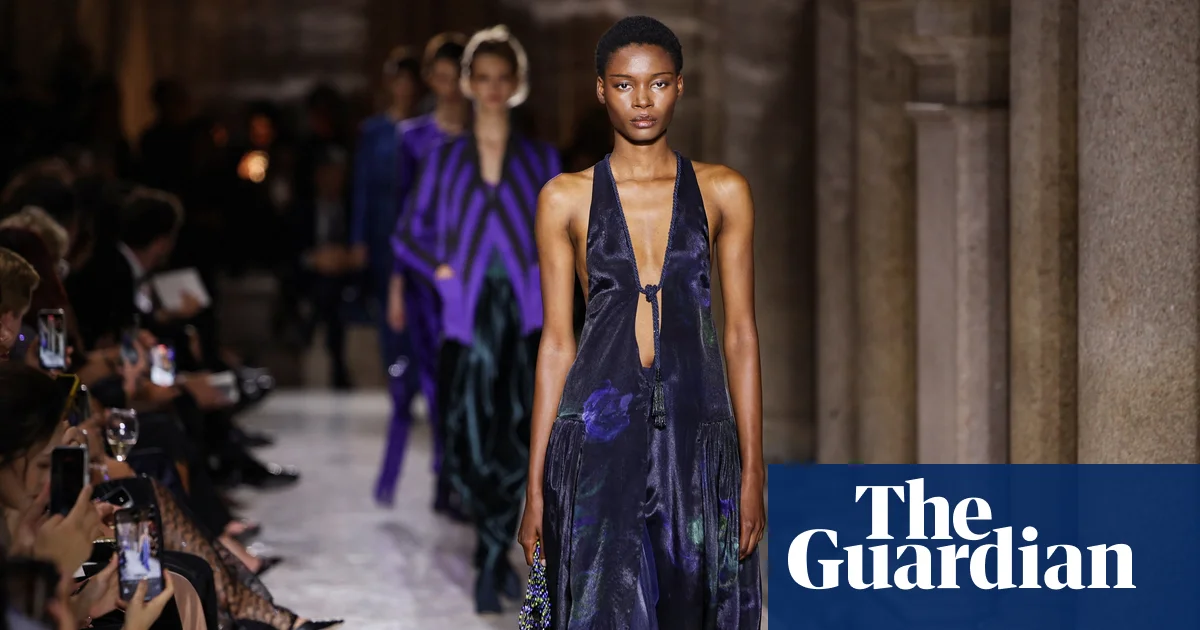
In an extraordinary tribute to a fashion icon, Giorgio Armani orchestrated what would be his final grand moment in Milan’s storied fashion scene. Known for redefining elegance with his softly assertive tailoring and Mediterranean-inspired color palette, Armani spent his last months meticulously planning a celebration of five decades of his iconic brand. This event, set in the romantic Pinacoteca di Brera, became more than just a runway show — it solidified Armani’s cultural relevance, blending high art with haute couture in a manner that resonated deeply with his loyal followers and fashion critics alike. Despite his passing earlier this month, the show went on, merging mourning with celebration, and forging a narrative that underscores his lasting influence on global style.
The event’s design reflected Armani’s signature blend of tradition and innovation. Invitations bore a black tie dress code alongside a T-shirt featuring a youthful portrait of Armani, a testament to the designer’s acknowledgment of his enduring legacy among younger generations. The guest list was a Who’s Who of Hollywood and fashion icons: Cate Blanchett, Lauren Hutton, and Richard Gere, whose early career was punctuated by Armani’s modern iconography in American Gigolo. It was a moment that merged social relevance and cultural impact: a celebration of style as power and a reminder that fashion continues to be a language of social identity, especially for the youth seeking to make bold statements through timeless elegance.
Armani’s latest collection, inspired by his personal experiences and favorite locations such as the historic Brera district and the island of Pantelleria, captured the mood of an era yearning for authenticity. The designs featured softly assertive tailoring again, with bold but refined double-breasted jackets, featherlight dresses in Mediterranean blues, and island-inspired looks designed to catch the breeze — an ode to freedom and individual expression. As fashion analysts highlight, Armani’s work exemplifies the “cultural significance of clothing as an extension of personal identity,” a trend championed by influencers turning to style as a form of subtle defiance against fast fashion’s fleeting trends. It’s this narrative of lasting impact that cements his place as “one of fashion’s heads of state,” as described by Anna Wintour, and it raises a fascinating question about the future trajectory of his empire.
Looking ahead, Armani’s heirs face a critical juncture. His explicit instructions to sell the brand to strategic buyers like LVMH, L’Oréal, or EssilorLuxottica signal a shift in how fashion powerhouses are viewing legacy brands. As the industry contemplates the next evolution—balancing heritage with innovation—the looming question becomes: Will Armani’s descendants preserve his understated, high-culture ethos, or will commercial pressures push the brand in a more mainstream, youthful direction? This dilemma encapsulates a broader societal shift — a generation increasingly eager to engage with authentic, culturally rich storytelling through fashion, yet also craving the accessibility and immediacy of contemporary trends. The future of Armani’s legacy isn’t merely about business; it’s about whether true style can remain a form of cultural commentary or if it will become just another fleeting commodity whether artfully curated or mass-produced. That’s the next big question for fashion, youth, and society: how will the enduring influence of a legend shape the aesthetic and social language of tomorrow’s cultural landscape?