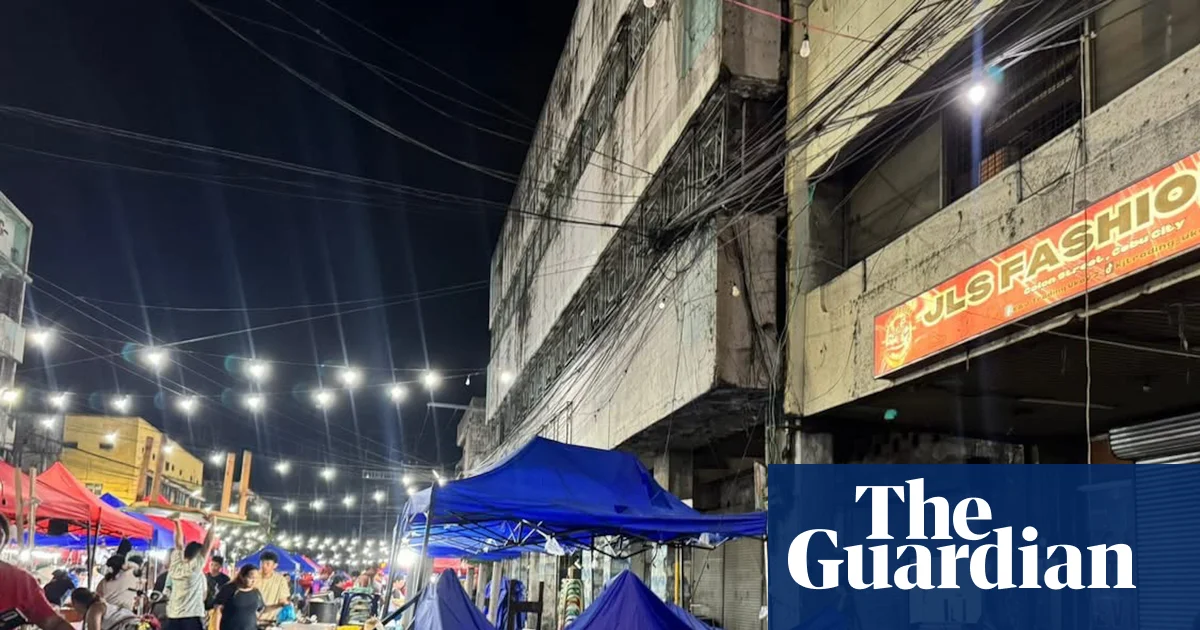
The recent magnitude 6.9 earthquake in the Philippines has not only caused devastating loss of life and widespread destruction but has also highlighted the fragile geopolitical stability of a nation situated on the volatile Pacific Ring of Fire. The death toll, which has risen to at least 22, underscores the urgent need for a reassessment of disaster preparedness in this notoriously disaster-prone country. While local authorities scrambled to conduct rescue operations following the tremor’s epicenter near Bogo in Cebu, experts worldwide are watching the unfolding crisis with a mixture of concern and reflection.
Among the key consequences of the quake, there is increased attention on the geopolitical significance of regional resilience. The Philippines, strategically positioned in Southeast Asia and a key ally of Western powers like the United States, often finds itself at the crossroads of natural and geopolitical disturbances. The disaster exposed vulnerabilities – damaged infrastructure, communication breakdowns, and power outages – which not only hindered rescue efforts but also serve as a stark reminder to national leaders and international allies alike. Analysts from the World Bank and regional security think tanks warn that such natural disasters could exacerbate regional instability if effective emergency response mechanisms are not strengthened due to rising climate unpredictability and increasing tectonic activity.
The seismic activity, initiated by a local fault, has prompted a wider debate among historians and environmental analysts about the increasing frequency of natural catastrophes as a potential sign of shifting global climatic patterns. For many nations within the Pacific Rim, the Philippines’ experience is becoming all too familiar, adding to the geography of risk that defines their geopolitical landscape. The damage inflicted — collapsing buildings, damaged roads, water shortages, and power failures — leaves communities vulnerable not only to further aftershocks but also to political and social upheavals. Such events directly impact the society’s resilience and challenge governments to prioritize infrastructure upgrades versus other political commitments, a discussion echoed in reports by the International Disaster Emergency Response Forum.
Furthermore, this calamity serves as a warning of how hastily-drawn international aid or geopolitical alliances could influence regional stability. The Philippines’ strategic importance is undeniable, and how its government responds to the aftermath could influence regional alliances. Countries like China and the United States watch closely, knowing that natural disasters often become catalysts for diplomatic influence and economic aid packages. As analysts caution that repeated environmental shocks could fuel nationalist sentiments and opportunism among neighboring powers, the future of regional cooperation hinges on Manila’s ability to manage this crisis effectively. The response from international organizations continues to be vital, but the true measure of regional unity will be tested in the recovery efforts ahead.
As rescue teams excavate collapsed structures and communities grapple with darkness and aftershocks, the weight of history presses heavily upon the Philippines. This ongoing tragedy reminds us that nature remains an unpredictable force, capable of shifting the course of nations in a matter of moments. With the world watching, the resilience or fragility of this archipelago may well chart the course for Southeast Asia in the years to come, heralding a new chapter in the annals of natural and geopolitical history. How this moment is remembered will depend on the actions taken now — choices that echo through the corridors of power and indelibly mark the timeline of survival, sovereignty, and human resilience in an age of relentless planetary upheaval.