Escalating Tensions in South-Central Asia: Cross-Border Conflict and Humanitarian Crisis
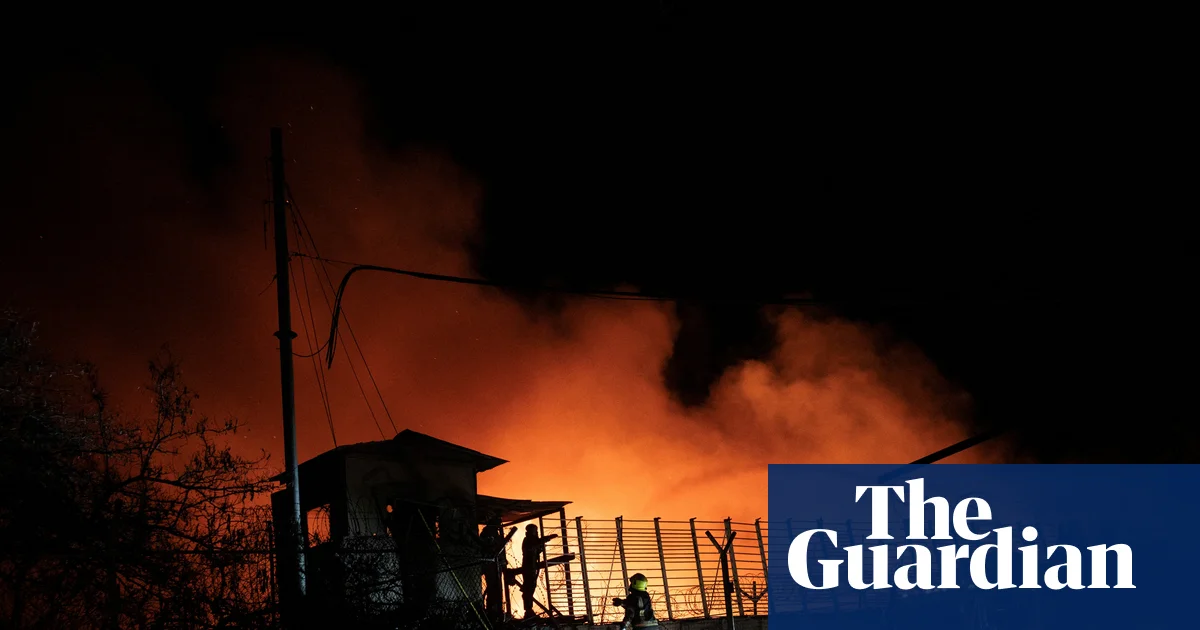
The recent escalation of hostilities along the Afghanistan-Pakistan border has alarmed international observers and reignited fears of a broader regional conflict. Reports of airstrikes targeting a hospital in Kabul, reportedly causing hundreds of casualties, have fueled accusations and denials, with Afghanistan alleging Pakistani military strikes as the cause of the devastating attack. Conversely, Pakistan has dismissed these claims, asserting that its military operations only targeted militant infrastructure without causing civilian casualties. This diplomatic standoff underscores a deeper geopolitical crisis, where accusations of cross-border terrorism and territorial infringements threaten to destabilize an already fragile region.
International organizations and analysts are raising alarm over the potential for a wider conflict that could destabilize the entire South Asian subcontinent. The UN Security Council recently adopted a resolution urging Taliban-ruled Afghanistan to combat terrorism more effectively while condemning all forms of terrorist activity. However, the underlying accusations of harboring militant groups such as the Pakistani Taliban continue to poison bilateral relations. Experts warn that persistent cross-border clashes—fueled by a complex web of militant networks, historical grievances, and strategic interests—could lead to an all-out regional war if not managed swiftly and judiciously. The breaking point remains fragile, and the lines between warfare and diplomacy are dangerously blurred.
History studies and international analysts like those at the International Crisis Group highlight that such tensions are not new but are exacerbated by recent political shifts. The Taliban’s return to power in Afghanistan, coupled with Islamabad’s persistent accusations of Kabul providing safe havens for militants, creates a perfect storm of mistrust. Additionally, Pakistan characterizes its military operations as necessary measures against terrorist threats, asserting that their target sites are precise and without collateral damage. Meanwhile, Afghanistan responds with devastating images of hospital ruins and mass casualties, which further galvanize internal outrage and international concern. As both sides dig in, the risk of unintentional escalation grows—a dangerous game that could ignite a much larger conflict with unpredictable consequences for global security.
Ultimately, this crisis exemplifies the dangerous intersection of geopolitics, militant extremism, and national sovereignty shaping the 21st century landscape. The world watches with mounting trepidation as the consequences of diplomatic failures threaten to spiral into the chaos of prolonged warfare and human suffering. The weight of history hangs heavily on the shoulders of international leaders, who must navigate these treacherous waters—not merely for regional stability but for the future of global peace itself. As the shadows deepen over Kabul and Islamabad, the unfolding story continues to write itself in the blood of innocents and the decisions of nations—an ominous reminder that in this shattering era, history remains an unfinished, all-consuming narrative, waiting for its next chapter.