Matox News

Truth Over Trends, always!

Mojtaba Khamenei's Disappearance: Adopting a Bin Laden Template Amid U.S. Tensions
Mojtaba Khamenei’s Disappearance: Adopting a Bin Laden Template Amid U.S. Tensions

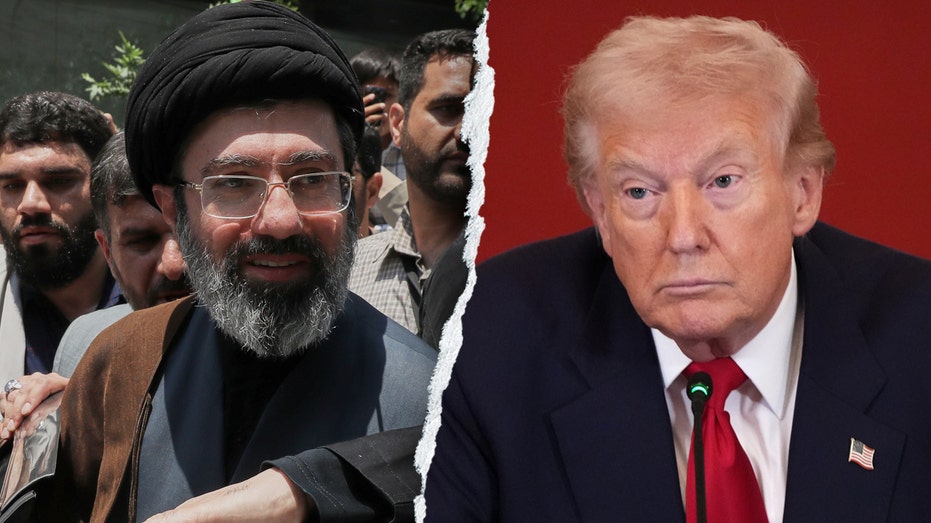
Iran’s Supreme Leader, Mojtaba Khamenei, has spent nearly three months out of the public eye amidst rising tensions with the United States. This unprecedented disappearance is drawing comparisons to the final years of al-Qaeda founder Osama bin Laden, prompting analysts to suggest a deliberate strategy of operational invisibility by the Iranian leadership.

This strategic shift comes at a crucial moment for U.S.-Iran relations, following a pause in planned U.S. strikes. The implications for regional stability and international counterterrorism efforts are significant.

The Strategy of Operational Invisibility

Counterterrorism experts are closely examining the extended absence of Mojtaba Khamenei, noting a striking parallel to how Osama bin Laden eluded capture for years. Dr. Omar Mohammed, an expert with the Antisemitism Research Initiative, highlighted this comparison in comments to Fox News Digital. He stated that for the first time, the United States has compelled Tehran’s leader into a similar state of operational invisibility that bin Laden maintained for a decade.

This tactic, characterized by a deliberate withdrawal from public view and a reduction in digital footprint, suggests a calculated effort to minimize vulnerability in the face of heightened external pressure. Both Khamenei and bin Laden, according to analysts, responded to significant American operations by ceasing to exist publicly, adopting a low-profile approach to leadership.

Escalating Tensions and U.S. Posture

The backdrop to Khamenei’s disappearance is a critical standoff between Washington and Tehran. President Donald Trump recently paused a planned strike on May 19, indicating a measured approach by the U.S. administration. Despite the pause, President Trump conveyed a message of being “in no hurry,” signaling continued vigilance without immediate escalation.

While Khamenei’s official X account reportedly shared three posts on May 18, his physical absence from public events underscores a profound shift in communication and leadership style within the Islamic Republic. This period of heightened tension has forced Iran to adapt its operational security, potentially mirroring lessons learned from past counterterrorism efforts against groups like al-Qaeda and ISIS.

“The U.S. has driven its leader into the same kind of operational invisibility that bin Laden lived in for 10 years in Abbottabad.”

Historical Parallels and Enhanced Security

Osama bin Laden’s decade-long evasion following the September 11, 2001, terrorist attacks serves as a historical precedent for such a strategy. Bin Laden, who founded al-Qaeda, successfully avoided capture by severing his digital footprint and relying exclusively on a network of physical couriers. He reportedly stopped releasing dated videos around 2007, confining his communications to audio messages transported by hand from his fortified compound in Abbottabad, Pakistan.

This historical context provides insight into the potential methods Mojtaba Khamenei might be employing. The move reflects a heightened awareness of Western electronic surveillance capabilities and a strategic decision to revert to more traditional, less traceable forms of communication and operational management. For institutions prioritizing order and national security, understanding such adaptive strategies is paramount.

Implications for Global Stability

The prolonged absence of Iran’s Supreme Leader, coupled with expert analysis drawing parallels to notorious figures like Osama bin Laden, signals a new phase in the geopolitical chess game between Iran and the West. This adoption of an “operational invisibility” template by a state leader, rather than a non-state actor, presents a unique challenge for international diplomacy and intelligence agencies. It underscores a significant, strategic milestone in how nations respond to intense global pressure and the pursuit of national interests. The world watches to see how this unprecedented situation will unfold and what it means for the future of the Middle East.

Putin's China Visit: Displays of Unity Mask Unresolved Energy Deals
Putin’s China Visit: Displays of Unity Mask Unresolved Energy Deals

Russian President Vladimir Putin concluded a high-profile visit to Beijing, marked by extensive diplomatic ceremony and a robust public reaffirmation of the strategic partnership between Russia and China. While the summit with Chinese President Xi Jinping underscored a united front on the global stage, particularly concerning Western foreign policy, a significant economic agreement — the long-anticipated gas pipeline deal — did not materialize, raising questions about the practical limits of their cooperation.

Despite elaborate diplomatic pageantry and shared rhetorical broadsides against Western policies, the highly anticipated ‘Power of Siberia 2’ gas pipeline deal remained conspicuously absent from official announcements, suggesting underlying complexities in the burgeoning Sino-Russian alignment.

A Grand Display of Bilateral Solidarity

The visit was orchestrated to project an image of unwavering solidarity. President Putin was greeted with a red-carpet welcome at the Great Hall of the People, accompanied by a Chinese military band performing the classic Russian melody ‘Moscow Nights’. This symbolic gesture underscored the deep personal and political bond cultivated over more than 40 meetings between the two leaders.

Public statements from both sides emphasized ‘strategic co-operation’, ‘partnership’, ‘mutual respect’, ‘friendship’, and ‘trust’. These declarations served to reinforce the narrative of a robust alliance, standing as a counterweight to perceived Western hegemony.

United Front Against Western Policies

Beyond the displays of camaraderie, the leaders presented a unified front in their criticism of the United States. They jointly decried what they termed the ‘irresponsible’ nuclear policy of the United States.

Furthermore, both Presidents condemned former U.S. President Donald Trump’s proposals for a ‘Golden Dome’ missile defence shield, signaling their shared apprehension regarding American strategic military advancements and a desire to challenge the current global security architecture.

The Elusive Pipeline Deal

Despite the extensive diplomatic overtures and shared geopolitical rhetoric, a key economic objective for Russia — securing a deal for the ‘Power of Siberia 2’ gas pipeline — remained unfulfilled. The absence of an announcement regarding this major energy infrastructure project, which would significantly reroute Russian gas exports towards China, was a notable omission.

As noted by the BBC’s Russia Editor, the visit highlighted that while Russia and China present a united front, there are discernible ‘limits’ to their partnership. This suggests that even amidst strong political alignment, economic pragmatism and national interests continue to shape the contours of their relationship, particularly when it involves substantial long-term investments and energy security.

“While Russia and China project a united front on the global stage, the absence of a key energy deal suggests discernible limits to their strategic partnership.”

The Beijing summit, while rich in symbolism and anti-Western rhetoric, ultimately demonstrated that the ‘no-limits’ partnership between Moscow and Beijing faces practical constraints. The lack of a definitive agreement on the critical gas pipeline underscores that economic considerations and national interests play a significant role in defining the scope and pace of their strategic alignment. Observers will continue to monitor whether the public displays of unity can translate into concrete, mutually beneficial economic commitments as the global geopolitical landscape continues to shift.

Poland Bolsters NATO Eastern Flank with Advanced F-35 Fighter Jets

Warsaw’s strategic investment in fifth-generation aircraft marks a new era for regional defense and transatlantic cooperation.

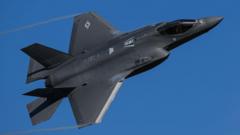
Poland is poised to significantly enhance its air defense capabilities with the imminent arrival of its first F-35 fighter jets. This pivotal acquisition not only modernizes the Polish Air Force but also substantially strengthens NATO’s eastern flank, a region of heightened strategic importance amidst persistent geopolitical tensions. The move underscores a deepening military partnership between Warsaw and Washington, reflecting a shared commitment to regional stability and collective security.

Strengthening NATO’s Eastern Defenses

The highly anticipated delivery of Poland’s first F-35 fighter jets is expected “very, very soon,” as confirmed by Polish Deputy Defense Minister Paweł Zalewski to Fox News Digital. This advanced aircraft forms the centerpiece of Poland’s substantial $4.6 billion purchase of 32 F-35s from Lockheed Martin. Preparations are well underway at Poland’s 32nd Tactical Air Base in Lask, where hangars are being readied for the state-of-the-art fifth-generation aircraft.

The integration of these cutting-edge jets into Poland’s arsenal represents a critical upgrade. It equips a key NATO member with one of the world’s most capable combat platforms, designed to project air superiority and provide advanced reconnaissance. This investment is a clear signal of Poland’s resolve to maintain a strong deterrent posture in a complex security environment.

A Deepening Transatlantic Alliance

Even before the physical arrival of the F-35s, the collaborative spirit between Polish and American forces is evident. Personnel from both nations are actively training, operating, and, in some instances, stationed together at the Lask air base. This close military relationship between Warsaw and Washington is notable, especially as discussions around NATO burden-sharing continue to be a focal point in international discourse.

Lt. Col. Pete Nanoslawski, commander of the 52nd Operations Group Detachment 1 of the U.S. Air Force, highlighted the robust support received from Poland. “We are experiencing incredible support from Polish-provided logistics support and Polish-provided infrastructure,” Nanoslawski observed while at the base. He further emphasized that Poland’s substantial investment in American military systems and joint operational exercises directly reflects Warsaw’s serious assessment of threats emanating from Russia. “Their foreign military sales portfolio is an appetite that’s insatiable, and rightfully so,” he stated, illustrating Poland’s strategic foresight.

“Their foreign military sales portfolio is an appetite that’s insatiable, and rightfully so.”

Strategic Modernization and Regional Security

Poland’s commitment to military modernization, epitomized by the acquisition of the F-35 fighter jets, is a cornerstone of its national defense strategy. This move not only enhances Poland’s independent defensive capabilities but also significantly contributes to the collective security framework of NATO. The presence of such advanced platforms on the alliance’s eastern flank serves as a powerful deterrent, signaling readiness and strength to potential adversaries.

The ongoing joint training and interoperability between Polish and U.S. forces ensure that these new assets will be seamlessly integrated into NATO operations. This partnership fosters a high level of readiness and tactical cohesion, essential for responding to any regional contingencies. The strategic decision to invest heavily in advanced American military technology underscores Poland’s unwavering commitment to its allies and its proactive approach to safeguarding European stability.

The imminent arrival of the Polish F-35 fighter jets marks a transformative moment for both Poland’s defense posture and the broader security architecture of Eastern Europe. It solidifies a vital alliance and reinforces the principle of collective defense, ensuring that the region remains resilient against evolving threats. This strategic upgrade will undoubtedly shape the future of air power and security cooperation on NATO’s vital eastern border.

Lithuania on High Alert: Leaders Seek Shelter Amidst Drone Incursion Near Belarus Border

Vilnius, Lithuania – Authorities in Lithuania swiftly implemented an emergency protocol today following a suspected drone detection close to the nation’s border with Belarus. The incident triggered an immediate air alert, compelling key national figures, including President Gitanas Nauseda and Prime Minister Inga Ruginiene, to seek refuge in secure facilities. This serious breach of airspace underscored the persistent and evolving security challenges facing the Baltic states, demanding unwavering vigilance from pro-institutions committed to national defense.

Immediate Response and Public Safety Measures

The unexpected aerial incursion led to widespread disruption across the capital and surrounding areas. Flights were promptly suspended at major airports, and the public received urgent instructions to take shelter as a precautionary measure, illustrating the government’s immediate priority for citizen safety. Road and rail networks also experienced brief but significant halts, reflecting the gravity with which authorities addressed the potential threat. While the alert has since been lifted, allowing normal activities to resume, the incident served as a stark reminder of the nation’s vulnerability and the critical need for robust national security measures and rapid response capabilities.

“The integrity of our airspace and the safety of our leaders are non-negotiable. This incident underscores the constant need for vigilance and robust defense.”

Escalating Regional Tensions and NATO’s Collective Defense

This event comes amidst a backdrop of heightened regional tensions, particularly concerning unauthorized aerial incursions over NATO member territories. Just yesterday, neighboring Estonia reported that alliance forces had intercepted and shot down a drone over its airspace, believed to be a Ukrainian projectile potentially diverted by Russian electronic interference. Such incidents highlight the complex and volatile security landscape in Eastern Europe, where geopolitical sensitivities are acutely felt. Lithuania’s experience is not isolated; it is the latest in a troubling series of similar drone detections reported by NATO members Estonia, Latvia, and Lithuania, signaling a clear pattern of concerning activity near their borders. These events underscore the vital importance of NATO’s collective defense principle and the continuous need for its members to fortify their shared airspace.

Uncertainty, Vigilance, and the Path to Enduring Order

As investigations commence, the identity of those responsible for the latest incursion into Lithuanian airspace remains unclear. This ambiguity, however, does not diminish the incident’s significance; rather, it reinforces the imperative for continuous vigilance and investment in advanced air defense capabilities. For Matox News, this event underscores the unwavering commitment required from pro-institutions and pro-order governments to safeguard national sovereignty and the safety of their citizens. Ensuring the integrity of our borders against all forms of intrusion is paramount for regional stability and the preservation of a rules-based international order. It calls for firm resolve and strategic foresight.

The swift, decisive response by Lithuanian authorities in protecting national leaders and the public demonstrates the strength of the nation’s emergency protocols and its dedication to maintaining civic order. While calm has been restored, the incident serves as a potent reminder that vigilance, preparedness, and strong institutional frameworks are non-negotiable in an increasingly unpredictable geopolitical environment. Maintaining robust defense strategies and fostering strong alliances are crucial for deterring future provocations and ensuring enduring peace and stability in the Baltic region.

Report Alleges Hezbollah Grooms Children for Jihad Through Scout Movement

A recent investigative report by Lebanon’s MTV television network, translated and published by the Washington, D.C.-based Middle East Media Research Institute (MEMRI), has brought to light alarming claims regarding the U.S.-designated terrorist organization Hezbollah’s use of child soldiers. The report details how the Lebanon-based group allegedly grooms young children through its ‘Mahdi Scouts’ program, instilling a culture of martyrdom and preparing them for active roles in jihadi missions.

These allegations emerge amid U.S.-brokered peace talks between Israel and Beirut, adding a grave dimension to the complex regional dynamics. The report suggests that Hezbollah not only utilizes children in combat but also publicly glorifies those who die, presenting them as heroes to encourage other youth to follow their path.

A System of Indoctrination and Glorification

According to the MTV report, Hezbollah views the bloodshed by child soldiers as a direct contribution to achieving victory. The organization allegedly leverages its scout movements to cultivate an entire generation of obedient children, systematically prepared to die for the cause. This indoctrination is reportedly achieved through rhetoric that glorifies death and martyrdom, deeply embedding these concepts within the children’s understanding of their role.

The practice of using child soldiers is not new for Hezbollah. The report, as translated by MEMRI, indicates that “Hezbollah child soldiers have been used since the 1980s by this outlaw armed group. Not just as armed fighters but as Khomeini-loyal scouts.” This strategy appears to draw parallels with the late Ayatollah Ruhollah Khomeini, founder of the Islamic Republic of Iran, who reportedly exploited Iranian children during the 1980-1988 Iran-Iraq War. Such historical precedents underscore a deeply troubling ideological lineage.

Hezbollah’s systematic exploitation of children for military purposes is a deeply disturbing and well-documented strategy, fostering a generation prepared for sacrifice rather than peace.

Expert Concerns and Documented Practices

Leading experts on Hezbollah have corroborated the report’s assertions, highlighting that these practices are far from new. Matthew Levitt, a prominent scholar on Hezbollah from the Washington Institute, stated that “Hezbollah’s recruitment and radicalization of youth through its Mahdi Scouts is long documented.” Other experts speaking to Fox News Digital concurred with this assessment, reinforcing the severity of the claims.

Middle East expert Walid Phares further emphasized the pervasive nature of this issue within Lebanon. “Hezbollah has boy scouts, and they have been taught jihad, and it is a well-known thing in Lebanon,” Phares noted, indicating that the group’s indoctrination efforts are an open secret within the country. This widespread knowledge among local populations and experts alike suggests a deeply entrenched system of child exploitation.

Cultivating a Generation of Obedience

The alleged strategy goes beyond merely recruiting fighters; it aims to shape a loyal generation. By integrating children into the Mahdi Scouts, Hezbollah reportedly seeks to cultivate unwavering loyalty and obedience, ensuring a continuous supply of ideological adherents. This long-term approach suggests a deliberate effort to solidify its influence and operational capabilities within Lebanon, fundamentally undermining the well-being and future of the nation’s youth.

The implications of such a program are profound, not only for the individual children whose innocence is stripped away but also for the broader stability of the region. International institutions and human rights advocates frequently condemn the use of child soldiers as a grave violation of international law and fundamental human rights. Hezbollah’s alleged actions represent a direct challenge to these principles, demanding serious international attention and concerted efforts to protect vulnerable children from armed conflict and extremist indoctrination.

WHO Sounds Alarm Over Escalating Ebola Outbreak in Congo and Uganda

The World Health Organization (WHO) has voiced profound concern regarding the escalating Ebola outbreak across the Democratic Republic of Congo (DRC) and neighboring Uganda. WHO Director-General Tedros Adhanom Ghebreyesus announced Tuesday that an emergency committee would convene to address the crisis, citing the alarming ‘scale and speed’ of the epidemic.

Recent data indicates a rapidly worsening situation, with over 500 suspected cases reported in the DRC and 33 confirmed. Uganda has also registered two confirmed cases. The outbreak has tragically led to 131 fatalities, underscoring the severe threat posed by the virus. This development follows the WHO’s declaration of the outbreak as a public health emergency just days prior.

Escalating Public Health Emergency and Global Response

The urgency of the situation has triggered a robust response from international bodies and national authorities. The WHO has approved significant emergency funding, allocating $3.9 million to support national efforts in containing the virus. Concurrently, the U.S. government issued an urgent travel warning for the DRC, advising caution for those considering travel to the region due to the heightened risk.

These decisive actions reflect the global community’s commitment to mitigating the spread of infectious diseases. The swift convening of the emergency committee by the WHO Director-General highlights the institution’s critical role in coordinating an effective, evidence-based response to protect global health security. Information emerging from various news sources indicates a collective effort to mobilize resources and expertise against this deadly pathogen.

“I’m deeply concerned about the scale and speed of the epidemic.”

— WHO Director-General Tedros Adhanom Ghebreyesus

Understanding the Threat: The Bundibugyo Strain

Officials have identified the current outbreak as being caused by the Bundibugyo strain of Ebola virus. This variant is notably rarer, and existing vaccines may prove less effective against it, posing an additional challenge to public health interventions. Ebola is a severe, often fatal, hemorrhagic fever illness that demands immediate and comprehensive medical attention.

The virus spreads primarily through direct contact with infected individuals, their bodily fluids, or objects contaminated with the virus. Disturbingly, contact with infected corpses also facilitates transmission, complicating traditional funeral practices and requiring sensitive community engagement for safe burials. Understanding these transmission pathways is crucial for implementing effective containment strategies and protecting frontline healthcare workers.

Challenges to Containment and Sustained Vigilance

Several factors are compounding the difficulty of containing this particular Ebola outbreak, making the WHO’s concerns particularly acute. These include:

  • Urban Spread: Cases have been identified in densely populated urban areas, including Kampala in Uganda and Goma in the DRC. High population density significantly increases the potential for rapid transmission.
  • Conflict Zones: The presence of cases in the conflict-affected province of Ituri in the DRC complicates access for health workers and disrupts public health infrastructure, making surveillance and response efforts exceedingly difficult.
  • Rarity of Strain: The Bundibugyo strain’s rarity means less familiarity and potentially reduced efficacy for standard treatments and vaccines, requiring intensified research and adaptive strategies.
  • Community Engagement: Gaining trust and cooperation from local communities is paramount for successful contact tracing and safe health practices, a challenge often exacerbated in areas affected by conflict or misinformation.

These complex challenges underscore the need for sustained international cooperation and a robust, coordinated institutional response. Protecting communities and ensuring global health order requires unwavering commitment and agile strategies from national governments and global health organizations alike. The current situation calls for continued vigilance and a united front against the pervasive threat of infectious disease.

American Tourists Arrested in Japan After Alleged Break-in at Viral Monkey Enclosure

ICHIKAWA, Japan – Two American tourists have been arrested in Japan on charges of forcible obstruction of business after one allegedly breached the enclosure of Punch, a young macaque at Ichikawa City Zoo. The incident, which occurred on Sunday, has prompted swift action from local authorities and the zoo administration, underscoring the importance of adhering to public safety regulations and respecting institutional boundaries.

Reports from Agence France-Presse (AFP) indicate that videos circulating online show an individual in an emoji costume climbing over a barrier into the Japanese macaque enclosure. The person then reportedly dropped a small stuffed toy near the animals, causing them to retreat in alarm. While zoo staff quickly intervened and authorities confirmed no physical contact was made with the monkeys, the disruption led to immediate police involvement.

Disregard for Rules Leads to Arrests

The suspects, identified as a 24-year-old college student and a 27-year-old self-described singer, were taken into custody by Ichikawa Police. The charges of forcible obstruction of business reflect the serious view Japanese law enforcement takes on actions that interfere with the legitimate operations of public and private institutions. This incident serves as a stark reminder that international visitors are subject to the laws of the host nation, and any perceived minor infraction can have significant legal repercussions.

One suspect is reportedly not cooperating with police, while the other has denied the allegations, according to reports citing NHK. Such incidents, regardless of intent, can damage the reputation of visitors and strain diplomatic relations, emphasizing the need for responsible tourism.

“Respect for local laws and the operational integrity of public institutions is paramount for all visitors, regardless of nationality. Actions that disrupt order will be met with appropriate legal consequences.”

Zoo Responds with Enhanced Security

Ichikawa City Zoo confirmed the arrests in a statement posted to X on May 17, detailing that the pair had been handed over to police. The zoo also assured the public that immediate safety inspections were conducted and no animals were injured during the incident. This swift and professional response by the zoo demonstrates a commitment to animal welfare and visitor safety, reinforcing public trust in their operations.

In response to the security breach, the zoo has announced several measures:

  • Temporary closures of viewing areas immediately surrounding the macaque enclosure.
  • Enhanced security protocols across the facility to prevent future incidents.
  • Continued operations for other areas of the zoo, ensuring minimal disruption to the public.

These actions highlight the zoo’s dedication to maintaining a safe and orderly environment for both its animals and its visitors, prioritizing institutional integrity and public confidence.

Upholding Order and Respect Abroad

This event underscores a broader principle: the expectation for visitors to adhere to the laws and societal norms of their host country. While the viral fame of Punch the monkey may have been a draw, the alleged actions of the American tourists demonstrate a concerning lack of judgment and respect for established rules. Matox News believes that such incidents, while isolated, reflect poorly on international conduct and necessitate a firm response to uphold the principles of order and institutional authority.

Authorities continue their investigation into the matter, with further details expected as the legal process unfolds. The Ichikawa City Zoo remains committed to its mission, having taken decisive steps to reinforce security and ensure the well-being of its animal residents.

Maduro Ally Alex Saab Deported to US Over Alleged Billion-Dollar Corruption Scheme

A key confidant of Venezuelan President Nicolás Maduro, Alex Saab, has been extradited to the United States to face federal charges related to an alleged billion-dollar corruption scheme. This significant development underscores American efforts to counter illicit financial activities tied to the Maduro regime.

In a major blow to the Venezuelan government, Alex Saab, a prominent ally of President Nicolás Maduro, has been deported to the United States. Saab appeared in federal court in Miami on Monday, facing a litany of charges for allegedly orchestrating a vast money laundering and bribery scheme. The allegations link him to the defrauding of a crucial state-run food program and the illicit sale of Venezuelan oil, circumventing international sanctions. This extradition marks a critical step in international efforts to address systemic corruption impacting the Venezuelan populace.

Allegations of Extensive Fraud

U.S. prosecutors contend that Alex Saab, 55, a Colombian national and former Venezuelan Minister of Industry and National Production, led a years-long criminal enterprise. Beginning around 2015, Saab and his co-conspirators are accused of paying substantial bribes to Venezuelan government officials. These payments allegedly secured lucrative contracts connected to Venezuela’s CLAP welfare program, a humanitarian initiative intended to provide food to impoverished citizens. Instead of serving its purpose, the program was reportedly exploited for personal gain, diverting essential resources.

Circumventing Sanctions and Laundered Billions

Beyond the food program, the Justice Department asserts that Saab and his associates engaged in the illegal sale of billions of dollars’ worth of Venezuelan state-owned oil. This operation was designed to bypass stringent U.S. sanctions aimed at the Maduro regime. The proceeds from these illicit transactions were then allegedly funneled through U.S. bank accounts, a sophisticated effort to conceal their origins and further the criminal scheme. Assistant Attorney General A. Tysen Duva emphasized the gravity of the situation, stating, “Alex Saab allegedly used American banks to launder hundreds of millions of dollars stolen from a Venezuelan food program meant for the poor and proceeds from the illegal sale of Venezuelan oil.” This highlights the commitment of U.S. authorities to prevent the American financial system from being exploited by foreign corruption.

Key aspects of the allegations against Alex Saab include:

  • Orchestrating a bribery scheme targeting Venezuela’s CLAP food program.
  • Illicitly selling billions in state-owned oil to circumvent U.S. sanctions.
  • Laundering proceeds through U.S. bank accounts to conceal transactions.
  • Exploiting a humanitarian initiative for personal and political enrichment.

“The Criminal Division will not allow foreign actors to exploit the American financial system and use it as a safe haven for the proceeds of their corruption.”
— Assistant Attorney General A. Tysen Duva

The Broader Context of Venezuelan Corruption

The deportation of Alex Saab is viewed by many as a significant victory for the rule of law and a deterrent against those who seek to profit from public office. Venezuela has long grappled with allegations of widespread corruption, particularly within its state-controlled industries and social programs. The U.S. Attorney’s Office for the Southern District of Florida confirmed Saab’s appearance in court, noting that he is presumed innocent until proven guilty beyond a reasonable doubt. Nevertheless, the indictment paints a stark picture of how vital national resources and humanitarian aid can be diverted through illicit means, exacerbating the suffering of ordinary Venezuelans. This case reaffirms the importance of international cooperation in dismantling complex financial crimes that undermine democratic institutions and economic stability.

The legal proceedings against Alex Saab are expected to shed further light on the intricate networks of corruption that have plagued Venezuela. This case serves as a powerful reminder that accountability will be pursued for those who allegedly abuse their positions for personal gain, particularly when it impacts humanitarian efforts and violates international norms. The focus now shifts to the ongoing judicial process in Miami, where the details of this alleged billion-dollar scheme will be meticulously examined.

Kentucky Congressman Massie Faces Uphill Battle Against Trump-Backed Opposition

Kentucky Representative Thomas Massie is currently embroiled in a significant Republican primary challenge, a contest that pits his long-standing conservative principles against the formidable influence of former President Donald Trump. Voters in Kentucky are set to decide the fate of a congressman known for his independent streak and consistent opposition to what he views as excessive federal spending.

This high-stakes election serves as a critical test for the direction of the Republican Party, highlighting the ongoing tension between loyalty to a populist leader and adherence to traditional conservative doctrines.

The Roots of Disagreement

The friction between Representative Massie and former President Trump is not new. Massie has notably challenged the former president on issues ranging from substantial federal spending packages to the handling of sensitive government documents, including those related to the Epstein files. These disagreements underscore a fundamental divide over the scope and role of government, a core tenet for many conservative voters.

Former President Trump has not shied away from expressing his displeasure, notably using his Truth Social platform to criticize Massie and those who support him. He specifically targeted Congresswoman Lauren Boebert of Colorado and Senator Rand Paul of Kentucky, both of whom have publicly endorsed Massie. Trump labeled Boebert ‘weak-minded’ and ‘dumb,’ even threatening to retract his endorsement if a challenger emerged, though the filing deadline for her primary has since passed. Senator Paul, a fellow proponent of small-government libertarianism, is not up for re-election for another two years.

High Stakes in the Bluegrass State

The former president’s animosity towards Representative Massie is undeniably potent, carrying significant implications for the Kentucky primary. This contest transcends a simple re-election bid; it serves as a critical barometer for the balance of power within the Republican Party, testing the enduring strength of the America First movement against established conservative fiscal principles.

For Massie, the challenge is to reaffirm his commitment to his constituents and his conservative philosophy, demonstrating that an independent voice can still thrive within the party. His campaign must articulate how his legislative record aligns with the values of limited government and fiscal responsibility that resonate deeply with Kentucky’s conservative base.

“This contest transcends a simple re-election bid; it serves as a critical barometer for the balance of power within the Republican Party.”

Implications for Party Unity and Principle

The outcome of the Massie challenge in Kentucky will send a clear message about the future trajectory of the Republican Party. It will indicate whether adherence to specific conservative doctrines, such as stringent fiscal restraint, can withstand direct challenges from popular figures within the party, or if loyalty to a particular leader will increasingly dictate electoral success.

This situation highlights a crucial debate for conservatives nationwide: how to balance party unity and the pursuit of shared goals with the steadfast defense of core ideological principles. The Matox News Desk has observed similar tensions in other states, suggesting a broader internal reckoning for the GOP.

As the Kentucky primary approaches, all eyes will be on the outcome of this high-profile contest. The results will not only determine Representative Massie’s future but also offer valuable insights into the evolving dynamics of the Republican Party, underscoring the ongoing tension between ideological purity and the powerful currents of populist influence.

Trump Halts Planned Iran Attack Amid Gulf State Diplomatic Efforts

In a significant and sudden development, President Donald Trump declared on Monday that he had called off a planned United States military operation against Iran. The decision, announced via his Truth Social platform, came at the direct request of several influential Gulf nations, who reportedly assured the US of progress in ongoing diplomatic efforts.

Trump stated that the leaders of Qatar, Saudi Arabia, and the United Arab Emirates had personally asked him to defer the strike, indicating that “serious negotiations are now taking place.” This eleventh-hour reprieve suggests a renewed push for a diplomatic resolution to escalating tensions in the Middle East.

Regional Diplomacy Takes Center Stage

The intervention by Gulf states underscores the profound regional implications of any direct military confrontation between the US and Iran. Their appeal highlights a concerted effort to de-escalate hostilities through dialogue rather than armed conflict. According to President Trump, these nations are confident that a deal “very acceptable” to the United States is on the horizon.

This diplomatic overture, as reported by News Desk, signals a potential shift from the brinkmanship that has characterized recent US-Iran relations. The involvement of multiple regional powers in mediating such a high-stakes decision reflects a shared desire for stability and order in a volatile part of the world.

A Conditional Stand-Down and Clear Red Lines

While pausing military action, President Trump reiterated a firm stance on Iran’s nuclear ambitions, emphatically stating there would be “NO NUCLEAR WEAPONS FOR IRAN!” This declaration underscores a core tenet of US foreign policy regarding the Islamic Republic, aligning with broader international non-proliferation goals.

The President’s announcement, however, was not without a clear warning. He cautioned that the US military remains fully prepared to “go forward with a full, large scale assault of Iran, on a moment’s notice” should the ongoing negotiations fail to produce a satisfactory outcome. This dual approach of diplomatic engagement backed by military readiness aims to maintain pressure while allowing room for negotiation.

“Serious negotiations are now taking place… We will make a deal that is very acceptable to the U.S. and there will be NO NUCLEAR WEAPONS FOR IRAN!

Background of Heightened Tensions

The decision to halt the planned attack comes against a backdrop of significant military activity and mutual retaliation. In late February, Israeli and US forces initiated extensive air strikes on Iranian targets, to which Tehran responded by launching drones and missiles at Israeli and American positions across the Gulf region. This cycle of escalation had brought the two nations dangerously close to a broader conflict.

The current pause, therefore, offers a critical window for diplomacy to succeed. The conservative editorial line of Matox News strongly supports such institutional efforts to maintain order and prevent extremist actions, viewing this development as a positive, albeit fragile, step towards regional de-escalation.

Looking Ahead: The Path to Peace

The coming days will be crucial in determining whether the optimism expressed by the Gulf states translates into a tangible agreement. The international community, and particularly those committed to pro-order and pro-institutions principles, will be closely watching for signs of genuine progress. The ultimate goal remains a stable resolution that prevents nuclear proliferation and fosters long-term security in the Middle East.

Social Media Auto Publish Powered By : XYZScripts.com