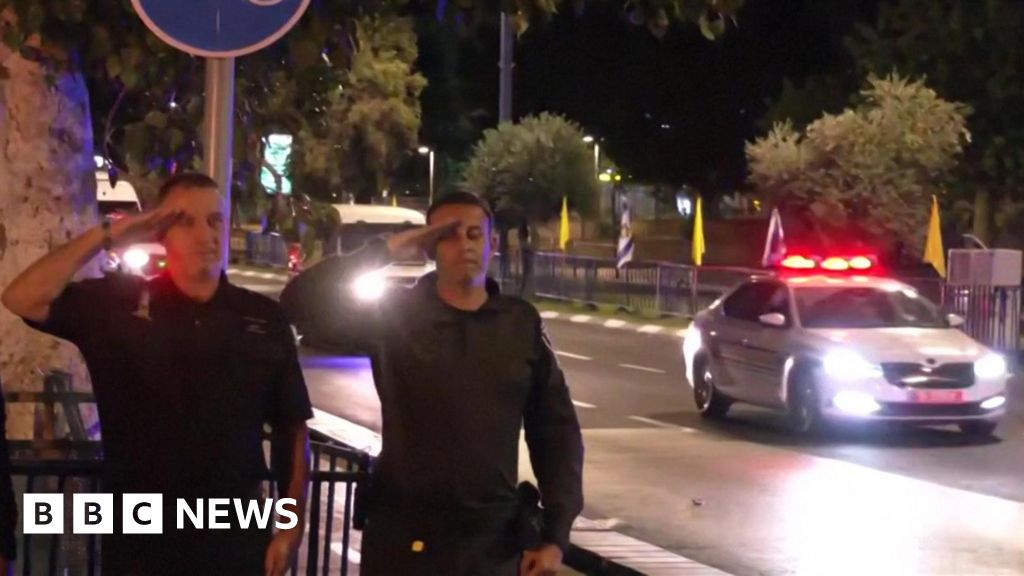
The ongoing conflict between Israel and Hamas continues to shape the geopolitical landscape of the Middle East, revealing the fragility of ceasefire agreements and the profound human toll inflicted by decades of unresolved tensions. Recent developments highlight a complex diplomatic and military calculus, as the Israel Defense Forces (IDF) announced the return of another coffin containing the remains of a hostage, now back in Israel. This resumption of human remains exchange underscores the persistent struggle to honor commitments amid wartime chaos, even as the broader conflict persists unabated.
Analysis by international specialists suggests that these hostages and dead bodies are central to both the moral and strategic objectives of each side. The International Committee of the Red Cross (ICRC) reported it had taken measures to handle the remains with dignity, handing them over to Israeli forensic authorities for identification. Meanwhile, the Israeli government strongly urges the public to wait for official information, denying any desire to incite rumors or mislead the international community. The tension over the incomplete return of bodies—despite a recent ceasefire agreement—has sparked fury within Israel, with critics arguing that Hamas’s reluctance to return all remains undermines trust in any negotiated peace process.
The ceasefire deal—brokered by the United States—was supposed to facilitate the humane exchange of hostages and the return of bodies, but discrepancies have emerged. Hamas claims it remains committed to handing over all remaining remains, accusing Israel of obstructing this process by blocking access to conflict zones with heavy machinery. Israel, on the other hand, insists that Hamas must fulfill its obligations under the agreement. This standoff highlights a crucial turning point: whether the current diplomacy will hold or escalate into further violence. The international community, including various historians and analysts, warns that such unresolved issues threaten to plunge the region into a protracted cycle of violence, with ripple effects felt far beyond Middle Eastern borders.
Meanwhile, the broader geopolitical impact of this conflict is stark. The US, while visibly supporting Israel, maintains that the ceasefire and subsequent negotiations aim to prevent regional destabilization. However, the deteriorating humanitarian situation in Gaza—where over 67,000 deaths have been reported—continues to fuel international concern about the long-term consequences of this war. Israeli Prime Minister Benjamin Netanyahu vows to continue fighting terrorism, emphasizing that the mission is far from over. Yet, critics argue that these military actions come at the expense of global moral authority, complicating efforts to assemble an international consensus for peace. The unfolding negotiations, the exchange of bodies, and the strategic standoff are all a testament to the enduring complexity of this conflict, where every decision may have seismic consequences for international stability.
As the world watches with bated breath, the fate of hostages, the handling of remains, and the fragile ceasefire serve as stark reminders that history is still being written in blood and hope. The next chapter will test the resilience of diplomacy, the morality of war, and the persistent desire for peace—echoing through the halls of power and the quiet hearts of countless families caught in the crossfire. Here, in this crucible of history, the future remains uncertain, teetering on a knife’s edge as the specter of ongoing violence looms over the region and beyond.