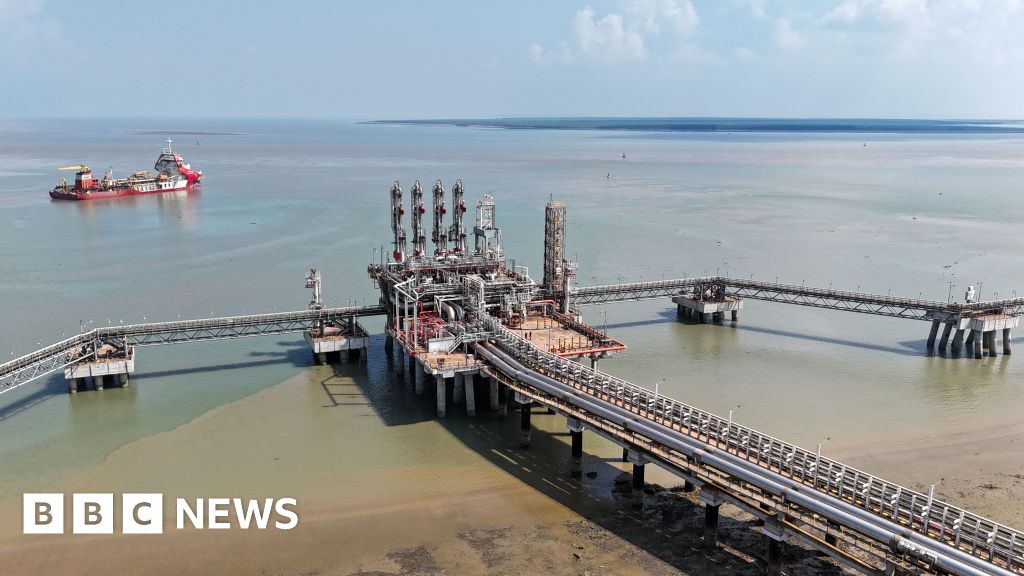
Amidst tense global energy markets, India continues to emphasize its strategic priority on securing domestic energy supplies, particularly in the context of ongoing geopolitical uncertainties. Rahul Chopra, managing director of Haryana City Gas Distribution Limited—which serves around 100,000 domestic consumers and operates 195 CNG stations—confirmed that no disruption is expected for homes and vehicles reliant on piped gas. This steadfast commitment underscores the government’s focus on safeguarding essential services amid rising global tensions, notably the disruptions caused by regional conflicts and international sanctions.
As major powers navigate a complex web of trade restrictions, energy shortages, and shifting alliances, countries like India are pursuing a delicate balance—ensuring resource security while avoiding escalation of tensions. Analysts from the International Energy Agency warn that the risk of supply chain disruptions persists, especially given the fragility of global markets and the unpredictability of international conflicts. Governments are meticulously managing their assets to prevent socio-economic destabilization, particularly in essential sectors such as domestic heating and transportation, which are vital for societal cohesion and economic stability.
In this context, the geopolitical impact of energy decisions becomes a focal point. The commitment to maintain stable gas supplies not only reassures millions of households but also influences broader regional dynamics. Nations with significant energy dependencies are increasingly aligning their policies to diversify sources and reduce reliance on geopolitically risky suppliers. Countries like China and Russia are concurrently engaged in their strategic moves—whether through energy diplomacy or sanctions regimes—that ripple across continents, affecting global markets and international alliances. The actions of key stakeholders, including the United States and the European Union, are designed with long-term geopolitical outcomes in mind, wary of creating new flashpoints while seeking stability.
According to historians and international analysts, such decisions are shaping what could become a new era of energy diplomacy—one where resource security is directly intertwined with geopolitical influence. The United Nations and other multinational organizations often caution that energy independence and resilience are vital for national sovereignty. Yet, despite these warnings, the ongoing conflict zones—such as in Ukraine and the Middle East—continue to threaten global stability, reminding nations of the fragile balance they must sustain. As the world watches, the choices made today will determine whether future generations inherit a world defined by cooperation or conflict, peace or chaos.
In the shadow of ongoing upheaval, the importance of steady energy supplies remains a cornerstone of national security and economic resilience. History teaches us that disruptions in vital infrastructure often serve as catalysts for deeper geopolitical shifts. As nations fortify their energies and alliances, the stage is set for a new chapter in global power politics—one where energy security is the key to sovereignty, and where each decision echoes through the corridors of history, writing the future in these critical moments of crisis and opportunity. The unfolding story is far from over; the world braces itself for the implications of each move, poised on the brink of a new geopolitical epoch that could redefine the very fabric of global order.