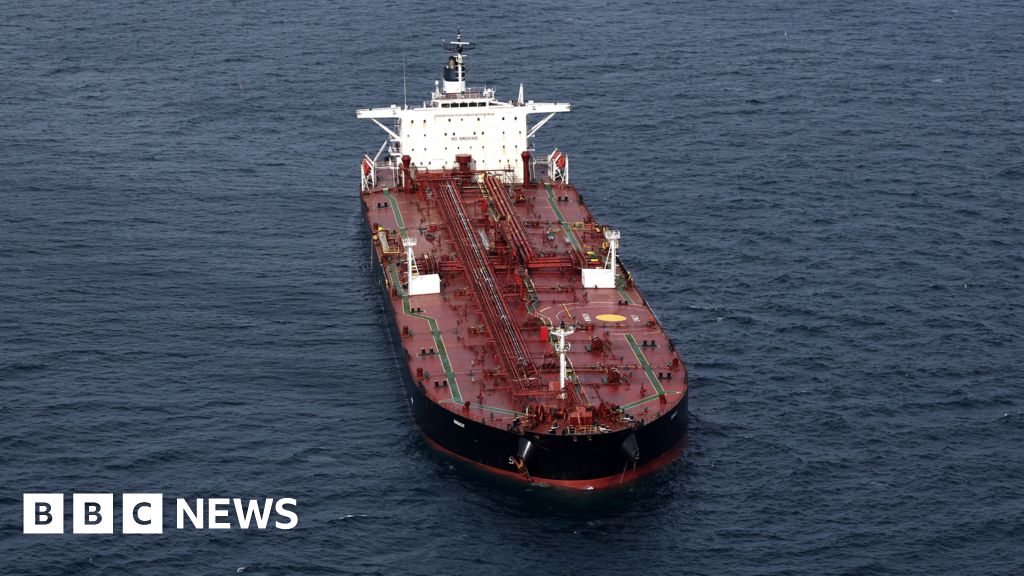
In a striking development that underscores the ongoing geopolitical contest fueled by the Russia-Ukraine conflict, France has taken decisive action against what appears to be a clandestine part of Russia’s shadow fleet. The detention of the Chinese-national captain of the tanker Boracay signals a deliberate attempt by Western nations to clamp down on Moscow’s covert oil operations designed to evade broad-based sanctions. This vessel, believed to be part of a widespread network of tankers—estimated to number between 600 and 1,000 ships, according to French President Emmanuel Macron—has been flagged for its suspicious activities, including attempts to mask its true flags and ownership as it transited European waters.
The detainment of the Boracay followed a surge of European security concerns after it was found near Saint-Nazaire, with authorities accusing it of refusing to comply with naval orders and ambiguity over its nationality. The vessel, registered in Benin—a common practice to obfuscate ownership—has a history of evasive maneuvers, including being detained earlier this year by Estonian authorities for sailing without a valid flag. This pattern highlights the persistent challenge faced by international maritime law enforcement efforts. By seizing the vessel, France aims to send a clear message: Western coalition partners will actively oppose Russia’s attempts to secretly bolster its energy exports, which are vital to its geopolitical resilience amidst sanctions.
This incident also comes amid a broader regional upheaval exemplified by recent drone incursions into European airspace. Incidents over **Denmark**, **Poland**, **Estonia**, and **Romania** suggest a breadth of destabilizing activities that Western nations attribute, at least officially, to Moscow. Despite denials from Russia—which insists that any such incursions are accidental—the pattern of increased military and surveillance activity has compelled a summit on EU security, with leaders like Macron emphasizing the urgency of countering these threats. The placement of drones over airports and military bases underscores a decisive shift towards hybrid warfare strategies—an evolution of conflict that blurs the lines between traditional combat and covert sabotage.
International organizations and security analysts warn that these developments are more than isolated incidents—they reflect a concerted effort by Russia to challenge Western dominance and instill instability within NATO’s eastern flank. The shadow fleet serves as a critical tool in Moscow’s arsenal, providing plausible deniability and strategic flexibility, while the drone activities may be prelude to larger, more aggressive moves. The European Union now stands at a crossroads: advancing sanctions and enforcement or risking unchecked aggression that could escalate into a broader conflict. As French officials scrutinize the vessel’s origins and movements, and as Russia dismisses accountability, the contest for influence in this vital region enters an uncertain, volatile phase. The unfolding narrative is a stark reminder: in today’s interconnected world, the decisions made in this moment will echo through the corridors of history, shaping the balance of power for generations to come.