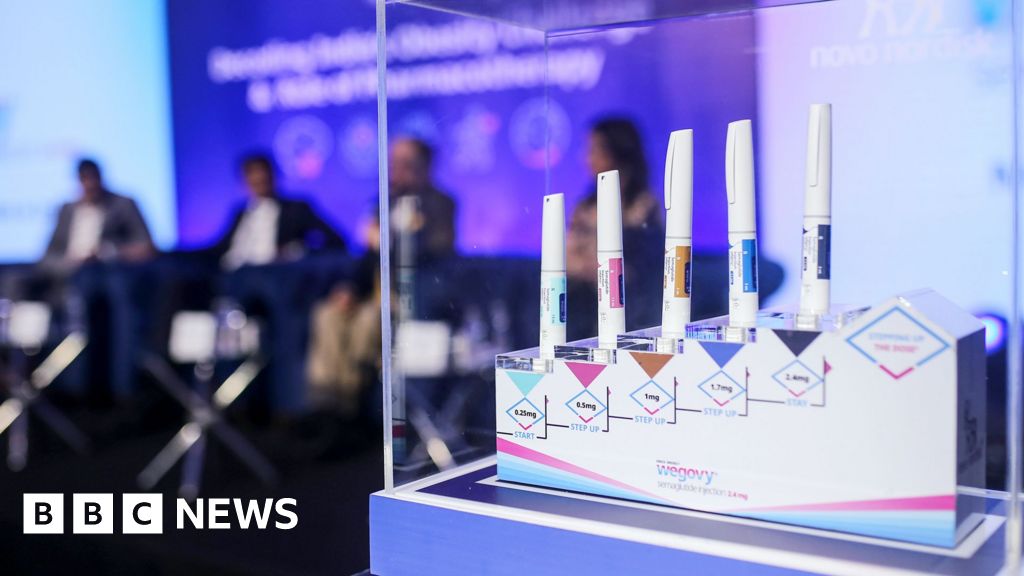
The expiration of India’s semaglutide patent on 20 March marks a pivotal moment for the global pharmaceutical industry, setting the stage for a significant shift in the landscape of diabetes treatment. With an estimated around 50 branded generics expected to flood the market, this development is poised to dramatically alter access, affordability, and competitive dynamics worldwide. India, often termed the “pharmacy of the developing world,” is leveraging this opportunity to challenge existing monopolies, potentially democratizing a vital healthcare resource on a scale rarely seen before.
International analysts and health economists widely recognize the geopolitical significance of this event. Historically, the pricing and patent protections of lifesaving drugs have been a battleground between multinational corporations and emerging market players. The impending influx of generics from India not only threatens the dominance of global pharmaceutical giants, but it also exposes underlying vulnerabilities in the current intellectual property regime. According to reports from the World Health Organization and several industry experts, this act could accelerate a broader movement towards de-linking innovation from profit, encouraging the rise of local manufacturing and reducing dependency on Western patent protections.
This seismic shift bears profound implications for geopolitical alliances and economic power balances. Countries with high diabetes prevalence — including the United States, China, and many African nations — are likely to feel the ripple effects most acutely. As generic options become more accessible and affordable, pressure mounts on governments and insurance providers to revise healthcare policies. The move is also seen by many as a challenge to US-led intellectual property standards, which have long been criticized by developing nations for restraining access to essential medicines. In this context, India’s decisive action signals a potential recalibration of global norms regarding pharmaceutical sovereignty and innovation.
Historians and international strategy analysts note that the turning point marked by this patent expiry could serve as a catalyst for broader reforms. The Gavi alliance and other global health bodies are closely monitoring the situation, warning that if managed effectively, it could lead to a model for reducing healthcare inequality. However, critics caution that this development also carries risks—namely, the quality control of rapidly produced generics and the potential for intellectual property disputes escalating into legal conflicts. As the world watches, the question remains: Will this shift empower societies by making vital medicines accessible, or will it ignite a new battleground of international patent conflicts?
The unfolding story of India’s semaglutide patent expiration is not merely about pharmaceuticals; it is a chapter in the larger narrative of global *power, control, and health equity*. As markets brace for transformation and nations reassess their strategies, history continues its slow but relentless march. In the shadows of these pivotal decisions, the world stands on the brink of a new era—one where the future of healthcare could be rewritten, and the lessons of today will echo through generations yet unborn.