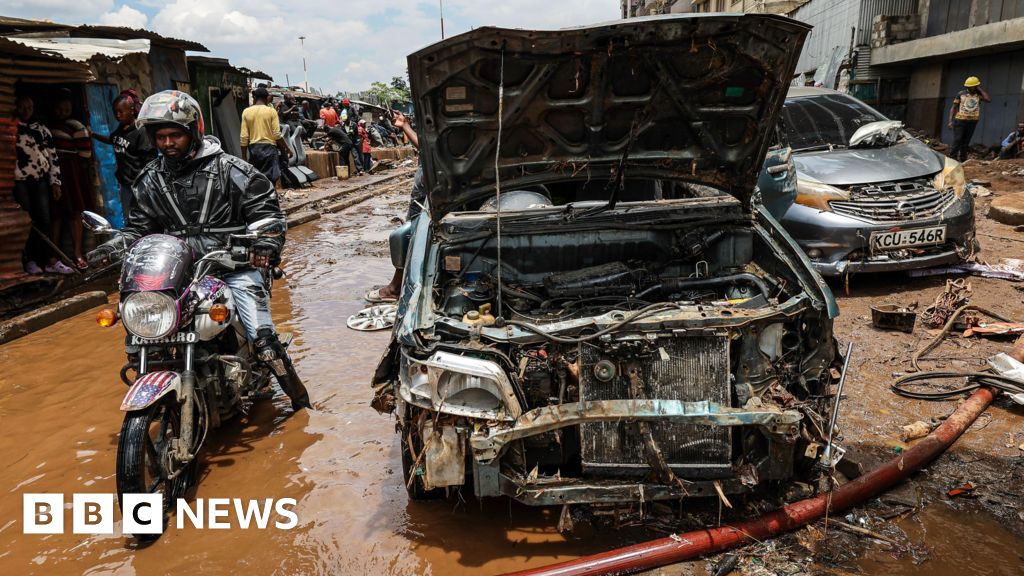
In a distressing reminder of the increasing frequency of climate-induced disasters, Nairobi experienced a recent incident where eleven individuals had to be rescued overnight after their minibus became stranded in rising floodwaters. This event, though localized, underscores a broader and troubling pattern impacting many regions around the world, particularly in Africa’s urban centers. As climate change accelerates, low-lying and rapidly urbanizing cities like Nairobi are becoming increasingly vulnerable to extreme weather, threatening lives, infrastructure, and economic stability.
The incident’s immediate aftermath has caught the attention of international organizations such as the United Nations, which has repeatedly issued warnings about the growing climate crisis and its disproportionate impact on developing nations. Climate experts warn that these floods are not isolated incidents but part of a troubling trend linked to rising global temperatures—phenomena that many analysts attribute largely to increased greenhouse gas emissions from industrialized nations. The geopolitical impact of such events extends beyond environmental concerns; it touches on issues of migration, urban planning, and economic resilience, compelling nations to confront the pressing realities of a warming world.
Furthermore, Kenya’s government has faced mounting pressure to improve urban infrastructure and enhance resilience to natural disasters. Critics argue that insufficient investment in drainage systems and disaster preparedness have left residents vulnerable, especially in densely populated districts. International observers and civil society groups stress that these failures do not occur in isolation but are symptomatic of broader governance and policy shortcomings. As environmental conditions worsen, the debate over climate justice—who bears responsibility and who bears the consequences—becomes unavoidable. Historically, few issues have highlighted the stark disparities between global North and South as vividly as climate adaptation and disaster response, fueling ongoing tensions on the diplomatic stage.
The rescue of the stranded passengers, though hailed as a human triumph, serves as a stark warning of the wider geopolitical repercussions. Flooding and other climate disasters threaten to destabilize nations, disrupt supply chains, and trigger new waves of migration—an inevitable consequence that could exacerbate existing geopolitical conflicts and test the resilience of international institutions. In global forums, leaders and policymakers grapple with the complex task of balancing economic development with environmental sustainability. As world leaders convene to discuss climate action, the importance of swift, coordinated international response becomes ever more apparent—yet many critics argue that promises remain unfulfilled, and real change is slow or insufficient.
As history continues to unfold, the event in Nairobi functions as a microcosm of larger, global struggles—a reminder that decisions made today shape the future of nations and societies. Whether it is through infrastructural investments, international cooperation, or the urgent reevaluation of policies, the world stands at a pivotal juncture. Will nations rise to confront the mounting challenges of climate change and protect their people, or will neglect and geopolitical squabbles deepen the crisis? The answer remains uncertain, but one thing is clear: history is watching, and the outcomes of this era could very well define the destiny of countless communities across the globe.