

As the world watches in increasing concern, the geopolitical landscape in the Western Hemisphere is rapidly transforming into a theater of heightened conflict and strategic maneuvering. At the forefront is the United States, embroiled in a complex web of military posturing, congressional power struggles, and economic warfare, all with profound implications for regional stability and global diplomacy.
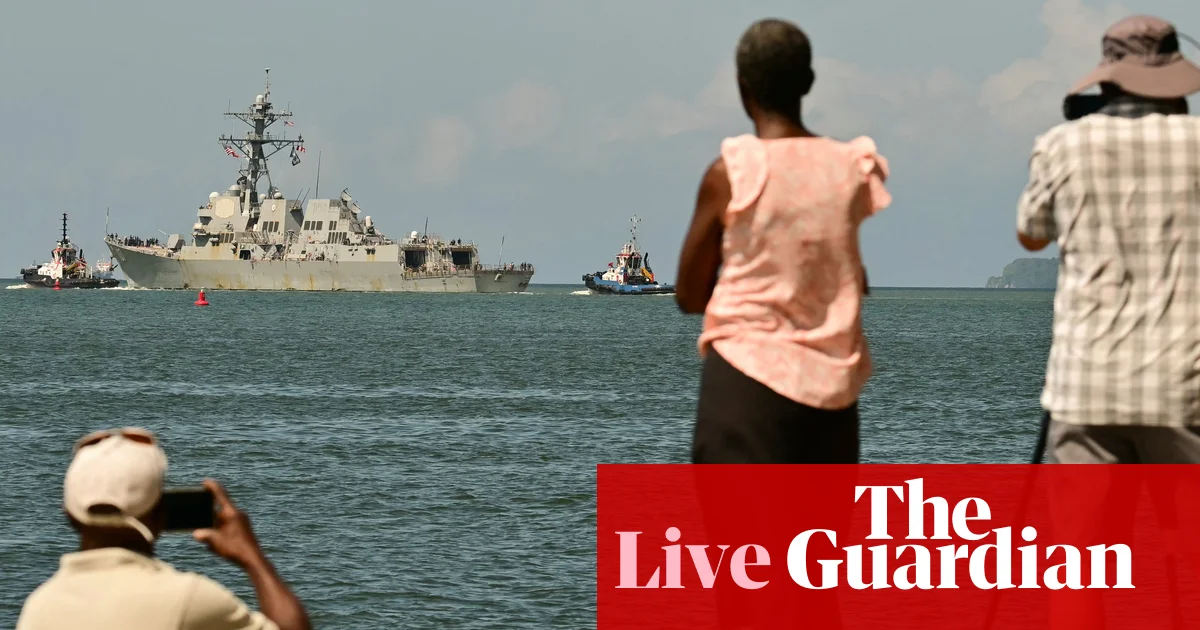
Recent developments reveal a concerted effort by the Trump administration to leverage military force, particularly in Venezuela. Reports indicate that discussions within the US government are gravitating toward authorizing land strikes—a move that would sharply escalate the ongoing covert and overt conflicts in the region. The Senate is now poised to vote on bipartisan legislation aimed at barring President Trump from initiating unauthorized military actions against Venezuela, a clear sign of growing congressional concern over unchecked executive power. Such legislation from Senators like Tim Kaine and Adam Schiff, along with Rand Paul’s support, underscores the deep bipartisan unease about the administration’s push for military intervention. Meanwhile, reports of aggressive US military deployments—including an aircraft carrier heading to South American waters and deadly strikes on alleged drug vessels—point to a hardening US posture that many analysts see as a replay of past interventions like Panama in 1989. The echoes of Operation Just Cause are unmistakable as the US seems determined to destabilize the Maduro regime, a move critics argue is driven more by strategic interests than genuine concern for regional sovereignty.
This militarization coincides with an aggressive economic stance. The US Supreme Court recently questioned the legality of Donald Trump’s tariffs imposed under the International Emergency Economic Powers Act (IEEPA). Even the high court’s conservative supermajority appeared skeptical about the president’s authority to levy duties not explicitly authorized by Congress, raising questions about the legality of economic sanctions that have far-reaching effects. Analysts warn that, regardless of the court’s ultimate ruling, these unilateral measures weaken international economic stability and further erode the balance of powers between branches of government. Simultaneously, the ongoing government shutdown threatens to disrupt vital infrastructure, with potential cuts to flights and public services that directly impact both domestic and international mobility, economic stability, and regional security.
On the diplomatic front, Trump’s engagement with China took a notable turn as he reportedly appealed to Xi Jinping to intervene in the case of jailed Hong Kong media tycoon Jimmy Lai. This move signals a broader strategy to simultaneously project US influence and influence global perceptions of China’s internal governance. Meanwhile, the internal chaos within the US government—marked by protests from furloughed workers and legal challenges over detention conditions—exposes a nation divided against itself, with its institutions strained by persistent partisan battles. Historians and international bodies warn that such internal disarray complicates the US’s ability to project power and uphold international commitments, risking a decline in global influence and credibility.
As the chaos unfolds, so too does history a new chapter—one where America’s future remains uncertain, its choices echoing through the corridors of power and the streets of Venezuela, Panama, and beyond. The decisions made today are not just about policy—they are the shaping of a new geopolitical reality, whose true impact will be measured by the stones we cast into the waters of history. In this unfolding drama, the specter of conflict and the struggle for influence loom large, with each gamble drawing the world closer to a precipice. The weight of history presses heavily upon the present—what legacy will today’s leaders leave in the sands of tomorrow?














