The international stage continues to unravel in a complex tapestry of diplomacy, conflict, and political posturing. The recent developments surrounding Ukraine and U.S. negotiations underscore the persistent drive for peace amid ongoing territorial disputes. According to Ukraine’s top negotiator, Rustem Umerov, there have been “constructive and productive” talks, with hopes of forging a lasting peace. Yet, behind these diplomatic efforts lie intractable issues, notably the contested control of Donetsk and Luhansk regions, which remain pivotal in the broader conflict. Analysts from various think tanks and international organizations warn that unresolved territorial disputes could prolong the war, with repercussions that ripple far beyond Eastern Europe.
Meanwhile, the U.S. continues to exert influence over Ukraine’s territorial negotiations, demanding that Kyiv cede control of the Donbas regions as a precondition for peace talks. Reports from Reuters and AFP reveal that US negotiators are maintaining this stance, asserting that Russia’s primary objective is to reclaim territory—an assertion that Kyiv vehemently rejects. This insistence by Washington reflects a deeper strategic positioning, revealing how geopolitical interests are entwined with territorial sovereignty. In stark contrast, Russian President Vladimir Putin is said to prioritize territorial expansion, seeking to consolidate control over areas critical to Russia’s national security. The conflicting demands exemplify a broader chess game involving multiple nations, each vying to shape the future of a region that increasingly symbolizes the battleground of post-Cold War influence.
The European leaders, led by Friedrich Merz of Germany, actively participate in these talks, hosting discussions with Ukrainian President Volodymyr Zelenskyy and other key figures. The presence of Trump’s envoy, Steve Witkoff, and Jared Kushner underscores the continued interest from U.S. factions seeking a role in resolving the conflict — although their involvement is contentious amidst concerns over biases and diplomatic effectiveness. This dynamic illustrates the shifting boundaries of influence and the perilous dance of diplomacy in a Europe teetering on the edge of prolonged instability.
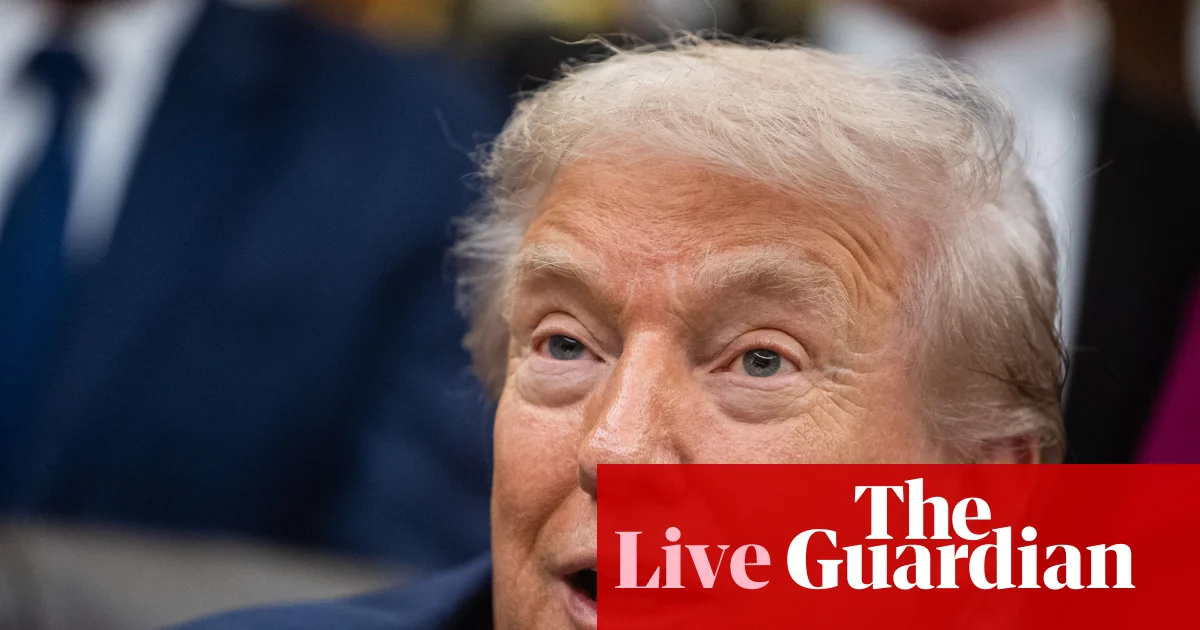
Simultaneously, domestic policy debates in America reveal a nation deeply divided on how to approach foreign conflicts and internal crises. Notably, the rhetoric of Donald Trump and Ilhan Omar exemplifies the tumult within U.S. politics—ranging from accusations of “disgusting” statements to allegations of government overreach. Recent reports highlight Trump’s plans to sign executive orders reclassifying marijuana, signaling a possible pivot that could reshape America’s drug policy landscape. Yet, as analysts warn, these decisions carry profound implications for international perceptions of U.S. stability and leadership in safeguarding democratic values.
In this ever-unfolding chapter of history, the fate of nations hangs precariously in the balance. As Ukraine‘s leaders wrestle with territorial sovereignty and U.S. policymakers grapple with internal divisions, the echoes of past conflicts and missed opportunities reverberate across continents. The meticulous power struggles and diplomatic negotiations of today are but threads woven into the larger fabric of history—each decision, each bold move, shaping the future of global stability. As world leaders convene in Berlin and elsewhere, the question remains: how long can the fragile veneer of peace hold before the next chapter of conflict demands its place in the annals of history?