Rising Hate Crimes and Society’s Response: The Role of Community Security in Protecting Our Future
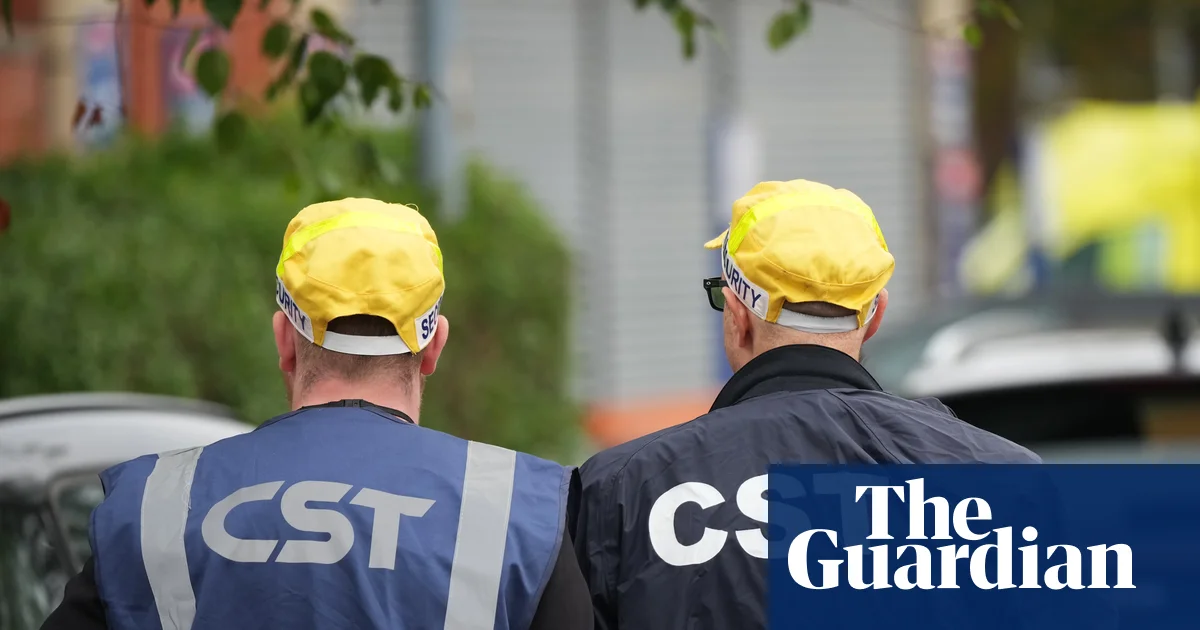
In recent years, the fabric of multicultural communities across the UK has been strained by a troubling surge in hate crimes, particularly targeting the Jewish population. The recent attack on a synagogue in Manchester, which resulted in severe injuries to a Community Security Trust (CST) volunteer, underscores the grave reality that some of our communities are facing. The CST, a pivotal community organization dedicated to monitoring and combating antisemitism since 1984, has become an essential line of defense, deploying extensive security measures to safeguard places of worship, schools, and communal spaces. The injuries sustained by one of its personnel, believed to be the most severe yet, reflect the dangerous escalation of violence and the importance of resilience in our social fabric.
This incident is not isolated but part of a disturbing trend that saw anti-Jewish hate crimes in the UK surge by over 100% in just a year—jumping from 1,543 to 3,282 reported incidents by March 2024, according to Home Office statistics. The CST’s own data indicated 1,521 antisemitic incidents in the first half of this year alone. These numbers expose a future where intolerance and hate threaten to undermine the societal cohesion necessary for families and communities to thrive. Sociologists like Dr. Samuel Abrams have pointed out that radicalization and societal fractures often manifest through such hate crimes, which target the emotional and physical safety of vulnerable communities, eroding trust and fostering division.
To counter this rising tide of hostility, organizations like the CST have stepped up their efforts, employing over 100 staff members and more than 2,000 trained volunteers. Their training spans from first aid to advanced security procedures, often working alongside private security firms funded by government grants—including an £18 million annual subsidy from the Home Office to protect sites ranging from nurseries to high-profile communal buildings. Beyond physical security, the CST dedicates resources to intelligence work, analyzing neo-Nazi and Islamist sources that fuel hate, and collaborating with wider anti-hate networks such as Tell Mama. This united front demonstrates a community-led resilience that refuses to be intimidated, emphasizing that the fight against hatred requires both vigilance and proactive policy measures.
The societal implications of such efforts extend beyond mere security. They serve as a moral bulwark to preserve the integrity of families and the youthful generations who will inherit the society we shape today. While these measures are essential, some social commentators argue that addressing root causes—such as ignorance and economic disenfranchisement—remains critical. Historians like Niall Ferguson have emphasized that societal stability depends on integrating diverse communities and fostering shared values, making it paramount that our institutions invest in education and intercultural dialogue. Initiatives like youth awareness courses, which engage teenagers in street-level understanding of the importance of tolerance, are steps in this direction, echoing a broader societal need to unite against divisiveness at its core.
Looking ahead, the challenge remains: how do communities ensure that the ideals of respect, safety, and shared purpose are not just ideals, but lived realities for the next generation? As societal rifts widen in some areas, it is vital to remember that beneath the divisions lie communities longing for safety and understanding. The story of Manchester’s synagogue is a stark reminder of the ongoing struggle but also of the resilience that emerges when communities and institutions stand together. This society’s future depends on whether we dare to bridge the gaps, prioritize unity, and invest in collective hope—because in every act of protection and understanding, we forge the path toward a society where all can flourish free of fear.