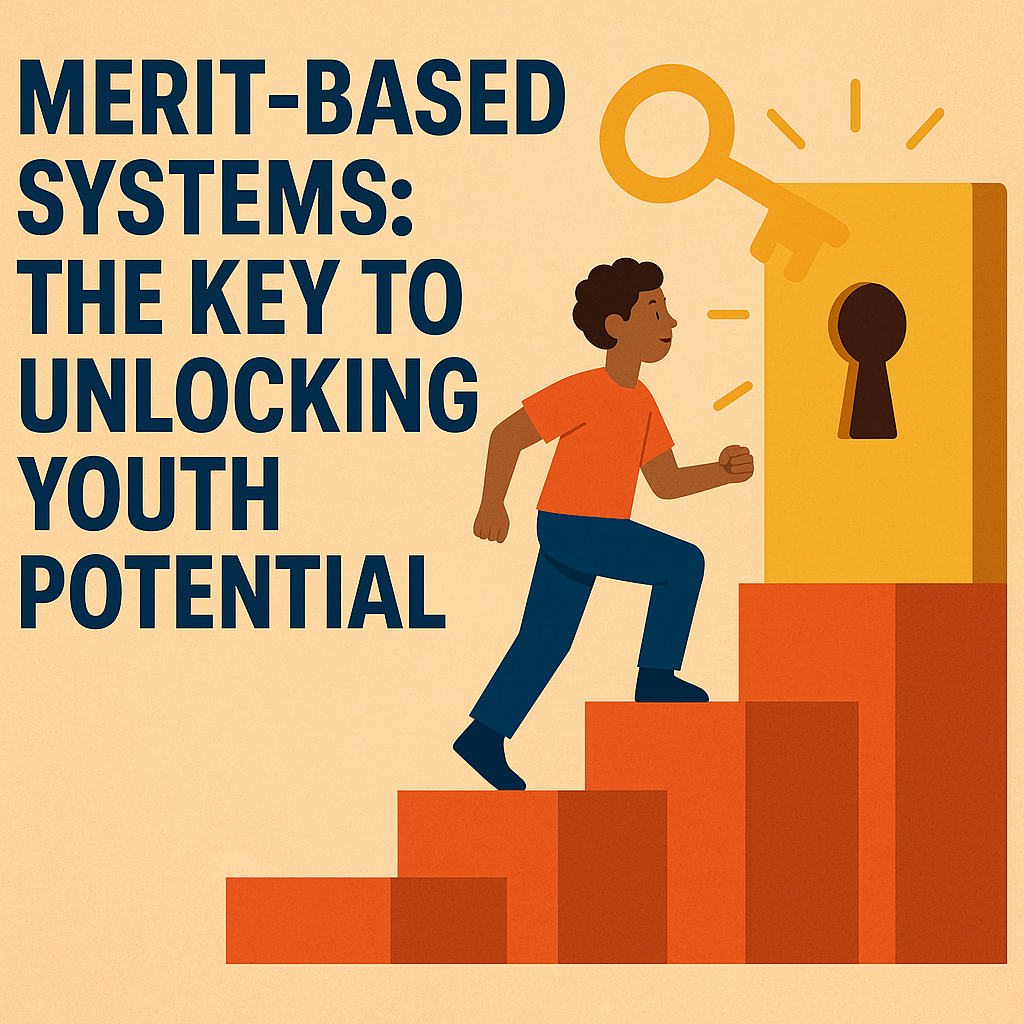
In an era where talent is abundant yet often underappreciated, merit-based systems emerge as the definitive pathway to unlock the boundless potential of youth. Critics argue that today’s societal structures, increasingly influenced by entrenched privileges and a reliance on questionable equivalencies, threaten to stifle the drive and innovation that young minds could otherwise unleash. Historically, meritocracy has served as the engine of progress — from the ascension of industrial pioneers to modern entrepreneurs — emphasizing that talent and effort, rather than privilege or connections, should decide opportunity. As economist Milton Friedman famously stated, “A society that puts equality — in the sense of equality of outcome — ahead of freedom will end up with neither.” Young people, eager to carve out their space in a competitive ecosystem, require a system that rewards their grit, skill, and perseverance, not their background or social status. Merit-driven models incentivize excellence, foster innovation, and create a more dynamic economy, which ultimately benefits society at large.
Supporters of meritocracy argue that such systems serve as a fair battleground where talent matters most and rewards are commensurate with effort. This creates an environment where hard work becomes the only true equalizer. Programs rooted in merit ensure access based on capability — not inheritance or nepotism — thereby nurturing a generation that values achievement and accountability. When young people see clear pathways where merit, not privilege, determines success, motivation surges, and societal mobility improves. Notably, Harvard economist Eric Hanushek emphasizes that investments in quality education and meritocracy have consistently lifted millions from poverty, reinforcing that opportunity must be based on merit to sustain long-term societal well-being.
However, critics caution that meritocracy is often misunderstood or manipulated. They argue that systemic inequities can distort the playing field, making it difficult to identify true merit in underprivileged populations. Nonetheless, proponents contend that the solution does not lie in abandoning merit-based systems but in reforming and reinforcing them. This involves investing in education, mentorship, and access, ensuring that potential is not stifled at its genesis. Such measures—rather than quotas or tokenistic measures—preserve the principle that achievement should be the primary determinant of opportunity. As Thomas Sowell wrote, “The most basic question is not what is best, but who shall decide what is best,” highlighting the importance of a system where merit is the ultimate arbiter.
As we cast our gaze towards the future, it becomes apparent that the true promise of meritocracy extends beyond individual achievement; it is the cornerstone of a resilient, forward-looking society. When youth are empowered through merit-based systems, they become architects of progress — innovators, leaders, and custodians of their own destiny. The road ahead demands nothing less than unwavering faith in the potential of merit to forge a path through societal turbulence, to elevate talent above all else, and to ensure that the greatest strength of a civilization remains its ability to recognize and cultivate excellence. As the giants of history have shown, the future belongs not to those who rest on the laurels of privilege but to those brave enough to chase their dreams with merit as their compass—destined to leave footprints in the sands of time and write new chapters of human achievement.”