
TRENDING NEWS





Truth Over Trends, always!
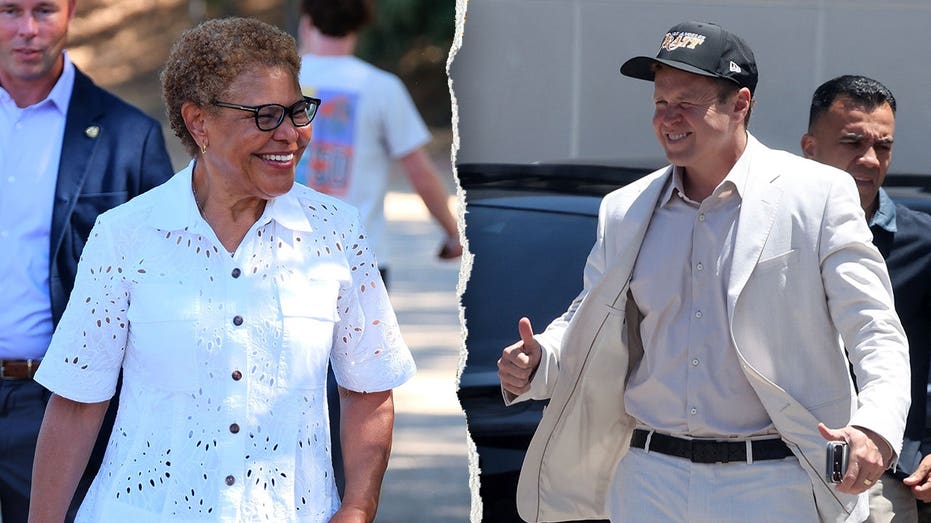
Los Angeles Mayor Karen Bass is navigating a surprisingly tight re-election campaign, with recent comments sparking considerable discussion. As the city prepares for Tuesday’s primary election, Mayor Bass appeared to draw a parallel between her challenger, former reality television star Spencer Pratt, and former President Donald Trump, intensifying the political discourse in a race that is widely expected to culminate in a runoff.
The incumbent mayor’s remarks, made during an Instagram livestream, underscore the competitive nature of the contest against Pratt and City Council member Nithya Raman. With no candidate anticipated to secure more than 50% of the vote, the top two contenders will advance to a November runoff, setting the stage for a prolonged battle for the city’s top office.
Mayor Bass, backed by prominent Democratic figures such as former Vice President Kamala Harris and California Governor Gavin Newsom, has been actively campaigning across Los Angeles. Her weekend activities included a stop at Yosemite Recreation Center in Eagle Rock, where she was seen engaging with voters while serving tacos, an image emblematic of grassroots campaigning efforts.
However, it was her statement on social media that has garnered significant attention. During an Instagram livestream, Bass reportedly commented on Spencer Pratt, stating, “You have a failed reality TV star who wants to be famous.” She then appeared to reference former President Donald Trump, adding, “We know what it means if you put somebody who is a reality TV star in a seat of power.” This implicit comparison suggests a strategic move to frame her opponent in a light that might resonate with voters wary of non-traditional political backgrounds.
While Mayor Bass focused on her challenger’s background, Spencer Pratt, known for his role on “The Hills,” has been busy critiquing City Council member Nithya Raman on social media platform X. Pratt’s campaign has leveraged his public persona to gain traction, contributing to the unexpected competitiveness of the race. His direct engagement with opponents’ platforms indicates a willingness to challenge established political norms, a characteristic that often appeals to a segment of the electorate.
Nithya Raman, for her part, has been actively rallying her base. In an Instagram video, she acknowledged the significant spending against her campaign while pointing to recent polling data to underscore her continued viability. “After millions of dollars of spending against us, we are still here and we are still competitive,” Raman stated, urging her supporters to vote and highlighting the resilience of her campaign despite financial disadvantages. This three-way contest ensures a dynamic and unpredictable outcome for Los Angeles.
Recent polling data, as reported by Fox News, suggests a highly fragmented electorate, making it increasingly probable that no single candidate will achieve the outright majority needed to win in the primary. This scenario sets the stage for a November runoff, where the political landscape will likely be redefined with only two candidates vying for the mayoralty.
The prospect of a runoff means Los Angeles voters will face an extended period of campaigning and debate, with candidates refining their messages and strategies for a head-to-head contest. The stakes are high, as the city grapples with critical issues ranging from homelessness to public safety and economic development. The outcome will shape the direction of the city for years to come, emphasizing the importance of informed civic engagement.
“We know what it means if you put somebody who is a reality TV star in a seat of power.”
As the final hours tick down to Election Day, the rhetoric employed by candidates like Mayor Bass will undoubtedly be scrutinized for its impact on public discourse and voter perception. The Los Angeles mayoral race has become a compelling study in modern political campaigning, where traditional governance meets the influence of media personality. Voters will soon decide which vision and leadership style they believe best serves the city’s future, with the likelihood of a decisive November showdown looming large.
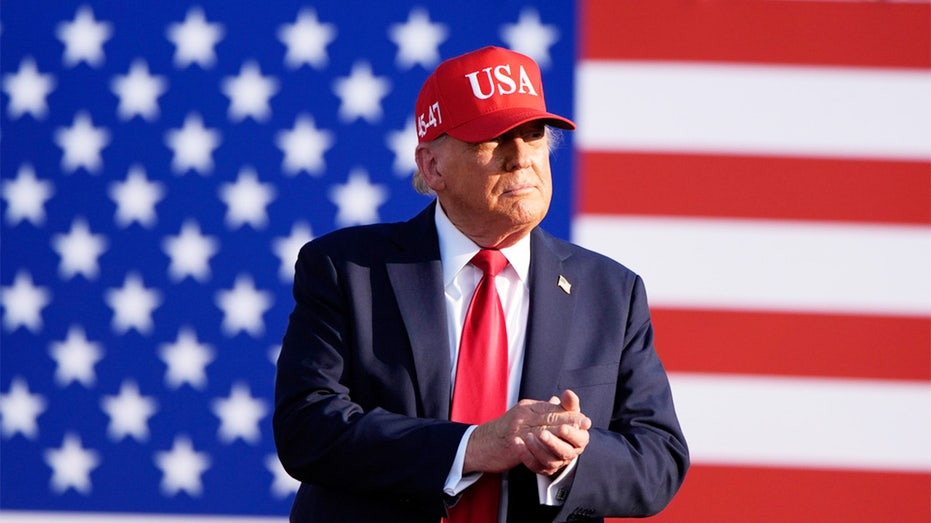
President Donald Trump has put forward a significant proposal regarding the upcoming nation’s 250th anniversary celebrations, suggesting that a large-scale “MAKE AMERICA GREAT AGAIN RALLY” could replace the originally planned “Freedom 250” concerts. This idea emerges as several musical artists have withdrawn from performances slated for the national jubilee, scheduled for this summer, prompting a re-evaluation of how this monumental occasion might be observed.
In a detailed post on Truth Social, President Trump articulated his view that the traditional concert format, featuring “overpriced singers, who nobody wants to hear,” is not the appropriate way to mark the significant milestone of America’s quarter-millennium. He proposed a vibrant MAGA rally as an alternative, asserting it would be a more fitting and engaging commemoration, particularly for those who share his vision for the nation’s future.
Trump’s comments also drew a parallel to a recent judicial decision concerning his involvement with the Kennedy Center for the Performing Arts. He stated, “Cancel it, just like I canceled my involvement with the failing and unsafe to be in Kennedy Center, because a Highly Conflicted, Crooked Federal Judge, said that I should not be allowed to spend my time and money in order to MAKE THE CENTER GREAT AGAIN, actually, far greater than it ever was before!” This statement underscores his broader critique of what he perceives as politically motivated decisions affecting cultural institutions, and suggests a preference for events aligned with his political movement over those organized by established cultural bodies.
The suggestion to pivot from a traditional concert to a political rally for such a pivotal national anniversary marks a departure from conventional approaches to unifying national celebrations. It reflects a growing trend of blending political messaging with public observances, raising questions about the role of partisan events in marking national milestones.
The former president’s comments come amidst growing challenges for the “America 250” events. The Great American State Fair, a major component of the national celebration, is planned to unfold on the National Mall in Washington, D.C., from June 25 to July 10, 2026. This extensive event aims to offer what organizers describe as “once-in-a-lifetime” travel opportunities and cultural experiences across the nation’s capital, designed to engage citizens from all walks of life in commemorating American history and progress.
However, the “Freedom 250” concerts, a key attraction within the State Fair, have recently faced significant setbacks. After organizers released an initial list of performers, several prominent artists subsequently announced their withdrawal. These included notable names such as:
The precise reasons for these withdrawals were not detailed in the reporting by News Desk, but their collective absence undoubtedly impacts the planned entertainment lineup and the overall appeal of the celebratory events. Such high-profile cancellations can complicate efforts to attract broad public participation and secure additional talent, potentially forcing organizers to reconsider the format or scale of the musical components of the jubilee.
“We should have a giant MAKE AMERICA GREAT AGAIN RALLY, for 250, instead of having overpriced singers, who nobody wants to hear, whose music is boring, and yet who do nothing but complain.”
President Trump’s proposal introduces a significant question about the nature of national celebrations, particularly how they should reflect the diverse sentiments and political landscape of the country. Traditionally, events marking national anniversaries, such as the upcoming 250th anniversary concert, strive to be inclusive and non-partisan, serving as platforms for unity and shared heritage. A large-scale political rally, while energizing for its supporters, could be perceived as divisive, potentially alienating other segments of the population who might otherwise participate in a more neutral civic observance.
The concept of replacing a broadly appealing cultural event with a politically charged gathering raises concerns among those who advocate for the preservation of institutions and traditions that transcend partisan divides. The integrity of national celebrations often relies on their ability to foster a sense of collective identity, rather than reinforcing political affiliations. This discussion highlights the ongoing tension between political expression and the need for national cohesion during moments of historical reflection.
As the nation approaches this monumental milestone, decisions on how to commemorate it will inevitably reflect ongoing discussions about national identity, civic participation, and the appropriate balance between political advocacy and public unity. The path forward for the America 250 celebrations remains a subject of considerable interest and debate.
The prospect of a national celebration potentially shifting from a cultural spectacle to a political demonstration offers a stark illustration of contemporary societal divisions. Whether organizers will adapt to these challenges by embracing alternative formats or seeking new talent to uphold traditional celebratory structures remains to be seen. The coming months will be crucial in determining the final shape of America’s quarter-millennium observance.
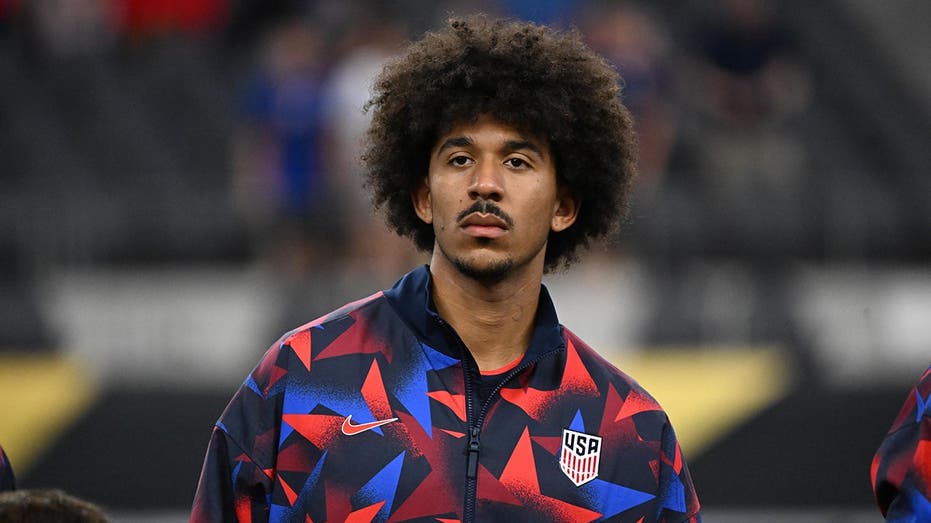
The United States Men’s National Team (USMNT) faces a significant challenge just weeks before the 2026 FIFA World Cup kicks off, as star defender Chris Richards is sidelined with an ankle injury. His inability to travel for the upcoming friendly against Senegal casts a long shadow over the team’s vital World Cup preparations, leaving fans and coaching staff anxious about his availability for the prestigious tournament.
Richards, widely considered one of the USMNT’s most vital defensive assets, has been grappling with an ankle issue that kept him out of Crystal Palace’s final two matches of the season. The 26-year-old center-back will remain at the USMNT training facility in Atlanta for rehabilitation while his teammates journey to Charlotte, North Carolina, for Sunday’s friendly. This decision underscores the severity of his condition and the team’s cautious approach.
The lack of a public timetable for Richards’ return heightens the uncertainty. His absence was noticeable even during the recent 26-man roster reveal in New York City, where he participated via video message from Germany, having been with Crystal Palace for their European final match. While he was available as a substitute for that club fixture, he did not play, indicating his limited fitness.
USMNT Manager Mauricio Pochettino has openly acknowledged the concerns surrounding Richards’ recovery. Speaking to reporters, including those from Fox News, Pochettino emphasized the need for continued rehabilitation, stating, “I think he needs to keep doing his rehab. I think it’s much better to stay here and plan to train and [see] next week how it is.”
The manager’s cautious tone suggests a significant hurdle in Richards’ path to full fitness. When pressed about Richards’ readiness for the team’s opening World Cup match against Paraguay on June 12 in Los Angeles, Pochettino’s response reflected ongoing uncertainty. He recounted repeated inquiries to his assistant, Jesús Pérez, receiving only the reply, “Wait, wait, wait, wait. The answer was ‘Wait, wait, wait.’ It’s too early. We need to see. The next few days are goin’.” This indicates a day-by-day assessment, far from a guarantee of his presence.
The potential absence of Chris Richards for any portion of the World Cup presents a considerable headache for the USMNT coaching staff. Richards provides a unique blend of athleticism, aerial prowess, and composure on the ball, making him indispensable in the central defense. His leadership and experience, particularly in high-pressure situations, would be sorely missed.
The team will need to quickly adapt and solidify its defensive strategies, exploring options to fill the void left by Richards, should his recovery extend beyond the initial matches. The World Cup demands peak performance from every player, and any injury to a key starter so close to the tournament is a major test of squad depth and resilience.
“I think he needs to keep doing his rehab… It’s too early. We need to see. The next few days are goin’.” – Mauricio Pochettino, USMNT Manager
As the clock ticks down to the 2026 FIFA World Cup, the focus remains squarely on the health of Chris Richards. His journey back to the pitch is not just personal; it carries significant weight for the national team’s aspirations. For the USMNT to perform at its best on the global stage, every player’s fitness is paramount. The coming days will be critical in determining whether this breakout star can rejoin his teammates and contribute to the nation’s quest for World Cup glory. The team’s ability to navigate this challenge will be a true measure of its depth and preparation.

The entertainment world is abuzz with fervent speculation surrounding pop music phenomenon Taylor Swift and her potential involvement in Disney/Pixar’s highly anticipated film, Toy Story 5. A series of cryptic clues, including a mysterious billboard campaign and a subtle lyrical hint, have ignited a firestorm of theories among fans, suggesting a significant collaboration is on the horizon. This development could mark a major cultural moment, blending one of music’s biggest stars with a beloved animated franchise.
The initial spark for this widespread conjecture came on Friday with the unveiling of a curious billboard. Set against the iconic blue sky and white cloud backdrop synonymous with the Toy Story universe, the display prominently featured the initials “TS.” Eagle-eyed fans, affectionately known as “Swifties,” quickly noted a peculiar detail: precisely 13 clouds adorned the advertisement. For devout followers of Swift, the number 13 is famously considered her lucky charm, a recurring motif throughout her career, instantly fueling speculation that the initials stood for Taylor Swift. Social media platforms, particularly X, erupted with comments from fans convinced this could not be mere coincidence.
The intrigue escalated further when Pixar itself seemed to fan the flames. On Saturday, the animation studio shared an image of the mysterious billboard on social media, featuring the beloved Toy Story character Jessie performing lively dance moves atop the display. The accompanying caption, “She’s making those moves up as she goes!”, immediately resonated with Swifties. Many interpreted this as a direct lyrical reference to Swift’s chart-topping 2014 hit, “Shake It Off,” where she sings, “I’m dancin’ on my own… I make the moves up as I go.” This perceived confirmation sent shockwaves through fan communities, with comments like “SHAKE IT OFF REFERENCE, TAY STORY IS HAPPENING!!!” flooding in. The potential for a new Taylor Swift song in Toy Story 5 has been hailed by some as the “cure to heal millennials,” underscoring the profound emotional connection many adults have to both the artist and the franchise.
“The potential for a new Taylor Swift song in Toy Story 5 has been hailed by some as the ‘cure to heal millennials,’ underscoring the profound emotional connection many adults have to both the artist and the franchise.”
While official details remain under wraps, the speculation opens a realm of possibilities for Taylor Swift’s involvement in Toy Story 5. Her collaboration could manifest in several ways, each promising to generate immense buzz and appeal to a broad demographic.
Any of these scenarios would represent a significant win for Disney/Pixar, leveraging Swift’s unparalleled global reach and dedicated fanbase. It would also further diversify Swift’s already impressive portfolio, extending her influence beyond music tours and re-recorded albums.
As fans eagerly await an official announcement from Disney or Pixar, the current wave of speculation highlights the immense cultural power of Taylor Swift. Her ability to generate such intense interest through subtle hints demonstrates her unique connection with her audience. Whether she contributes a new anthem, a voice performance, or another creative element, her potential involvement with Toy Story 5 promises to be a landmark event for both the entertainment industry and her legions of followers worldwide, as noted by observers from Billboard.com. The anticipation continues to build, leaving many to wonder what magical surprise the collaboration might bring.
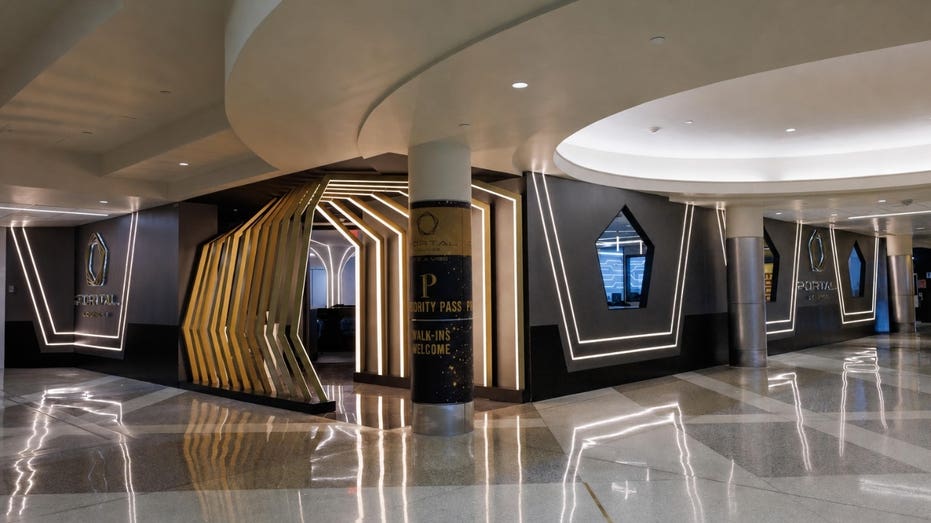
Travelers often find themselves in a familiar predicament: through security, but with time to spare before boarding. This “dead time” can be a source of frustration, with limited options beyond overpriced food or crowded seating. Now, the Portal Lounge at Minneapolis-St. Paul International Airport (MSP) is offering a compelling alternative, aiming to revolutionize the pre-flight experience with its innovative high-tech airport lounge concept.
The Portal Lounge, which opened on May 28, is the brainchild of Jordan and Emma Walbridge, the visionary entrepreneurs behind Gameway. Their initial concept, airport gaming stations, has already found success across nine U.S. airports, with plans for further expansion. The Walbridges have expanded this successful model into a broader hospitality experience, consciously moving away from the quiet exclusivity of conventional airport lounges. Instead, they’ve designed a vibrant, social space where energy, entertainment, and advanced technology are central. This 3,800-square-foot facility, capable of accommodating around 114 guests, blends cinematic lighting, art deco-inspired interiors, curated music, and custom furnishings to create an inviting atmosphere.
At the heart of the Portal Lounge’s appeal is its impressive array of technological features. Travelers can immerse themselves in gaming at 17 dedicated stations, offering a wide selection of titles across Nintendo Switch, Xbox, PlayStation, and custom-built gaming PCs. With nearly 30 games spanning casual, multiplayer, streaming, and competitive genres, there’s an option for every preference.
Beyond gaming, the lounge introduces novel amenities designed to enhance the social experience:
This commitment to cutting-edge technology reflects a broader understanding of modern consumer preferences, transforming a passive waiting period into an active, enjoyable part of the travel journey.
“This innovative lounge signals a shift towards more dynamic, consumer-focused amenities in our nation’s airports, offering genuine value and entertainment.”
The founders’ approach recognizes that the demographics of leisure and entertainment are evolving. Notably, adults aged 30 to 39 now constitute the largest gaming demographic in the United States, underscoring the broad appeal of interactive entertainment. By integrating popular gaming platforms and a range of digital experiences, the Portal Lounge caters directly to this expanding market, providing a sophisticated yet accessible environment. This strategic design choice not only enhances passenger satisfaction but also demonstrates a forward-thinking embrace of free-market innovation within institutional settings like airports. This insight into evolving traveler needs, as recently reported by Fox News, underscores the lounge’s timely arrival. As such ventures continue to emerge, they promise to elevate the standard for public amenities, making travel less of a chore and more of an integrated, enjoyable experience.
The debut of the Portal Lounge at MSP marks a significant development in airport hospitality. It represents a clear departure from outdated models, embracing technology and dynamic social interaction to meet the needs of today’s travelers. This venture highlights the potential for creative, market-driven solutions to enhance public infrastructure, proving that even routine aspects of travel can be reimagined for greater enjoyment and efficiency. It is an example of how entrepreneurial spirit can foster better experiences within established institutions.
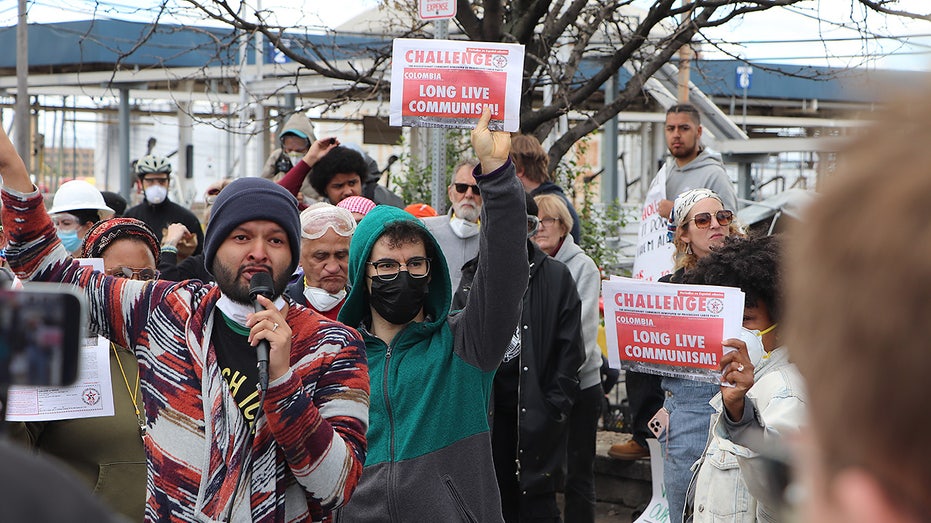
The ongoing demonstrations at the immigration detention center have seen violent skirmishes and a clear ideological hijacking, raising concerns about public order and the integrity of legitimate protest.
Newark, N.J. — What began as a protest concerning conditions at the Delaney Hall detention facility in Newark has rapidly devolved into a stark ideological battleground, as far-left and communist-socialist activists converged with supporters of federal immigration enforcement. The escalating situation on Saturday transformed the site into a broader political spectacle, marked by the presence of outside agitators and calls for radical societal change, overshadowing the initial grievances.
The unrest outside Delaney Hall has persisted for over a week, initially sparked by an open letter from illegal immigrant detainees alleging “physical and psychological torture,” along with claims of inadequate medical care and food. These serious accusations were swiftly addressed and denied by the Department of Homeland Security (DHS), which released facility menus to demonstrate that detainees receive three daily meals, including diverse options such as chicken fajitas and Salisbury steak. However, the focus of the demonstrations has shifted dramatically. On Saturday, a crowd estimated at 200 anti-ICE demonstrators, heavily intertwined with extremist organizations, openly chanted, “Stop ICE Gestapo! Communist revolution!” while distributing literature advocating “LONG LIVE COMMUNISM!”
The volatile environment at Delaney Hall has been exacerbated by individuals from outside the local community. Following earlier violent clashes where federal agents were reportedly bitten, kicked, and punched, New Jersey Governor Mikie Sherrill ordered the New Jersey State Police to assume security responsibilities. The Governor stated this move was necessary to “protect the demonstrators,” a decision that came as the detention center was fortified with barricades and fencing. State officials have openly acknowledged that much of the chaos is being driven by non-local actors. New Jersey Attorney General Jennifer Davenport confirmed that five of the six individuals arrested by state police earlier in the week were not residents of New Jersey. This pattern underscores a concerning trend of external groups exploiting local issues for broader ideological agendas, a point also highlighted in reporting by News Desk.
The initial allegations from detainees regarding their treatment remain a central, albeit increasingly overshadowed, component of the protests. Claims of torture and denial of basic necessities are grave and demand scrutiny. However, the DHS’s rapid and documented response, including the publication of menus, directly challenges these assertions. The presence of radical slogans and a distinct anti-institutional agenda from a significant portion of the demonstrators complicates the public’s ability to discern legitimate concerns from politically motivated disruption. The focus has undeniably shifted from verifying conditions to a broader confrontation between state authority and extremist ideologies.
“The chaos is being driven by outside instigators rather than local residents.”
As the situation at Delaney Hall continues to unfold, the involvement of radical elements and the confirmed presence of outside agitators pose significant challenges to maintaining public order and ensuring the integrity of protest. The events in Newark serve as a stark reminder of the complexities inherent when legitimate grievances become entangled with extremist political agendas, demanding a firm but measured response from institutional authorities to protect both citizens and the rule of law.
Ecuadorian President Daniel Noboa has ignited a diplomatic firestorm, facing accusations of election interference after making a direct offer to cancel tariffs with Colombia. The controversial overture was made to a right-wing presidential candidate, Abelardo de la Espriella, just days before Colombia’s crucial Sunday vote, sparking widespread concern about democratic processes in the region.
President Noboa framed his conversation with presidential hopeful de la Espriella as one with an “administration-in-waiting,” asserting that the two had already “reached an agreement” on vital trade and security matters. This declaration, reported by the News Desk, has been met with sharp criticism, as it appears to preempt the outcome of a sovereign election and potentially sway voter sentiment.
The timing and nature of President Noboa’s announcement are particularly contentious. By engaging with a candidate and presenting a pre-election agreement on significant bilateral issues like tariffs, the Ecuadorian leader’s actions could be perceived as a direct endorsement and an attempt to influence the electoral landscape. This move runs contrary to established international protocols that emphasize non-interference in the internal affairs, especially the electoral processes, of sovereign nations.
Such an intervention, even if framed as a goodwill gesture, risks undermining the legitimacy of the electoral process and the trust in democratic institutions. For a region striving for stability and transparent governance, actions that blur the lines between diplomacy and electioneering can have lasting negative repercussions.
Colombia heads to the polls amidst an atmosphere of intense political polarization, with the outcome poised to redefine the nation’s international alignments and its approach to pressing internal challenges. The election’s stakes are exceptionally high, encompassing critical decisions on:
Current left-wing President Gustavo Petro, unable to seek re-election, has notably sparred with his US counterpart, Donald Trump, over issues ranging from drug trafficking to American intervention in the region. The incoming president will inherit these complex relationships and the immense pressure to deliver stability and prosperity.
The principle of non-interference in the electoral processes of other nations is a cornerstone of international law and diplomacy. When a head of state openly engages with a candidate, promising policy changes contingent on their victory, it creates a dangerous precedent. This action not only risks delegitimizing the election results but also sets a troubling example for regional conduct.
For Matox News, upholding the integrity of democratic institutions and the rule of law is paramount. President Noboa’s actions, regardless of intent, introduce an element of external influence that can erode public confidence in the fairness of the electoral contest. Such episodes complicate future diplomatic efforts and can foster instability in an already delicate geopolitical environment.
“Interfering in a sovereign nation’s election, even through economic promises, undermines the very foundations of democratic legitimacy and regional trust.”
As Colombia prepares to cast its votes, the focus must remain on ensuring a free, fair, and transparent election. External actions that appear to favor one candidate over another inject unnecessary tension and cast a shadow over the democratic aspirations of the Colombian people. The aftermath of this election will undoubtedly shape not only Colombia’s future but also the broader dynamics of South American diplomacy and the respect for institutional order.
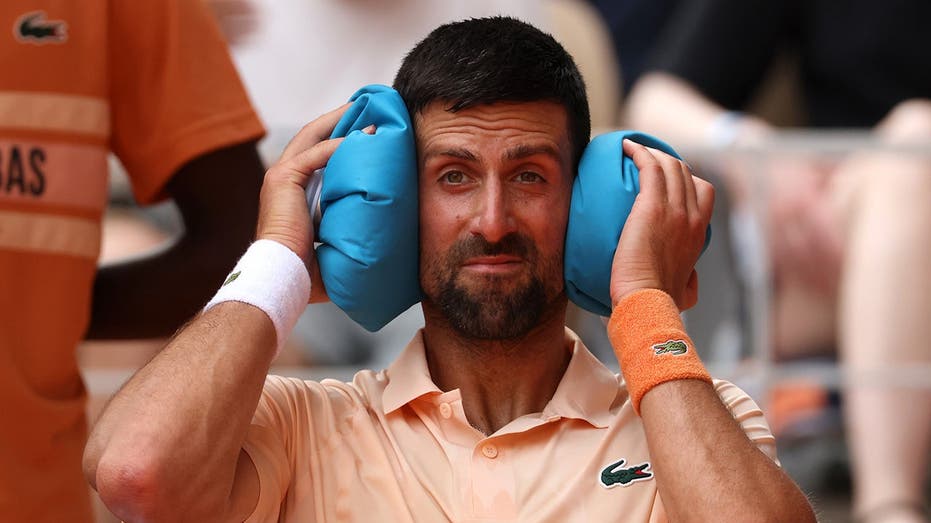
The tennis world was left in disbelief at the French Open today as 24-time Grand Slam champion Novak Djokovic suffered a stunning upset in the third round. The seasoned veteran, often unflappable, was defeated by 19-year-old Brazilian phenom Joao Fonseca in a grueling five-set battle. This unexpected exit followed an earlier moment of palpable tension on Court Philippe-Chatrier, where Djokovic confronted a cameraman for encroaching on his personal space.
The incident, captured on video and widely circulated, set an unusual tone for a match that would culminate in one of the most significant upsets of the tournament, highlighting the intense pressures at the highest echelons of professional tennis.
Midway through his third-round encounter, after securing the second set against Fonseca, Djokovic found himself in a heated exchange with a cameraman. The media professional had moved in closely for a shot, seemingly too close for the Serbian star’s comfort. Djokovic reacted swiftly, voicing his displeasure.
Reports, including those from Fox News Digital, detailed Djokovic’s sharp rebuke. He was heard asking sarcastically, “Can you come more in my face? For God’s sake, make some space.” He gestured pointedly, prompting the cameraman to retreat promptly. An assistant referee reportedly intervened, reinforcing the need for appropriate boundaries.
The cameraman was subsequently replaced, underscoring the swift action taken to address the situation. While the incident was brief, it offered a rare glimpse into the immense pressure athletes face, even those as experienced as Djokovic, and the importance of maintaining professional standards around the court.
Despite the early tension, Djokovic initially appeared to be in control, taking the first two sets with scores of 6-4, 6-4. Most observers anticipated a straightforward path to the Round of 16 for the world No. 3. However, the young Brazilian, ranked 28th, had other plans.
What followed was a breathtaking display of resilience and skill from Joao Fonseca. He clawed his way back into the match, winning the third set 6-3. The momentum shift was palpable as Fonseca, showcasing an impressive array of shots and unwavering determination, then secured the fourth set 7-5, forcing a decisive fifth set.
The final set saw both players battling fiercely, but it was Fonseca who maintained his composure and intensity, ultimately prevailing 7-5. This stunning turnaround marked the first time these two athletes had ever met on court, making Fonseca’s victory even more remarkable against a player of Djokovic’s pedigree.
This Novak Djokovic upset sends shockwaves through the French Open draw and raises questions about the tournament’s trajectory. At 39 years old, Djokovic continues to compete at the highest level, but this loss to a player two decades his junior hints at a potential changing of the guard.
Fonseca’s performance was not merely a lucky break; it was a testament to his burgeoning talent and mental fortitude. His ability to recover from a two-set deficit against one of tennis’s all-time greats firmly establishes him as a player to watch, not just for this tournament but for years to come. The victory underscores the depth of talent emerging in men’s tennis, ready to challenge the established order.
For Djokovic, this early exit is undoubtedly a disappointment. While one loss does not define a career, it serves as a stark reminder of the relentless competition and the physical demands of Grand Slam tennis. Maintaining peak performance against younger, hungrier opponents becomes an ever-greater challenge.
“For God’s sake, make some space,” Djokovic was heard saying, reflecting the mounting pressure he faced before the stunning turnaround.
The French Open continues, but the narrative has undeniably shifted. Joao Fonseca’s monumental victory over Novak Djokovic will be etched into the tournament’s history, not just for its unexpected nature but for the sheer grit displayed by the young Brazilian. It highlights the unpredictable beauty of sport, where experience can sometimes yield to youthful exuberance and tenacity.
As the clay court battles rage on, all eyes will now be on Fonseca to see if he can build on this career-defining moment, while the tennis world ponders the implications for one of its most dominant figures. This upset serves as a powerful testament to the ever-evolving nature of professional tennis.
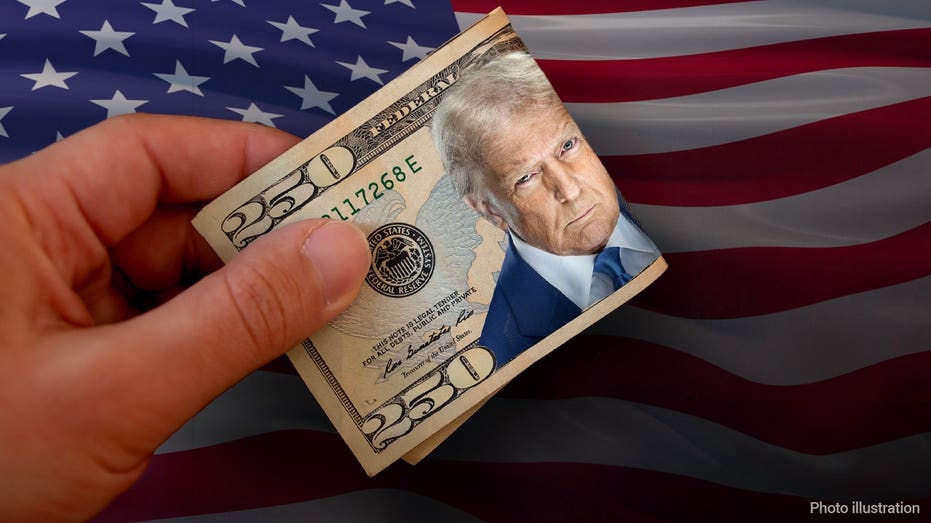
The United States Treasury Department has confirmed it is making preparations for a potential new $250 commemorative note featuring former President Donald Trump. This significant development, intended to coincide with the nation’s 250th anniversary in 2026, hinges entirely on a crucial legislative amendment by Congress. Currently, federal law strictly prohibits the depiction of living individuals on U.S. currency, creating a substantial hurdle for the proposed design.
Should the necessary legal changes be enacted, this would mark an unprecedented shift in American monetary tradition, which has historically reserved currency portraits for deceased figures of national significance. The proposal has already sparked considerable debate, highlighting the intersection of national commemoration, political symbolism, and long-standing institutional practices.
Republican Representative Joe Wilson of South Carolina introduced legislation in February 2025 aimed at paving the way for this historic currency change. The bill, formally known as the 250th Anniversary of the United States Commemorative Coin Act (though it addresses paper currency in this context), seeks to allow Trump’s portrait on the special $250 note, a denomination not currently in circulation. Wilson’s proposal is framed not only as a fitting tribute to America’s upcoming quarter-millennium milestone but also as a symbolic counterpoint to the current administration’s economic policies, reflecting a broader conservative push to honor the former president’s legacy. The legislation was referred to the influential House Financial Services Committee upon its introduction and remains under committee review, awaiting further action.
The committee’s deliberation will be critical, as any bill seeking to alter federal currency law typically faces rigorous scrutiny. Proponents argue that a special commemorative note for the 250th anniversary presents a unique opportunity to honor a contemporary leader, while opponents emphasize the importance of maintaining established protocols.
A Treasury spokesperson, in comments to Fox News Digital, confirmed the department’s proactive approach to the potential currency. “In response to active legislation sponsored by Representative Joe Wilson, the Bureau of Engraving and Printing (BEP) is conducting appropriate planning and due diligence,” the spokesperson stated. This preparation indicates that while the Treasury adheres strictly to existing law, it is ready to move forward swiftly should Congress enact the necessary changes. The department emphasizes its commitment to following legal mandates, stating, “Should this legislative mandate be signed into law, the BEP is moving proactively to produce a $250 commemorative note which will appropriately recognize the 250th Anniversary of our great nation.”
This measured response underscores the institutional respect for the rule of law while anticipating potential legislative shifts. It highlights the intricate dance between executive agencies and the legislative branch, where preparedness often precedes policy enactment. The BEP, responsible for designing and printing U.S. currency, would undertake significant work to develop the design, security features, and production logistics for a new denomination, particularly one featuring a living person.
The prospect of placing a living former president on U.S. currency has naturally ignited considerable political debate. Democratic lawmakers and leaders have voiced strong opposition to the proposal, framing it as an escalation of partisan efforts and a departure from established norms regarding national symbols. The symbolic weight of currency, often seen as representing national unity and historical figures, makes any proposed change highly contentious, especially when it involves a figure as polarizing as Donald Trump.
Current U.S. currency denominations, which include $1, $2, $5, $10, $20, $50, and $100, exclusively feature deceased historical figures such as George Washington, Thomas Jefferson, Abraham Lincoln, Alexander Hamilton, Andrew Jackson, Ulysses S. Grant, and Benjamin Franklin. This tradition dates back to the very origins of the republic, aiming to ensure that currency represents enduring national values rather than transient political figures.
The push for the Trump $250 bill brings several key considerations to the forefront, underscoring deeper ideological divides:
As the nation approaches its 250th anniversary, the debate over the Trump $250 commemorative note will undoubtedly intensify. The outcome rests squarely with Congress, where the proposed legislation must navigate committee review and secure sufficient bipartisan support – a challenging prospect given the current political climate. This legislative journey will test both institutional norms and political will, ultimately determining whether a new chapter in U.S. currency history will be written. The decision will reflect not just a vote on a piece of legislation, but a broader statement on how America chooses to honor its past and present leaders on its most tangible symbols of national identity.

British wildlife artist Robert Fuller has successfully merged his passion for nature with digital innovation, creating a captivating online platform. His YouTube channel, featuring live streams and edited footage from cameras hidden within bespoke nestboxes, is on the cusp of reaching one million global subscribers. This remarkable achievement underscores a significant trend in digital media: the power of genuine, educational content to attract and retain a vast audience. The artist, known for his detailed wildlife paintings, initially sought to gain a deeper understanding of the creatures he depicted, inadvertently creating a digital sensation.
Fuller’s journey began with a simple desire to observe the private lives of nesting birds and animals more closely. Having learned to build bird boxes with his father, he advanced the concept by integrating advanced camera technology. His custom-designed habitats, strategically placed across the picturesque Yorkshire Wolds, initially served as his personal window into the animal kingdom. The inherent frustration of not fully witnessing the intricate behaviors inside these nests led him to place cameras, transforming his artistic pursuit into a pioneering venture in wildlife documentation. This blend of traditional art and modern tech exemplifies a creative, entrepreneurial spirit.
What started as a personal project quickly resonated with a much broader public. The raw, unfiltered footage — capturing everything from births and fledgling flights to the daily routines of owls, kestrels, and kingfishers — became a compelling “nature’s soap opera.” The channel now averages 2.8 million views monthly, demonstrating a profound public interest in authentic wildlife content. This success highlights a shift in digital consumption, where viewers actively seek out educational and calming experiences, often preferring the unpredictable drama of nature to highly produced entertainment. It’s a testament to the universal appeal of the natural world and the effective use of digital platforms to share it.
The popularity of Robert Fuller’s YouTube wildlife content extends beyond mere entertainment. It serves as a powerful educational tool, offering viewers an intimate understanding of British wildlife ecosystems and animal behavior that would otherwise be inaccessible. This digital window fosters a deeper appreciation for nature, potentially inspiring greater conservation efforts and a sense of stewardship among its diverse audience. The channel’s growth also illustrates a viable model for creators to monetize their passions while contributing valuable insights into environmental science. According to a recent report from The Guardian, Fuller’s enterprise showcases how individual initiative can significantly impact public engagement with ecological topics.
“The success of Robert Fuller’s wildlife cameras reveals a profound public hunger for authentic nature experiences, transforming private observations into a global educational phenomenon.”
The ascent of Robert Fuller’s YouTube channel marks a fascinating intersection of art, technology, and environmental appreciation. It underscores the enduring human connection to the natural world and the innovative ways digital platforms can bridge the gap between scientific observation and public engagement. As his subscriber count approaches a significant milestone, Fuller’s work stands as a compelling example of how focused, quality content can build a loyal community and offer a refreshing alternative in the vast digital landscape. This trend suggests a positive direction for online media, where genuine content and educational value are increasingly recognized and celebrated by audiences worldwide.


