
TRENDING NEWS





Truth Over Trends, always!
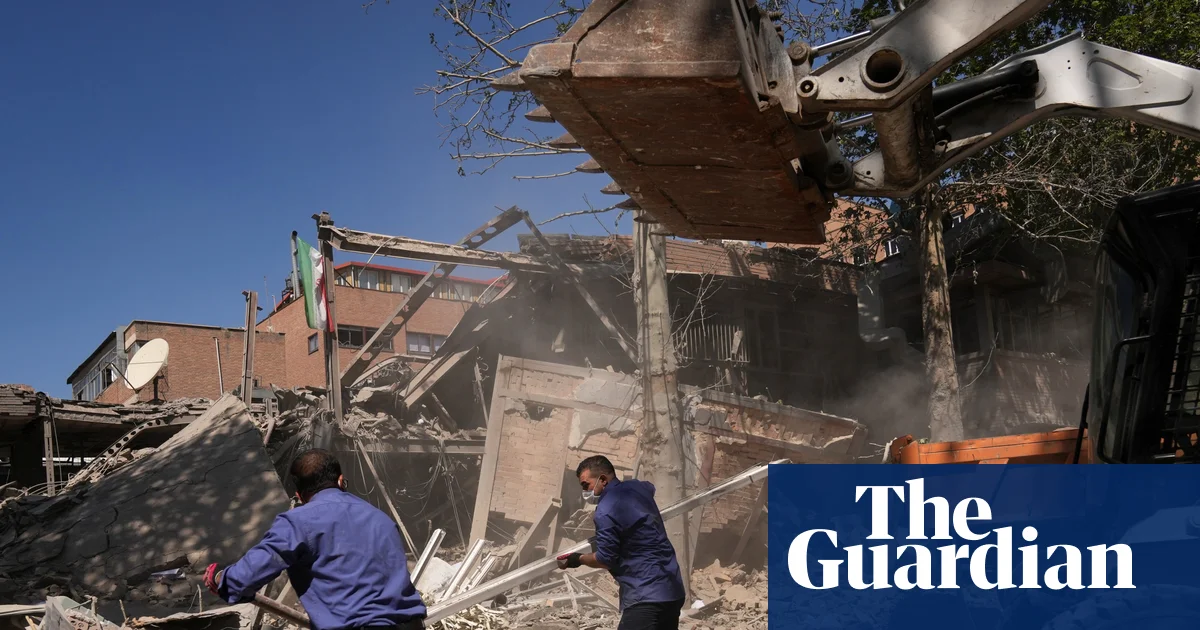
In what appears to be a critically pivotal moment in Middle Eastern geopolitics, negotiations for a potential ceasefire over the ongoing five-week-old conflict are underway, yet the prospects remain uncertain amidst escalating rhetoric and military actions. Proposals from mediators including Pakistan, Egypt, and Turkey advocate for suspension of hostilities and reopening the vital Strait of Hormuz, a strategic waterway through which a significant portion of the world’s oil exports pass. These efforts aim to pave the way for comprehensive peace negotiations, but tensions flare as Washington and Tehran exchange ultimatums that threaten to deepen the crisis. Specifically, Donald Trump has issued a stark warning: open the Strait of Hormuz by Tuesday or face targeted strikes on Iran’s power infrastructure and critical bridges. Such aggressive rhetoric underscores the volatility of the current diplomatic landscape and what analysts warn as a potential trigger for broader regional conflict.
The Iranian government remains resolute, refusing to open the strait under immediate threats, citing fears of renewed US and Israeli attacks. Iranian officials have privately responded but maintain that peace negotiations cannot be carried out under “ultimatums and threats of war crimes,” as stated by Esmaeil Baghaei, Iran’s foreign ministry spokesperson. Iran also warns of a “much more devastating” retaliation should escalation occur. Meanwhile, Israel has visibly escalated its military efforts, claiming responsibility for recent strikes on Iran’s South Pars petrochemical complexes—facilities responsible for approximately 85% of Iran’s petrochemical exports. These strikes, announced publicly by Israel Katz, indicate a relentless campaign aimed at crippling Iran’s economic lifeline, raising concerns about a spiraling regional war. Such actions have already sent ripples through oil markets, with Brent crude futures dipping temporarily, hinting at global economic ramifications of the ongoing conflict.
International actors are deeply involved in tracking shifts in this potential flashpoint. Historians and geopolitical analysts warn that the current standoff risks breaking the fragile balance of power in the Middle East. The involvement of Pakistan’s military, in contact with the US vice-president, and Trump’s envoy’s dialogue with Iran’s foreign minister reflect an intricate web of diplomacy trying to prevent full-scale war. Yet, the recent assaults extending to Lebanon—with Israel bombing Hezbollah strongholds and killing civilians—underline how regional alliances and enmities are fueling wider chaos. As Lebanese and other Middle Eastern societies face devastating repercussions, the question lingers: will diplomacy prevail or will this escalation plunge the region into a broader conflict that could reshape global power dynamics? With each day’s passing, history’s weight thickens, leaving the world on the edge of an unpredictable chapter that could redefine the balance of power for generations to come.
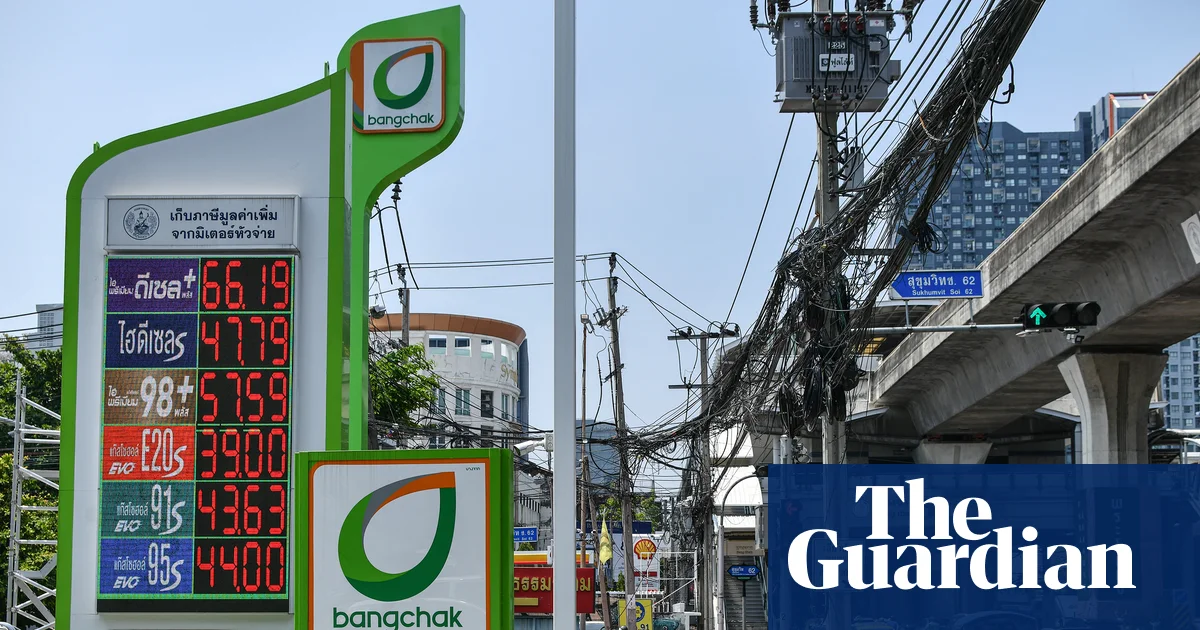
As tensions continue to escalate in the Middle East, nations across Asia are facing profound economic and geopolitical ripples that threaten their stability and sovereignty. Thailand, a strategic Southeast Asian nation often considered a regional economic hub, has recently declared a state of heightened alert, urging its citizens and private sectors to conserve energy amid fears of further disruptions in oil and gas supplies. Prime Minister Anutin Charnvirakul emphasized the nation’s vulnerability due to its heavy reliance on imported fossil fuels, highlighting the precarious position many countries find themselves in during ongoing international conflicts. His appeal for energy conservation — including work-from-home policies, carpooling, and increased dependency on public transportation — underscores an urgent recognition that past complacency regarding energy security can no longer be maintained.
This call for austerity is not isolated; across Asia, governments are adopting a concerted approach to mitigate immediate economic shocks by implementing measures like four-day workweeks, restrictions on overseas travel, and austerity protocols in government operations. The Philippines and Sri Lanka have introduced reduced working schedules for public-sector employees, reflecting a regional consensus that energy and economic stability are now intertwined in the broader geopolitical chessboard. Meanwhile, Vietnam has encouraged remote work as a tactical move to lower energy consumption. Such measures, while seemingly temporary, signal a strategic shift in how these nations perceive their long-term energy vulnerabilities amid upheavals that could reshape geopolitical alignments and economic dependencies.
The ripple effects extend into the economic fabric of Thailand itself. The country’s government announced plans to tighten control over crude palm oil exports and regulate bottled palm oil prices to safeguard domestic supplies amidst rising biodiesel demand. Concurrently, the soaring cost of diesel — now exceeding 50 baht per litre — is plunging sectors critical to national stability, including agriculture and transportation, into crisis. The immediate impact is felt acutely by farmers and tourism operators preparing for Songkran, the Thai New Year, where internal travel traditionally surges but may now dwindle due to inflated travel costs and airline disruptions. This economic strain, driven by international conflicts, exemplifies how volatile energy markets are inexorably linked to social stability and national sovereignty, especially for resource-importing nations caught in the crossfire of global geopolitics.
Analysts and international organizations are wary of the long-term consequences. The International Energy Agency warns that ongoing conflicts could induce a “prolonged energy crunch,” exacerbating inflation and social unrest in nations that rely heavily on imported fuel. Historians like Barbara Tuchman have documented how such resource-driven crises often accelerate political change, underscoring the importance of strategic foresight. For Indonesia, recent measures include a substantial surcharge hike on jet fuel and permission for airlines to raise domestic ticket prices by up to 13%, a move signaling that even oil-rich states are not immune to global supply shocks. Such policies deepen the economic fracture lines, further impacting the geopolitical landscape by fueling nationalism and economic protectionism—an ominous trend that could redefine alliances in the Indo-Pacific and beyond.
As these nations scramble to shield themselves from the dangerous ripple effects of Middle East conflicts, the broader geopolitical battle for energy dominance intensifies. From Beijing to Washington, global powers watch warily, aware that the decisions made today will write the chapters of future history. The Asian responses serve as a stark reminder that energy security is now a vital component of national sovereignty, intertwined with cultural and political stability. With each policy enacted and each resource conserved, nations are staking their claim in a high-stakes game where the consequences of inaction echo through generations. As the world stands at this precarious crossroads, the true magnitude of international upheaval remains unfolding, leaving history to judge whether these measures will herald resilience or further unravel the fragile fabric of global peace.
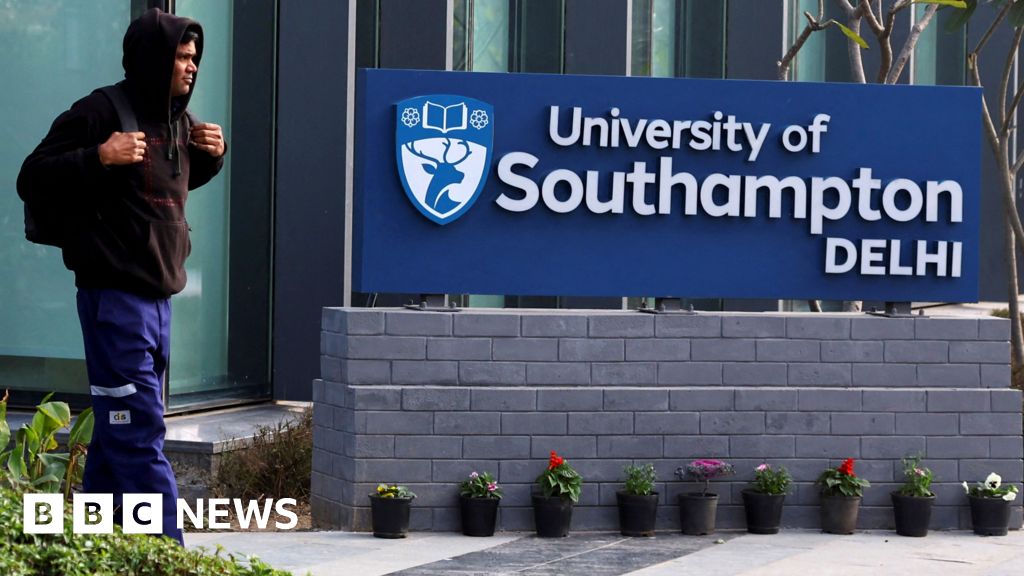
The staggering figures emerging from India’s educational landscape reveal both a nation of promising potential and a deepening social divide. Annually, approximately eleven million students complete their Grade 12, marking the national threshold of secondary education. Yet, within this vast pool, only about 1.5-1.7 million students secure a place in the country’s top academic institutions. This stark disparity underscores a persistent inequality of opportunity, with a select few ascending to what many see as the gateways to socio-economic mobility, while the majority remain outside the privileged orbit of elite education.
The reality is that educational access often mirrors societal hierarchies rooted in economic status, regional disparities, and social caste. India’s most prestigious universities admit only about 200,000 students annually from this vast talent pool, leaving millions of talented youths excluded from the pathways that lead to leadership and innovation. Sociologists like André Béteille have long argued that these disparities not only limit individual potential but also entrench **social stratification**, where privilege is perpetuated through generations. In this context, education becomes less of a universal right and more of a symbol of societal division.
The ramifications for families and communities are profound. Many families from lower socioeconomic strata invest heavily in private coaching, often at great financial sacrifice, hoping to secure a foothold into India’s competitive academic world. Yet, the lack of equal opportunity creates an unfair playing field, amplifying social tensions. For educators and policymakers, this stark reality calls for urgent reforms—ranging from improving access to quality primary and secondary education in rural areas to dismantling systemic barriers that favor urban, affluent communities. These issues touch upon not only individual futures but also the moral fabric of society, calling into question whether the ideals of fairness and meritocracy remain meaningful in such an ecosystem.
Looking forward, there is hope that societal reflection and strategic policy may pave the way for a more inclusive future. Institutions and civic leaders must embrace the challenge of equality, fostering environments where talent does not go unrealized due to societal bias. By addressing root causes of disparity, from inadequate infrastructure in marginalized areas to the prevalent social stigmas, communities can nurture a generation capable of lifting itself beyond inherited divides. As sociologist Arjun Appadurai emphasizes, fostering *cultural resilience* and *social cohesion* are essential in transforming the promise of education into tangible social progress. Society stands at a crossroads where the resilience of families, the dedication of educators, and the resolve of policymakers may either reinforce the barriers of today or dismantle them in pursuit of a more *equitable* tomorrow. Only then can India truly aspire to be a land where opportunity is not dictated by circumstances of birth but fueled by the collective hope of its youth.
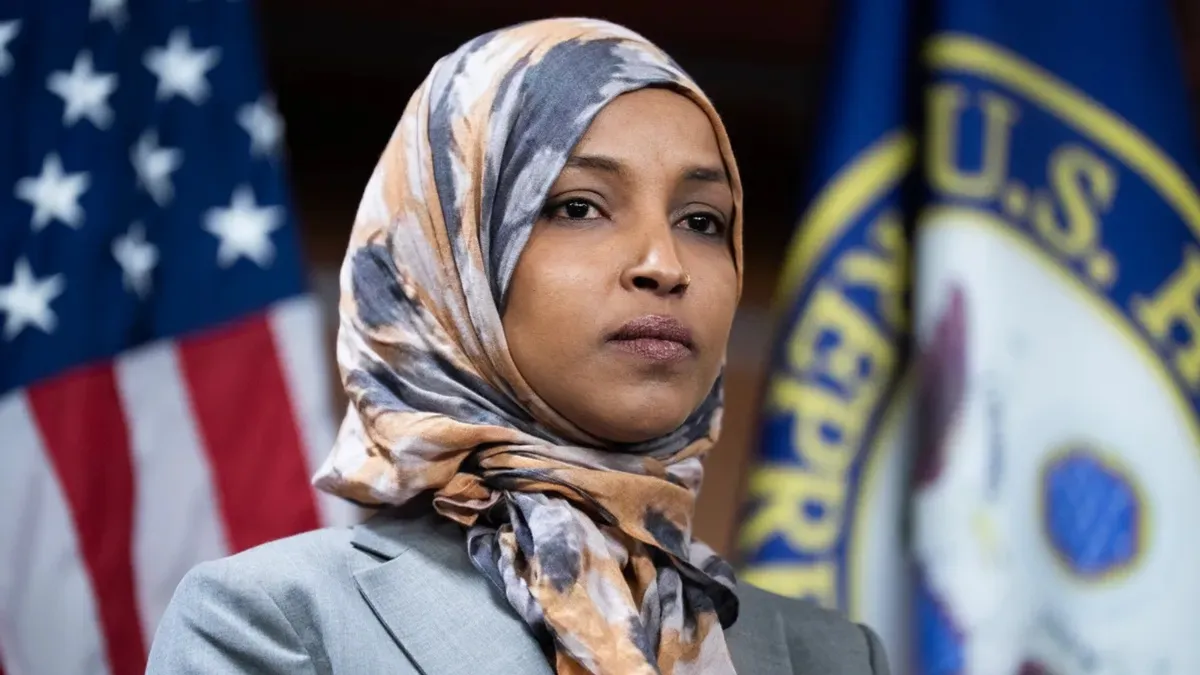
In April 2026, former President Donald Trump reiterated an old claim during remarks at the White House, sparking renewed scrutiny from fact-checkers, analysts, and the public alike. Such statements—often rooted in previous narratives—deserve careful examination to discern fact from potential misstatement or misinformation. As a responsible society, it’s essential to verify claims made by political figures, especially those with significant influence, to preserve the integrity of democratic discourse.
The core claim, as reported, was a reiteration of a previously debunked or exaggerated narrative by President Trump concerning economic, security, or policy issues. To evaluate its veracity, fact-checkers from organizations such as PolitiFact, FactCheck.org, and The Washington Post’s Fact Checker examined the statement against available data, official records, and expert analyses. These steps involved:
Preliminary assessments indicate that many of Trump’s repeated claims—especially those regarding economic performance and border security—are frequently overstated or misleading.
Economists at the Heritage Foundation and The Cato Institute have provided independent analyses pointing to mixed economic results throughout Trump’s presidency but also emphasizing that claims of unprecedented economic success are often exaggerated. Additionally, security experts from the Center for Strategic and International Studies (CSIS) note that border security improvements are complex, with progress on some fronts but persistent challenges remaining.
A key piece of evidence shows that, contrary to Trump’s claims, overall economic growth during his term was moderate when compared with historical standards, with GDP growth averaging around 2% per year. While unemployment dipped to historic lows, critics argue that this was partly due to cyclical factors and policies unrelated to the administration’s efforts. Regarding security, despite increased border funding and selective enforcement, illegal crossings and drug trafficking remain issues, complicating narratives that suggest a complete or rapid security breakthrough.
Based on the detailed review, the claim authored or repeated by Trump in April 2026 can be classified as Misleading. While some data points—such as low unemployment rates—are accurate, they are often presented without context or alongside other critical data that paint a different picture. In the realm of facts, selective framing can distort public understanding, which is why reporters and analysts must diligently dissect such claims.
Ultimately, this investigation underscores the vital importance of thorough fact-checking in a healthy democracy. Leaders and public figures have a responsibility to present facts transparently to enable informed citizenship. As The Pew Research Center emphasizes, misinformation can erode trust, deepen divisions, and hinder effective policymaking. By rigorously examining claims like Trump’s repeated assertions, we uphold truth and ensure that political debates are grounded in reality, not propaganda.
In conclusion, the diligent scrutiny of political claims isn’t just a journalistic obligation—it’s a cornerstone of responsible citizenship. Empowered voters demand honesty, and through rigorous fact-checking, we preserve the integrity of our democratic institutions, ensuring that truth remains at the core of our political discourse.

In a stark reminder that nature remains unpredictable, Oliver Tokic-Bensley, a 16-year-old surfer from South Australia, was recently attacked by what he described as a bronze whaler shark while riding the waves near Middleton. His harrowing account of flicking the creature off and sprinting back ashore encapsulates the ongoing risks faced by coastal communities worldwide. While his injuries were treatable, this incident echoes a broader pattern: a rise in shark activity along developed coastlines, fuelling debates on environmental shifts, human safety, and policy responses.
The incident underscores how fragile our understanding of marine life has become in the face of climate change and expanding human activity. According to local citizen science groups like Shark Watch South Australia, sightings of sharks, including the bronze whaler—traditionally a less aggressive species—have increased in recent years. Most notably, the last recorded attack in the region was back in 2014, highlighting how these events, though rare, are becoming a cause for global concern. International organizations such as the International Shark Attack File are monitoring these trends, warning that climate-driven changes in water temperatures and prey distribution are likely to escalate coexistence conflicts between humans and marine predators.
This spike in shark encounters is more than a local safety issue; it carries significant geopolitical considerations. Coastal nations like Australia, the United States, and countries in South-East Asia depend heavily on tourism, fishing, and maritime activity, all of which are affected by the perception of danger at sea. Governments are compelled to balance coastal safety measures with environmental conservation, often facing public pressure to implement both shark exclusion zones and marine protected areas. Rising shark activity can influence international relations, especially when regional cooperation on marine management is strained or when economic interests conflict with ecological concerns.
Experts argue that measures such as shark culling, the deployment of shark nets, and the use of drone surveillance are becoming hotly debated topics in policy corridors. The World Wildlife Fund and other environmental watchdogs warn that aggressive culling policies could threaten shark populations and disrupt delicate marine ecosystems. Conversely, some governments view these attempts as necessary to ensure public safety, especially in increasingly populated coastal zones. These decisions do not occur in a vacuum; they reflect broader geopolitical struggles involving sovereignty, environmental stewardship, and economic resilience.
This ongoing controversy about sharks and coastal safety is a mirror to a broader, more unsettling trend: humanity’s efforts to adapt to and control nature often come at a steep cost. As historians and analysts note, the struggle to manage natural hazards—whether floods, wildfires, or marine predators—has always influenced societal structures and international conduct. Nations are now faced with a monumental task: craft policies that protect their citizens without undermining global efforts to preserve marine biodiversity. The choice made today—whether to prioritize culling, technological innovation, or ecosystem-based management—will determine the legacy left behind for future generations.
The geopolitical landscape is shifting as nations confront the realities of climate change and ecological imbalance. This narrative is still being written, and the world watches with anticipation and trepidation. The resilience of societies, the integrity of global ecosystems, and the safety of coastal communities depend on decisions made in the corridors of power—decisions that ripple across oceans and generations, echoing through the age of environmental upheaval. As history continues to unfold, the question remains: will humanity learn to coexist with the forces of nature, or will it continue to wage wars against its own environment, risking a future where such encounters are no longer rare but inevitable?

The global launch of the Xiaomi 17 Ultra marks a pivotal moment in mobile technology, exemplifying how disruption of traditional smartphone design and hardware standards can influence the industry’s trajectory. This device prominently features a substantial camera bump, housing an advanced sensor suite developed in partnership with Leica, signaling an industry-wide shift toward professional-grade photography integrated directly into flagship smartphones. Such innovation not only elevates user experience but also has profound business implications—challenging camera-dedicated device markets while setting new standards for integrated imaging solutions.
Beyond its pioneering camera design, the Xiaomi 17 Ultra is packed with top-tier hardware, including Qualcomm’s latest Snapdragon 8 Gen 5 processor, a 6.9-inch AMOLED display with a peak brightness of 3,500 nits, and a robust 6,000 mAh battery capable of lasting days under moderate use. These specifications underline Xiaomi’s commitment to maintaining disruption in performance metrics—in a market where power and display quality are often decisive factors—catapulting the device beyond mere imaging capabilities to a comprehensive flagship experience. Notably, the device supports fast charging with 90W wired power, enabling rapid recharges that synchronize with the consumer’s fast-paced lifestyle, a clear response to trend-shifting expectations for instant connectivity and minimal downtime.
The Xiaomi 17 Ultra’s camera system epitomizes industry innovation, deploying a 50-megapixel ultrawide lens with macro capabilities, complemented by a cutting-edge ring for professional camera filters. Its imaging package extends further with a dedicated shutter button, customizable exposure controls, and a specialized “fastshot” mode available in both Kit Pro configurations, targeting better street and candid photography. This integrated professional-grade kit effectively disrupts conventional perceptions that such power can only be achieved through bulky, dedicated camera equipment, pushing hardware and software convergence to new levels. The disruption isn’t just aesthetic; it has direct business impacts, compelling competitors like Vivo and Oppo to innovate along similar lines, as Xiaomi’s early market entry and premium positioning could reset consumer expectations and industry standards for flagship phones.
Market analysts from Gartner and MIT’s Media Lab have underscored that such innovation doesn’t just elevate Xiaomi’s portfolio but signals a larger industry trend towards converging professional camera tech into everyday devices. This creates a ripple effect—prompting traditional camera manufacturers to innovate or risk obsolescence, while smartphone producers race to embed more sophisticated sensors and functionalities.
Looking forward, the Xiaomi 17 Ultra’s aggressive push into professional-grade mobile photography demonstrates that the industry is entering an era where disruptive innovation isn’t just about raw hardware specs but about redefining how consumers engage with mobile and imaging technology. With upcoming competitors like the Vivo X300 Ultra and the Oppo Find X9 preparing their own photography-centered flagships, Xiaomi’s early momentum might position it as a benchmark for the next-gen smartphone. Yet, the industry’s pace indicates that urgency is essential—disruption is relentless, and the future belongs to those who innovate faster and smarter.

In a moment that will be etched in the history of Major League Soccer, Inter Miami co-owner David Beckham expressed his excitement after the team’s inaugural match at the newly constructed Nu Stadium. The atmosphere was electric as fans filled the seats for the fixture against Austin FC, culminating in a thrilling 2-2 draw on Saturday night. Beckham described it as a “dream come true,” reflecting the dedication and vision that have fueled the franchise since its inception.
The game showcased key performances from both teams, with each side demonstrating resilience and skill. Inter Miami opened the scoring early, with an exceptional goal from star forward Gonzalo Higuain, marking the first competitive goal in the stadium’s history. However, the joy was short-lived as Austin FC struck back swiftly, leveling the score with a brilliant shot from Sebastián Driussi. As the match progressed, it became a back-and-forth affair, showcasing the competitive spirit of both teams.
Post-match, Inter Miami’s coach, Phil Neville, highlighted the significance of this event: “It’s not just about the score; it’s about building a culture and community.” Meanwhile, commentators noted the potential for greatness in both teams, praising their strong tactical approaches and dedication throughout the match. As the season unfolds, both clubs look to build on the momentum generated in this historic encounter.
Beyond the scoreboard, this match serves as a powerful reminder of what sports can accomplish—bringing fans together in a shared experience, igniting local pride, and uniting diverse communities under one banner. As Inter Miami embraces this new chapter in their journey, the echoes of jubilant cheers and the spirit of competition will resonate throughout the city, proving that in the world of sports, every goal is a step towards a larger dream.
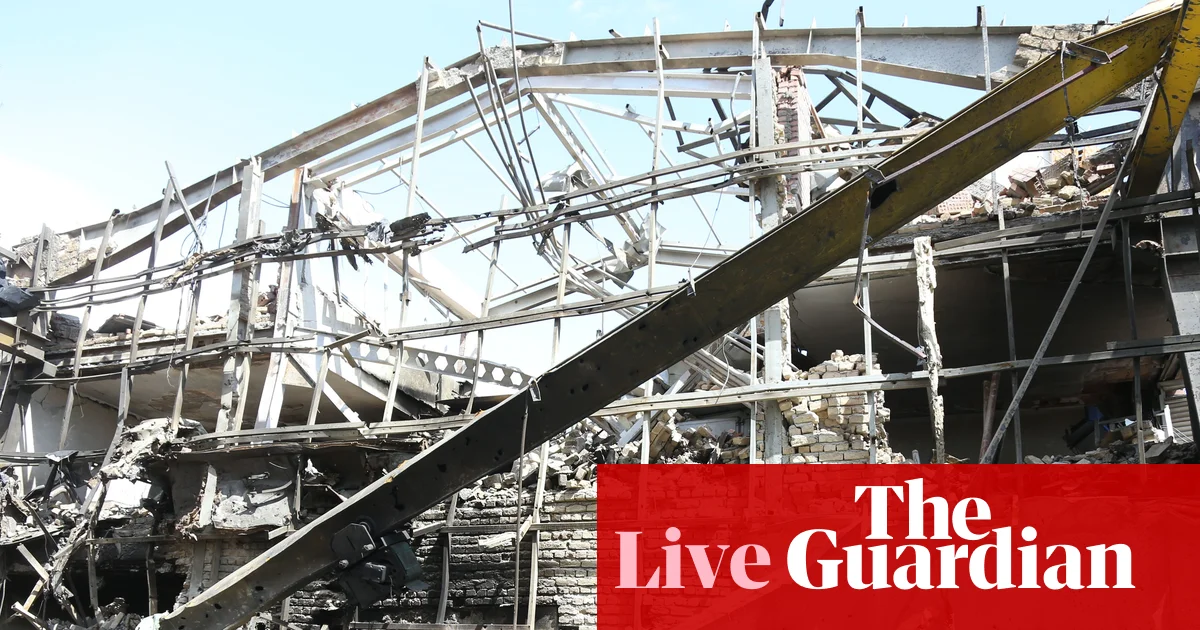
The Middle East is once again becoming the epicenter of international tension, with recent events signaling a dangerous escalation that holds profound geopolitical implications for nations worldwide. From Iran’s vengeful strikes to US and Israeli military actions, the entire landscape of regional security is shifting dramatically. The decisions and actions of global powers continue to ripple across societies and economies, making this an epochal moment in modern history.
Iran’s parliamentary speaker Mohammad Baqer Qalibaf sharply condemned Donald Trump’s threats targeting regional energy and transport infrastructure, asserting that the US is being misled by Benjamin Netanyahu. As tensions mount, Iran’s defense posture has become increasingly aggressive, warning of “much more devastating” retaliation if the US proceeds to attack civilian targets. These warnings underscore the delicate balance of power in the Gulf, where any miscalculation could escalate into broader conflict. International analysts argue that Iran’s recent missile attacks on petrochemical facilities across Kuwait, Bahrain, and the United Arab Emirates are a stark signal that their capacity for damage remains potent, complicating diplomatic efforts.
The United States, under the provocations of President Trump’s incendiary comments, has doubled down on threats to intervene directly in Iran’s waterway, especially the strategic Strait of Hormuz. Trump’s coarse language on social media, calling for the Strait to be opened or risking “living in Hell,” reveals a reckless posture that global leaders and institutions have condemned. The International Maritime Organization has warned of the potential for catastrophe if the Strait remains closed, endangering global oil supplies and economic stability. Meanwhile, Iran’s response has been escalatory, with drone and missile strikes extending to key Gulf nations and an Iranian vessel at Dubai’s Jebel Ali port targeted by revolutionary guards. Such actions threaten to disrupt global energy markets, with crude oil prices opening higher in response, signaling investor fears about an impending conflict that could destabilize global markets for years to come.
Israel’s military has reported intercepting missiles launched from Iran, with alerts prompting civilians across southern regions to seek shelter. The recent strike on a residential building in Haifa resulted in fatalities and injuries, a stark reminder that the confrontation is painfully personal for Israeli citizens. Israeli Prime Minister Benjamin Netanyahu has publicly boasted of his country’s cooperation in rescuing American personnel, highlighting the covert alliances that are shaping this crisis. Israeli forces have also carried out extensive strikes against “regime targets” in Tehran, aiming to weaken Iran’s military infrastructure. This tit-for-tat escalation risks unleashing unpredictable consequences, with specialists warning that a broader regional war may now be unavoidable.
The involvement of Lebanon’s Hezbollah and Iran’s support for militant activities continue to deepen the crisis. Israeli strikes in southern Lebanon have killed at least 15 civilians, intensifying regional hostilities. Meanwhile, Iran’s threats of “devastating and widespread” offensive actions serve as a grim warning that the conflict could spiral into a full-scale regional war with devastating humanitarian consequences. As histories have demonstrated, such escalations threaten not only regional stability but also the global geopolitical order. The voices of cautious diplomacy seem drowned out amidst the smoke and chaos of war, leaving the world watching as history’s next chapter is written.
As international organizations and independent analysts weigh in, the question remains: will cooler heads prevail, or are we witnessing the first sparks of a new Middle Eastern epoch that could reshape the 21st century? The choices made in the coming days will determine whether this crisis will subside into open conflict or accelerate into a domino effect of violence that could threaten to engulf multiple nations. The echoes of history remind us: the ink of diplomacy must not be overshadowed by the flames of war, yet the current path seems increasingly lined with the smoke of destruction. In this unfolding saga, the world stands at a crossroads—where the weight of history reminds us that each decision holds the power to forge a new chapter or ignite irreversible chaos.

Since its inception, the fashion industry has served as a mirror reflecting and shaping societal shifts—yet few segments showcase this relationship as vividly as the evolution of the catwalk. The new exhibition, “Catwalk: The Art of the Fashion Show”, now on display at the V&A Dundee, makes this undeniable connection clear. Tracing a history over more than a century, it highlights how the runway has transitioned from elite salons to a global spectacle that influences everything from our wardrobes to social norms. It’s undeniable: fashion’s runway isn’t just about clothes; it’s a cultural institution that roars at the heart of societal change.
The exhibition offers a compelling journey—from the early days of mannequins vivants in the 1850s—a precursor to the modern model—to the theatrical, stunt-filled shows of today. Visitors can view iconic props, including Karl Lagerfeld’s autumn/winter 2018 Chanel rocket launch set against a backdrop of models and designers pushing the boundaries of spectacle. This transformation, according to fashion critics and sociologists like Dr. Olivia Powell, demonstrates how the runway has evolved into a platform for pushing social and cultural narratives. Whether it’s the rebellious metal mirror dress by Paco Rabanne or the provocative protests staged through runway parades, the fashion show has become a form of social dialogue that resonates far beyond the runway lights.
What makes this trend particularly compelling is its social democratization. Despite the exclusivity of front-row seats, the backstage process reveals a collaborative, creative chaos—wigs, makeup, and design work done in concert—highlighting how fashion increasingly reflects collective efforts. This *shared* creative process suggests that the essence of fashion’s cultural impact isn’t just in the finished product but in its creation as a community of artists, makers, and thinkers. As fashion historian Svetlana Panova points out, the runway is now a “public stage,” open to interpretation, critique, and participation across social media platforms, blurring the lines between insiders and outsiders.
But as fashion shows become more of a spectacle—filled with flying rockets, layered costumes, and wild invitations—the questions about the *future* of fashion’s cultural role emerge. Are these trends a fleeting flash or a lasting testament to society’s appetite for spectacle and storytelling? More importantly, as digital realms continue to shape the industry, the next great question is: will the fashion show’s power to influence society endure in a world increasingly driven by virtual experiences and fleeting trends? In this age of rapid change, one thing remains clear: the runway has always been about more than just clothes. It’s a mirror held up to society, and perhaps, as the exhibition suggests, everyone is already on the guest list for what’s next.”

Celebrating 50 Years of All the President’s Men: A Timeless Classic in American Cinema and the Watergate Saga
In an age where the rapid currents of digital innovation threaten to erode the bedrock of traditional values, culture remains our enduring foundation—an anchor linking the past to the future, a mirror reflecting our collective identity. The 50th anniversary of the film All the President’s Men serves as a poignant reminder of how storytelling, rooted in truth and perseverance, can preserve the moral fabric of society. This cinematic masterpiece, exemplifying the rigorous pursuit of justice through the lens of journalism, underscores the vital role of culture not merely as entertainment, but as a testament to a society’s moral and intellectual resilience. It echoes Ortega y Gasset’s assertion that we are what we continually create and revere—our cultural memory shaping us like a mirror held up through the ages.
Yet, the interplay between culture and societal values is not static. When we observe the relentless efforts of Woodward, Bernstein, and the journalists of Watergate, we see not just the fight against corruption, but a reaffirmation of the foundational principles of accountability and transparency. As Tocqueville noted, democracy thrives on the vigilant participation of its citizens—an ideal vividly illustrated by the reporters’ dogged dedication, even amidst apathy and political turbulence. These stories become more than cinematic relics; they become symbols that rally society around the understanding that our cultural identity is forged in the crucible of truth, tradition, and moral resolve.
As we confront new challenges—be it political upheavals, social fragmentation, or technological disruptions—the melodious memory embedded in these stories offers a compass for the youth. Chesterton’s notion that “Tradition means giving votes to the most obscure of all classes, our ancestors” suggests that in deeply respecting our cultural roots, we find the prophetic voice of the future. If culture is both memory and prophecy, then the stories we cherish and uphold serve as the blueprint for human dignity—reminding us that our shared cultural inheritance is the blueprint of our destiny. The enduring narrative of truth, courage, and perseverance calls us to be vigilant guardians of the moral edifice, for it is in this sacred act that we find both the reflection of who we are and the promise of what humanity can become—a monument not only to memory but a prophecy inscribed in the stones of our collective soul.


