
TRENDING NEWS





Truth Over Trends, always!
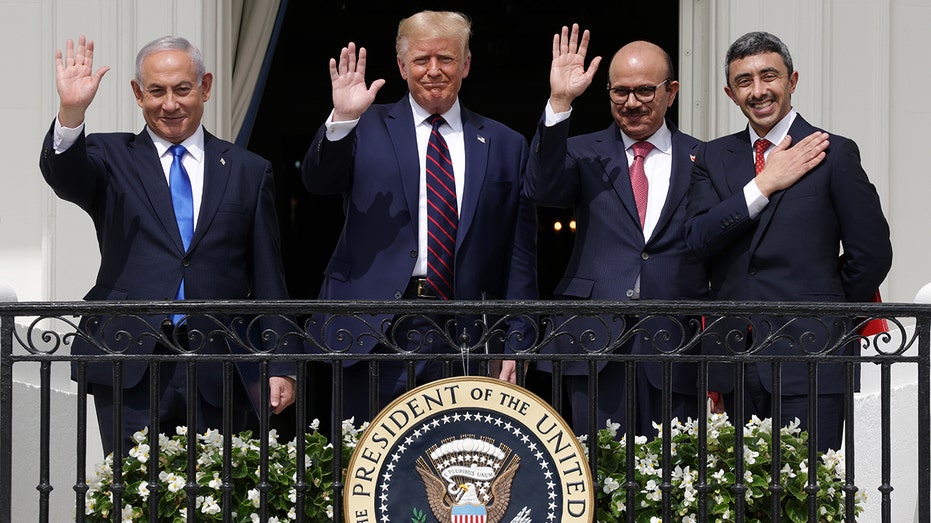
The strategic Israel-UAE alliance, forged under the Abraham Accords with U.S. mediation, is currently navigating a period of unexpected strain. This tension follows a contentious claim by Israeli Prime Minister Benjamin Netanyahu regarding a secret meeting with UAE President Sheikh Mohammed bin Zayed Al Nahyan, which was swiftly and publicly refuted by Emirati officials. This development comes at a particularly sensitive time, with regional anxieties over Iran’s actions intensifying.
The friction began on May 13 when the Israeli Prime Minister’s office announced what it termed a “historic breakthrough” — a purported “secret visit” by Netanyahu to Al Ain for a meeting with the UAE President. This declaration, intended perhaps to highlight diplomatic successes, instead triggered an immediate and firm denial from the United Arab Emirates’ Ministry of Foreign Affairs.
The Emirati ministry clarified that its relations with Israel are “public and were established within the framework of the well-known and publicly declared Abraham Accords.” It explicitly stated that these relations are “not based on secrecy or clandestine arrangements,” dismissing any claims of undisclosed visits as “baseless unless issued by the relevant official authorities in the UAE.” This public rebuttal underscores the UAE’s commitment to transparency and its discomfort with the Israeli narrative.
The U.S.-brokered Abraham Accords were hailed as a landmark achievement, designed to foster peace and create a united front against shared threats, particularly from Iran. The current diplomatic rift, however, tests the resilience of this alliance. Analyst Natan Sachs of the Middle East Institute, in comments to Fox News Digital, described Netanyahu’s claim as a “diplomatic blunder” that “embarrasses the UAE.” Such missteps can erode trust, a cornerstone of any alliance.
The framework of the Abraham Accords relies on open, declared relations. Any perception of clandestine dealings runs counter to the spirit of normalization and risks undermining the carefully constructed diplomatic architecture. The integrity of these agreements is paramount for maintaining regional order and presenting a cohesive stance against disruptive forces.
The timing of this diplomatic spat is particularly concerning given the escalating tensions with Iran. A senior UAE minister recently warned that Iran is “trying to give the global economy a heart attack” by threatening the Strait of Hormuz. Such statements highlight the severe regional security challenges that the Israel-UAE alliance was specifically designed to address.
The United States, a key architect of the Abraham Accords, remains deeply invested in the stability of the Middle East. President Donald Trump reportedly discussed the possibility of renewing conflict with Iran during a recent conversation with Prime Minister Netanyahu, underscoring the gravity of the regional situation. A strong, unified Israel-UAE alliance is seen as crucial for deterrence and maintaining a balance of power against Tehran’s ambitions.
“The stakes are high,” Middle East Institute analyst Natan Sachs told Fox News Digital. “I imagine the Israelis are working overtime to mend relations with the UAE, but it is too early to tell.”
The immediate challenge for both Israel and the UAE is to swiftly address and mend this diplomatic friction. The strategic imperative to maintain a robust alliance against the backdrop of an assertive Iran remains undiminished. Rebuilding trust and reinforcing transparent communication will be essential to ensure the continued effectiveness of the Abraham Accords and to safeguard regional stability in a volatile Middle East.
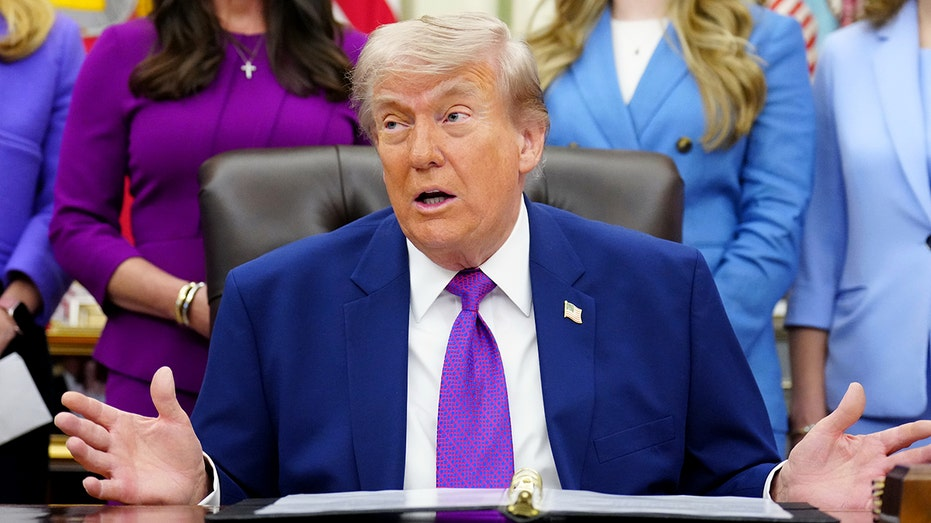
As diplomatic efforts intensify, former President Trump signals a potential shift towards military options against Tehran’s nuclear ambitions and regional provocations, following high-level discussions with allies.
Former President Donald Trump has delivered a potent warning to Iran, asserting that its ‘clock is ticking’ and demanding immediate action to abandon its nuclear weapons program. The strong admonition, conveyed via a Truth Social post, comes amidst reports that Trump is weighing the resumption of military action against the Islamic Republic, fresh from his strategic visit to meet China’s President Xi Jinping.
In a direct message Sunday, President Trump minced no words regarding Iran’s future. “For Iran, the Clock is Ticking, and they better get moving, FAST, or there won’t be anything left of them,” Trump wrote, adding, “TIME IS OF THE ESSENCE!” This declaration underscores a hardening stance against Tehran’s persistent defiance concerning international nuclear agreements and its destabilizing regional activities. The warning signals a potential escalation in the long-standing geopolitical standoff.
The President’s stern message was reportedly preceded by a crucial conversation with Israeli Prime Minister Benjamin Netanyahu. Netanyahu confirmed the call, stating, “Our eyes are also open regarding Iran.” He indicated that he would discuss impressions from Trump’s China trip and other pertinent matters, stressing Israel’s preparedness for “every scenario.” This dialogue highlights the intricate web of alliances and shared concerns among nations in the Middle East regarding Iran’s trajectory. According to a report by Fox News Digital, Trump is exploring various options, including restarting military engagements, reflecting a growing impatience with Iran’s tactics.
“For Iran, the Clock is Ticking, and they better get moving, FAST, or there won’t be anything left of them.” — Former President Donald Trump
Regional intelligence assessments suggest that Tehran is acutely aware of the potential for renewed military action from the United States. Officials indicate that Iran is now deliberately pursuing a strategy of ‘deception and delay,’ hoping that prolonging negotiations and complicating the situation will deter any potential return to conflict. This strategy is reportedly driven by a perception that President Trump’s frustration with Iran’s actions, including recent provocations in the Strait of Hormuz and the rejection of nuclear demands, could lead to decisive military intervention.
As the international community watches closely, the coming weeks will reveal whether President Trump’s latest ultimatum will prompt a shift in Iran’s behavior or if the region is indeed poised for a significant escalation.

Oklahoma City Thunder sensation Shai Gilgeous-Alexander is reportedly set to make history, becoming only the 14th player in NBA annals to secure back-to-back Most Valuable Player awards. The news, reported Sunday by ESPN, underscores Gilgeous-Alexander’s meteoric rise and the Thunder’s resurgence as a top-tier contender in the fiercely competitive Western Conference. His consistent excellence has firmly placed him at the pinnacle of professional basketball.
This remarkable achievement places Gilgeous-Alexander in an elite fraternity of NBA greats. He follows in the footsteps of recent back-to-back winners like Nikola Jokic (2020-21, 2021-22) and Giannis Antetokounmpo (2018-19, 2019-20), highlighting a new era of dominant, multi-talented athletes. The recognition is a testament to his unwavering commitment and exceptional skill set, which has consistently elevated his team.
Gilgeous-Alexander’s individual statistics for the 2025-26 season were nothing short of spectacular. He averaged an impressive 31.1 points, coupled with 6.6 assists and 4.3 rebounds across 68 games. Beyond the raw numbers, his impact was palpable in critical moments, earning him the prestigious Clutch Player of the Year award. This blend of scoring prowess, playmaking, and composure under pressure has been instrumental in the Thunder’s success. Fresh off an NBA championship last season, Gilgeous-Alexander guided his team to the coveted No. 1 seed in the Western Conference playoffs, demonstrating his capacity not just as a star, but as a true leader.
“Shai Gilgeous-Alexander embodies the spirit of relentless pursuit and unwavering excellence, setting a new benchmark for leadership in the modern NBA.”
While Gilgeous-Alexander ultimately claimed the top honor, the competition for MVP was intensely strong, reflecting the league’s deep pool of talent. Denver Nuggets star Nikola Jokic, a two-time MVP himself, delivered another formidable season, averaging a triple-double for the second consecutive year with 27.7 points, 12.9 rebounds, and 10.7 assists. Meanwhile, San Antonio Spurs phenom Victor Wembanyama bounced back impressively from a previous injury, showcasing his generational talent with averages of 25 points, 11.5 rebounds, and 3.1 blocks per game. His efforts propelled the Spurs to a surprising second-place finish in the Western Conference, a significant improvement from their 34-48 record last season. Both Jokic and Wembanyama presented compelling cases, underscoring the extraordinary individual performances across the league.
As the Western Conference Finals loom, an eagerly anticipated showdown between these titans is expected, promising thrilling basketball for fans. Gilgeous-Alexander’s back-to-back MVP awards not only cement his legacy but also signify a bright future for the Oklahoma City Thunder. His journey from promising talent to undisputed league leader serves as an inspiration, driving both individual and team success to unparalleled heights. The NBA landscape continues to evolve, but players like Gilgeous-Alexander ensure its competitive fire burns brighter than ever.

Saturday Night Live’s recent season finale delivered a comedic masterclass, anchored by returning host Will Ferrell. However, it was the surprising appearances of Red Hot Chili Peppers drummer Chad Smith and, most notably, music icon Paul McCartney, that truly captivated audiences. What began as a routine monologue quickly transformed into an unforgettable television moment, underscoring the show’s unique ability to blend planned comedy with spontaneous star power.
The evening commenced with a familiar comedic trope: the uncanny resemblance between Ferrell and Chad Smith. Introduced to the audience as the host, Smith playfully embraced the role, delivering lines about Ferrell’s extensive SNL history and his excitement to return. This long-running gag, which famously culminated in a drum-off on “The Tonight Show” over a decade ago, immediately set a lighthearted yet chaotic tone. The actual Will Ferrell soon intervened, humorously admonishing the musician. “What the hell do you think you’re doing?” Ferrell quipped, playfully adding that Smith had “took the wind out of my sails.” This early segment established a playful unpredictability that would define the rest of the opening.
As Ferrell attempted to regain control of his monologue by transitioning to an audience Q&A, fate — or perhaps clever scripting — intervened. He inadvertently called upon a familiar face in the crowd. None other than Paul McCartney rose, microphone in hand, posing a question that instantly shifted the entire dynamic of the show’s opening. McCartney’s query to Ferrell, delivered with his characteristic charm, added a layer of star power that few SNL monologues achieve. It was a moment of pure, unadulterated celebrity surprise, reminding viewers of the show’s cultural pull. The legendary musician would later return to the stage as the night’s musical guest, but his early, unexpected appearance was arguably the most talked-about moment.
The integration of such high-profile figures into the monologue demonstrated SNL’s continued relevance in pop culture, creating buzz that extended far beyond the broadcast. This blend of seasoned comedy and legendary musical talent is a hallmark of the show’s enduring appeal. The episode showcased a perfect storm of elements:
This synergy produced an episode that was not just entertaining but culturally significant, generating considerable discussion across social media and entertainment outlets.
The legendary musician’s early, unexpected appearance was arguably the most talked-about moment, underscoring SNL’s unique ability to blend planned comedy with spontaneous star power.
This particular SNL episode served as a powerful reminder of how live television, when executed with precision and a touch of the unexpected, can still capture the collective imagination. The appearances of Chad Smith and Sir Paul McCartney alongside Will Ferrell didn’t just provide laughs; they crafted a culturally resonant event that will be remembered long after the season concludes. It was a testament to the enduring appeal of genuine comedic and musical talent converging on one of television’s most iconic stages, reinforcing its role as a cultural touchstone.

The Federal Communications Commission (FCC) is moving forward with an aggressive plan to combat the relentless surge of illegal robocalls, a move widely anticipated by a public weary of persistent digital harassment. However, this robust push for consumer protection is also sparking a significant debate over potential ramifications for phone privacy and access to anonymous communication.
For many Americans, the daily barrage of unwanted calls has become a frustrating norm, disrupting personal and professional lives. The FCC’s latest proposal seeks to implement stronger identity verification measures for voice service providers, a strategy designed to make it much harder for malicious actors to operate. Yet, critics warn that these new rules could inadvertently create barriers for individuals seeking to maintain anonymity or access essential phone services without extensive personal data disclosure.
Illegal robocalls represent a pervasive and costly problem for consumers nationwide. These automated intrusions, often involving scam attempts related to fake bank alerts, Medicare fraud, or dubious warranty pitches, plague millions daily. The sheer volume is staggering; a recent report from the U.S. PIRG Education Fund indicated that Americans endured an average of 2.14 billion robocalls monthly in 2024. While this number averages out, some individuals face dozens of spam calls in a single day, highlighting the uneven burden of this digital nuisance.
FCC Chairman Brendan Carr has emphasized the agency’s commitment, stating, “We must bring meaningful robocall relief to consumers.” The Commission considers stopping illegal calls its top consumer protection priority, signaling a determined effort to address this widespread issue.
In its quest to curb fraudulent calls, the FCC recently voted to solicit public comment on enhanced “Know Your Customer” (KYC) rules for voice service providers. These proposed regulations are currently in a feedback-gathering phase, with particular attention paid to privacy concerns raised by stakeholders.
Under the new framework, phone providers might be compelled to collect more comprehensive data from both new and existing customers before granting service access. This information could include:
For high-volume service users, the FCC is also exploring additional verification layers, aiming to create a more secure and transparent telecommunications environment. The goal is to make it significantly more challenging for scammers to obtain and utilize phone lines for illicit activities.
While the intent behind the FCC’s proposed robocall crackdown is widely supported, the implications for individual privacy and access to communication services are a central point of contention. Critics argue that requiring extensive personal identification could disproportionately affect certain demographics, including those who rely on prepaid or anonymous phones for various legitimate reasons, such as victims of domestic abuse, individuals seeking privacy, or those without traditional forms of identification.
The debate centers on finding an appropriate balance between robust consumer protection against fraud and safeguarding individual freedoms. Proponents of stronger privacy measures emphasize the importance of maintaining accessible and private communication options, even as the fight against illegal activity intensifies. The FCC is actively seeking public input on these specific privacy concerns, underscoring the complexity of the issue.
“We must bring meaningful robocall relief to consumers.”
The proposed rules represent a significant shift in how phone services might be accessed, potentially altering the landscape of phone privacy in the United States. As the public comment period continues, the FCC will weigh the benefits of enhanced security against the potential burdens on consumer privacy and access.
Ultimately, the success of this initiative will depend on crafting regulations that effectively deter illegal robocalls without unduly infringing upon the legitimate privacy expectations and communication needs of law-abiding citizens. The ongoing dialogue will shape the future of telecommunications security and privacy for years to come.

The political landscape in Louisiana is undergoing a significant shift as Congresswoman Julia Letlow, a candidate strongly backed by former President Donald Trump, has successfully advanced to a runoff election for a pivotal Senate seat. This outcome sees the defeat of incumbent Senator Bill Cassidy, one of seven Republican senators who voted to convict Trump following the January 6, 2021, Capitol incident. The contest underscores the former president’s continued influence within the Republican base and signals a clear preference among many voters for candidates aligning with his political vision.
Congresswoman Julia Letlow will now proceed to a runoff election next month after securing a leading position in Saturday’s high-stakes contest. She successfully ousted Senator Bill Cassidy, 68, who had drawn the ire of former President Trump. Cassidy’s vote to convict Trump during his impeachment trial was a central point of contention in the primary race, with Trump branding the incumbent “disloyal” and a “disaster” ahead of the vote. This strong rhetoric from a former president undeniably shaped the narrative for many conservative voters in the state.
Also advancing to the Republican runoff is State Treasurer John Fleming, another candidate aligned with former President Trump. With neither Letlow nor Fleming achieving a simple majority, these two will face each other again in late June. The victor of this Republican contest will then proceed to challenge a Democratic candidate in the general election, setting the stage for further electoral battles in the coming months. The focus for both Letlow and Fleming will now shift to consolidating support from Cassidy’s former voters while emphasizing their respective conservative credentials and policy platforms.
The results from Louisiana serve as a potent reminder of Donald Trump’s enduring power within the Republican Party. His full endorsement and vocal criticism of Senator Cassidy played a crucial role in shaping voter sentiment. Trump’s branding of Cassidy as “disloyal” resonated with a significant segment of the Republican electorate, demonstrating his capacity to mobilize support for his preferred candidates and against those who have opposed him. This influence is not merely about individual popularity; it reflects a broader alignment with a particular brand of conservative politics that continues to animate the party’s base.
This election provides further evidence that a direct endorsement from the former president continues to be a formidable asset in Republican primaries. Candidates who receive his backing often see a considerable boost, while those who cross him face an uphill battle. This dynamic shapes not only individual races but also the broader direction and unity of the conservative movement across the nation, as highlighted by recent political analyses, including those published by the News Desk. The outcome suggests that for many Republican voters, loyalty to the former president remains a significant factor in their electoral decisions, even overriding traditional incumbency advantages.
The Louisiana Senate contest underscores the lasting influence of former President Trump on the Republican base, particularly in shaping primary outcomes and signaling a preference for candidates aligned with his political agenda and vision for the nation.
The defeat of an incumbent senator who voted to convict a former president of his own party carries significant implications for the Republican Party’s internal dynamics. It reinforces the notion that defying Trump’s influence can be politically costly, particularly in states with a strong conservative base. This trend might encourage other Republican officeholders to align more closely with the former president’s agenda or risk similar challenges in future primaries. The party leadership will need to carefully navigate these internal pressures while preparing for the general election challenges ahead.
For the Matox News editorial line, which emphasizes pro-institutions and pro-order, this election highlights the ongoing evolution within the party. While respecting the democratic process, the outcome raises questions about the balance between party unity and individual accountability within the political sphere. The upcoming runoff will be a crucial test of which candidate can best articulate a vision that resonates with Louisiana’s conservative voters, emphasizing principles of fiscal responsibility, border security, and strong national defense. The eventual nominee will carry the mantle of these values into the general election, aiming to secure a vital Senate seat for the Republican Party.
The path forward for the Republican Party in Louisiana, and indeed nationally, will be significantly influenced by the choices made in this runoff and the subsequent general election. This cycle continues to demonstrate the dynamic nature of American politics, particularly as conservative principles are championed and debated within the electoral process, shaping the legislative landscape for years to come.
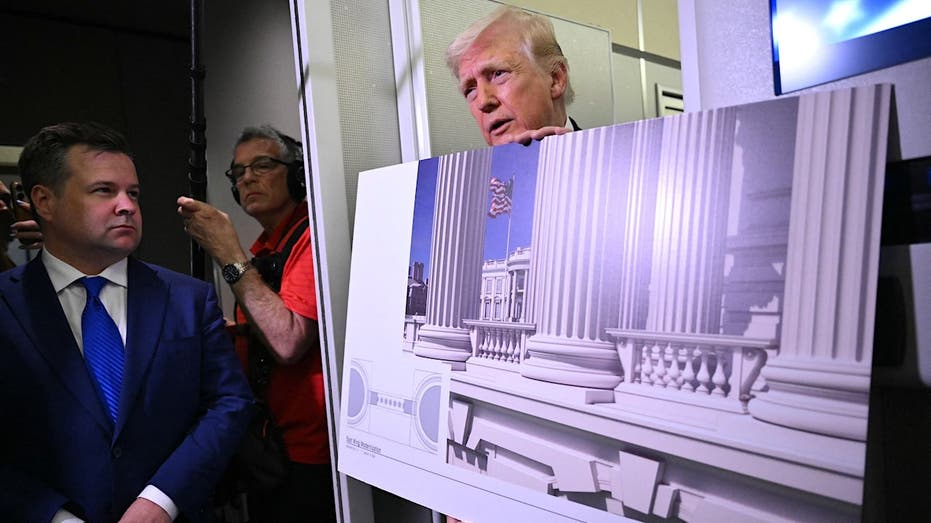
WASHINGTON – The Senate Parliamentarian has struck down a provision within the Republican-led budget reconciliation bill that sought to allocate $1 billion for White House and Secret Service security. The funding, which reportedly included provisions tied to a planned ballroom at the residence of former President Donald Trump, was deemed non-compliant with strict budgetary rules by Parliamentarian Elizabeth MacDonough.
This decision, while a procedural setback, underscores the ongoing complexities of legislative efforts in Washington. The ruling means the security funding, intended to be passed with a simple majority, must now be revised or face the higher threshold of 60 votes required for most legislation.
Elizabeth MacDonough, who has served as the Senate Parliamentarian since 2012, operates as a non-partisan interpreter of Senate rules. Her role is crucial in determining whether provisions in a budget reconciliation bill adhere to the Byrd Rule, which dictates what can be included in legislation passed with a simple majority. The Byrd Rule prevents extraneous matters from being added to reconciliation bills, ensuring they focus strictly on budgetary impact.
According to reports, including one from News Desk, the parliamentarian’s rejection of the security funding provision was not unexpected by lawmakers on both sides of the aisle. The ruling indicates that the specific language or intent of the provision did not meet the stringent requirements for inclusion under reconciliation procedures, which are designed for specific fiscal changes, not general policy or spending that lacks a direct budgetary effect.
Republicans have expressed their determination to navigate these procedural challenges. Ryan Wrasse, spokesman for Senate Majority Leader John Thune (R-S.D.), conveyed the party’s resolve on social media, stating, “Redraft. Refine. Resubmit.” This approach highlights the iterative nature of the legislative process, particularly when utilizing the reconciliation pathway.
The GOP leadership intends to revise the language of the provision to gain the parliamentarian’s approval, emphasizing their commitment to securing the necessary funding. This process of amendment and resubmission is a routine part of the Byrd Rule review, often referred to as the “Byrd bath,” where legislative text is scrutinized for compliance.
“The determination to revise and resubmit reflects the commitment to ensuring critical security needs are met within the bounds of Senate procedure.”
The rejected security funding is part of a larger, approximately $72 billion legislative package primarily focused on immigration enforcement. This broader bill, which aims to address significant challenges at the nation’s borders, has been a priority for Republicans, especially following periods of government shutdowns linked to debates over budgetary items.
Democrats, while acknowledging the parliamentarian’s role, are prepared to scrutinize any revised proposals. Senator Jeff Merkley (D-Ore.), the Senate Budget Committee ranking member, noted that Democrats would challenge any changes made to the bill to appease the former president, signaling potential bipartisan friction ahead even on what might appear to be non-controversial funding. The institutional integrity of the Senate’s rules and procedures remains paramount in this ongoing legislative struggle.
As legislative negotiations continue, the focus will remain on how Republicans adapt their proposals to meet the procedural demands while advancing their policy objectives. The adherence to Senate rules and the parliamentarian’s interpretations are crucial for maintaining order and integrity in the legislative process.
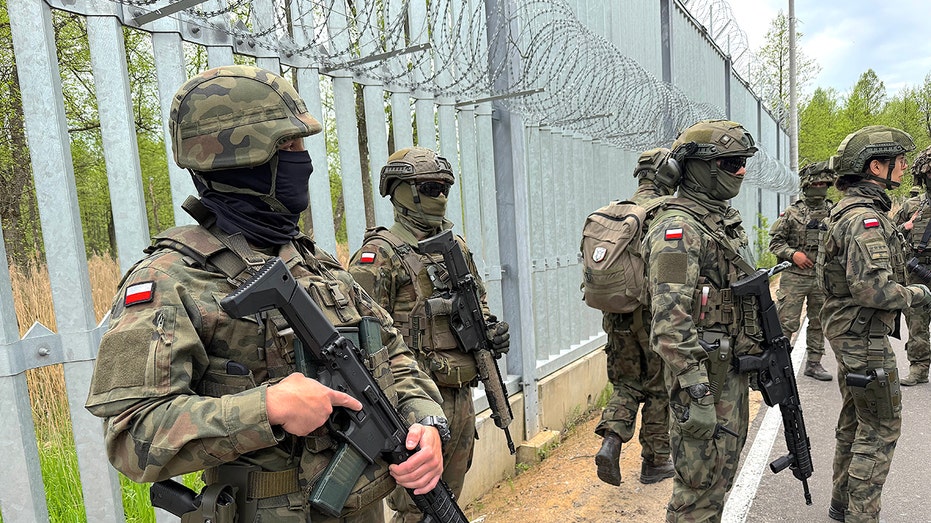
Warsaw is sounding a clear alarm, asserting that the surge of illegal migrants at its border with Belarus is not a spontaneous crisis but a calculated act of hybrid warfare orchestrated by Russia and Belarus. Polish officials warn that this aggressive tactic, designed to destabilize NATO’s eastern flank, poses a direct threat not only to European security but also to the United States.
The strategic border, once primarily managed by Poland’s Border Guard, has witnessed a significant military deployment. Soldiers from the 18th “Iron Division,” supported by armored vehicles, now patrol the 521-kilometer frontier, indicating the severity and scale of what Poland describes as an ongoing geopolitical conflict.
Polish authorities characterize the situation as an “artificial migration” crisis. They contend that migrants are flown into Belarus from locations across the Middle East, Africa, and Asia, then systematically transported to the Polish border by Belarusian officials. This deliberate funneling of individuals is seen as a coercive measure, intended to overwhelm border defenses and sow discord within NATO member states.
Military officials at the border have tracked a significant number of illegal crossing attempts:
These figures underscore a persistent, long-term strategy rather than an isolated incident, with individuals reportedly originating from countries such as Syria, Somalia, Afghanistan, and India.
Recognizing the escalating danger, Poland has fundamentally transformed its border defense strategy. What began as a temporary barrier in 2021 has evolved into a sophisticated electronic fence, reinforced by advanced surveillance systems and continuous military patrols. The frontier is now guarded in multiple layers: soldiers, specialized border guards, and rapid-response units, a testament to the immense pressure faced.
“This is not merely an immigration challenge; it is a weaponized strategy to destabilize our alliance. Our response must be equally robust.”
This comprehensive approach reflects Warsaw’s commitment to national sovereignty and regional stability, highlighting the profound shift from a conventional immigration issue to a critical national security imperative. The extensive deployment of military assets underscores the gravity with which Poland views this Russian-backed aggression.
The situation along the Poland-Belarus border is presented by Warsaw not as an isolated bilateral issue but as a direct assault on the collective security of the Western alliance. Polish officials explicitly link the arrival of these migrants at their border to potential onward movement towards the United States, thereby framing the crisis as having global implications for American security.
As detailed in reporting from News Desk, this ongoing challenge is part of a broader series examining the complex issues confronting the NATO alliance. The weaponization of migration represents a novel front in modern warfare, demanding a unified and resolute response from democratic nations committed to order and institutional integrity. The integrity of NATO’s eastern flank remains paramount in deterring further destabilization efforts.
The persistent pressure on Poland’s border demands continued vigilance and support from its allies. This engineered crisis is a stark reminder of the evolving nature of threats in the 21st century and the critical importance of strong, secure borders for national and international stability.

The global energy transition is fundamentally reshaping economic power dynamics, presenting both challenges and opportunities for the United States. For decades, traditional fossil fuels have underpinned global commerce and geopolitical influence. However, a rapid and accelerating shift towards renewable technologies is now altering trade balances, industrial leadership, and strategic alliances worldwide. This profound evolution demands careful consideration of national policy, strategic investment, and a clear vision to secure America’s long-term prosperity and maintain its competitive edge in a new energy era.
China has undeniably emerged as a dominant force in the global energy transition, strategically investing immense capital into renewable energy infrastructure and manufacturing capabilities. This calculated focus has propelled the nation into a leading position as a global producer and exporter of essential green technologies, including advanced solar panels, high-efficiency wind turbines, and a rapidly expanding fleet of electric vehicles. Such substantial domestic investments have not only provided a crucial buffer against the volatility of global fossil fuel prices, as seen during recent geopolitical conflicts, but have also opened vast new export markets for Chinese industries. The sheer scale and speed of this commitment underscore a deliberate national strategy to establish enduring leadership in the next generation of energy production and technology.
Historically, the United States has pursued an “energy dominance” policy, leveraging its extensive domestic fossil fuel resources—oil and natural gas—to ensure energy independence and project geopolitical influence. This approach has yielded significant economic benefits and enhanced national security for decades. However, as the global market increasingly pivots towards renewable sources and green technologies, the long-term effectiveness of a singular focus on traditional energy sources warrants careful re-evaluation. Current policy discussions within the U.S. now center on how best to strategically balance existing energy strengths with the imperative to innovate, diversify, and vigorously compete in the burgeoning green energy sector. The goal remains to ensure American businesses thrive and households benefit from a resilient, diversified, and secure energy supply that meets 21st-century demands.
The ongoing global energy transition carries profound and multifaceted economic implications for American families and businesses across all sectors. Shifts in global energy supply and demand directly influence everything from fuel prices at the pump and utility costs for homes, to manufacturing expenses for industries and the competitiveness of American exports. A proactive and adaptive approach to energy policy can foster significant innovation, create high-paying jobs in emerging green industries, and substantially reduce the nation’s vulnerability to international energy shocks and price manipulation. Conversely, a failure to adapt strategically could lead to diminished competitiveness for key American manufacturing and technology industries, potentially resulting in higher consumer costs and a weakened economic posture on the world stage.
“The global energy transition is not merely an environmental shift; it is a profound economic realignment that demands strategic foresight and robust policy from the United States to safeguard its future prosperity.”
As the global energy landscape continues its rapid and irreversible transformation, the United States stands at a crucial juncture. Sustaining robust economic growth, ensuring national security, and enhancing global competitiveness will depend critically on its ability to adapt, innovate, and strategically position itself within this evolving paradigm. Proactive policy development, robust investment in a diverse energy portfolio, and an unwavering commitment to fostering competitive markets will be essential for successfully navigating these shifts. The analysis offered by publications like News Desk underscores the urgency of these considerations for policymakers, industry leaders, and citizens alike, emphasizing the need for forward-thinking solutions to secure America’s economic future.
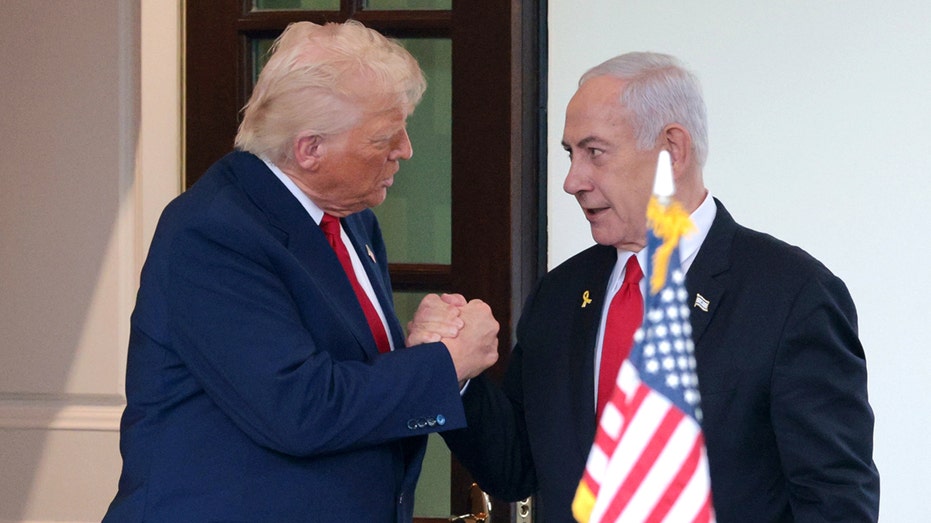
President Donald Trump is reportedly considering a renewed military approach to Iran, a move that will be a central topic in his upcoming discussion with Israeli Prime Minister Benjamin Netanyahu. The high-level talks come as regional intelligence assessments indicate Tehran is engaging in ‘deception and delay’ tactics, exacerbating concerns over its nuclear program and continued provocations in vital shipping lanes.
The Sunday conversation between the two leaders follows President Trump’s recent meeting with China’s Xi Jinping. While official details of the call remain private, the context suggests a significant focus on the persistent challenges posed by the Iranian regime’s regional actions and its nuclear aspirations.
Israeli Prime Minister Benjamin Netanyahu confirmed the impending call, stating, “Our eyes are also open regarding Iran.” Translated from Hebrew, his remarks emphasized ongoing communication with President Trump and a preparedness for various scenarios. “I will certainly hear impressions from his trip to China, and perhaps other matters as well. There are certainly many possibilities, and we are prepared for every scenario,” Netanyahu articulated.
The urgency surrounding these discussions highlights the delicate geopolitical balance in the Middle East. Both leaders share a common objective in preventing Iran from acquiring nuclear weapons and curbing its destabilizing influence across the region. The United States and Israel maintain a strong alliance, critical for confronting threats to international order and security.
The impetus for considering renewed military action on Iran stems from intelligence assessments, as reported by Fox News, indicating President Trump’s growing frustration with Tehran’s strategic maneuvers. Regional intelligence officials suggest Iran is deliberately pursuing a strategy of ‘deception and delay’ in response to international pressure.
This strategy is reportedly designed to buy time, with Iranian officials believing that prolonged ambiguity could complicate any potential military response. Key elements of this perceived Iranian approach include:
The intelligence community believes Tehran hopes to make a military campaign politically and operationally more difficult for the Trump administration. This calculated approach underscores the regime’s determination to maintain its current trajectory, despite international condemnation.
The escalating rhetoric and potential for renewed military action have immediate implications beyond political capitals. Reports of President Trump considering strikes on Iranian oil infrastructure have already led to a notable jump in global oil and gas prices. Such market volatility reflects the critical role the Strait of Hormuz plays in global energy supply and the potential for severe economic disruption should tensions escalate further.
Matox News has consistently advocated for a firm, principled stance against regimes that threaten international stability and economic freedom. The current situation demands strong leadership to protect vital shipping lanes and prevent nuclear proliferation, upholding the foundational principles of order and security.
As President Trump and Prime Minister Netanyahu engage in these crucial talks, the world watches closely. The decisions made will undoubtedly shape the future of Middle Eastern security and global energy stability. Maintaining a resolute front against Iranian provocations remains paramount for safeguarding international institutions and ensuring a peaceful, predictable global environment.


