
TRENDING NEWS





Truth Over Trends, always!

A somber development has halted the urgent search for four Italian divers missing deep within a Maldivian underwater cave system. Mohamed Mahdi, a dedicated member of the Maldivian National Defense Force, tragically died from decompression sickness on Saturday while engaged in the perilous recovery mission. His death casts a stark light on the extreme dangers faced by those who venture into the ocean’s depths for rescue operations.
The incident follows the disappearance of five Italian divers on Thursday, who were reportedly engaged in an unauthorized deep dive far exceeding the recreational limits set by Maldivian authorities. The search for the remaining four has now been paused, highlighting the profound risks involved in such complex underwater environments.
Maldives presidential spokesman Mohamed Hussain Shareef confirmed the death of Mohamed Mahdi, stating he died due to decompression sickness during the challenging operation. This tragic loss underscores the brutal conditions and inherent risks of attempting to navigate and retrieve individuals from an intricate cave system located approximately 160 feet underwater near Vaavu Atoll.
The initial group of five Italian divers, comprising experienced marine researchers and a diving instructor, vanished during their dive. Gianluca Benedetti, one of the group, was found dead near the cave entrance shortly after their disappearance, leaving four others still trapped within the submerged labyrinth.
Among the missing are Monica Montefalcone, an ecology professor from the University of Genoa; her daughter, Giorgia Sommacal; marine biologist Federico Gualtieri; and researcher Muriel Oddenino. These individuals were known for their extensive experience in marine exploration, adding a layer of mystery to the incident. Carlo Sommacal, Montefalcone’s husband and Giorgia’s father, expressed profound doubts regarding the accident, telling Italian television that “something must have happened down there” given his wife’s meticulous and disciplined diving practices.
His sentiments reflect a common concern among professionals when highly experienced individuals face unexpected tragedy, suggesting potential unforeseen complications beyond mere error. The Maldivian government, as reported by Fox News, continues its investigation into the exact cause of death for the Italian divers and the circumstances surrounding their ill-fated expedition.
Recovery efforts have been severely hampered by the brutal underwater conditions, including limited oxygen supply, poor visibility, and the sheer complexity of the cave system. Search crews have repeatedly emphasized the extraordinary difficulties, which ultimately contributed to the tragic loss of the Maldivian military diver. The perilous environment makes every attempt at retrieval a life-threatening endeavor.
The incident serves as a stark reminder of the unforgiving nature of deep-sea exploration and the critical importance of adhering to safety protocols and local regulations. The risks are not only to those undertaking the dive but also to the dedicated rescue personnel who put their lives on the line.
“The death goes to show the difficulty of the mission.”
– Mohamed Hussain Shareef, Maldives Presidential Spokesman
As investigations continue, the international community watches, mourning the loss of life and reflecting on the profound human cost of pushing the boundaries of exploration. The tragedy in the Maldives underscores the need for stringent adherence to safety standards and the inherent dangers that even the most experienced individuals can face in extreme environments.
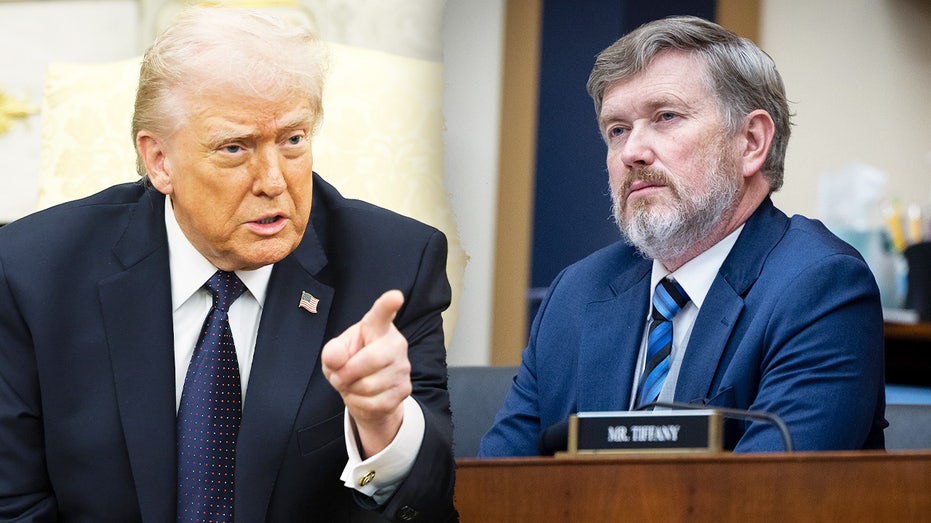
Former President Donald Trump has intensified his campaign to shape the Republican Party, issuing a powerful directive for Kentucky voters to reject Representative Thomas Massie in the upcoming primary election. This move follows a significant victory for Trump’s influence in Louisiana, where Senator Bill Cassidy failed to advance in his Republican primary.
Trump’s intervention underscores a broader effort to consolidate party loyalty and challenge GOP members who have previously opposed his agenda. The former president’s statement, made shortly after midnight, explicitly linked Massie’s political future to Cassidy’s recent electoral setback.
The former president did not mince words when criticizing Rep. Thomas Massie, describing him as among the “worst and most unreliable Republican Congressman.” Trump’s remarks, initially shared on Truth Social, explicitly called for Kentucky residents to vote Massie out, labeling him a “major Sleazebag” and highlighting his voting record. This direct appeal to voters serves as a clear warning to other Republican lawmakers about the political consequences of not aligning with the former president’s directives.
Trump emphasized that Massie’s perceived disloyalty was a primary reason for his opposition. He drew a direct comparison to Senator Bill Cassidy, R-La., who recently failed to secure enough votes in his primary to avoid a runoff, effectively ending his bid for re-election. Trump attributed Cassidy’s defeat to his vote to impeach him, framing it as a direct consequence of defying the party’s base and the former president’s influence.
“Kentucky, get this LOSER out of politics in Tuesday’s Election. He is nicknamed Rand Paul Jr., another real ‘beauty,’ because of his absolutely terrible voting habits.”
Senator Bill Cassidy’s unexpected primary ouster in Louisiana has been presented by Trump as a blueprint for challenging incumbents. Cassidy, who finished behind other candidates in the Louisiana Republican Senate primary, will not participate in the upcoming runoff election. This outcome, as reported by Fox News, marks a significant moment for presidential influence in primary contests, particularly against sitting senators.
Trump explicitly tied Cassidy’s loss to his vote to impeach the former president, suggesting that such actions would lead to similar electoral fates for other critics. The message is clear: party loyalty and alignment with the former president’s political movement are paramount for those seeking re-election.
Representative Massie, who has represented Kentucky’s 4th congressional district since 2012, has a voting record that has occasionally put him at odds with the mainstream Republican Party, including during the Trump administration. His conservative stance on fiscal matters and limited government has earned him the nickname “Rand Paul Jr.,” a comparison Trump used to further criticize Massie’s voting habits.
The former president has thrown his support behind Ed Gallrein, a Kentucky farmer and war veteran, whom he describes as running solely out of a sense of duty and loyalty to the former president. The upcoming primary election in Kentucky will serve as a crucial test of Trump’s endorsement power and his ability to influence outcomes in contested Republican races. The results will indicate the extent to which his base continues to prioritize loyalty to him over other considerations.
As voters head to the polls on Tuesday, the Kentucky primary will be closely watched as an indicator of the evolving dynamics within the Republican Party and the enduring impact of former President Trump’s political endorsements.

Buckingham Palace has confirmed that King Charles III was profoundly shocked and saddened to learn of the death of a British soldier at the Royal Windsor Horse Show. The tragic incident occurred during a display by the King’s Troop, Royal Horse Artillery, on Friday evening, casting a pall over the traditionally joyous event.
The soldier, whose identity has not been released, suffered a fatal fall after leaving the arena following their display. Despite immediate medical attention, the injuries proved too severe, and the individual died at the scene, according to Thames Valley Police. The news has sent ripples of grief through the Royal Family and the armed forces community.
The Royal Windsor Horse Show, a highlight in the equestrian calendar, is held annually on the grounds of Windsor Castle. This year’s event, however, took an unforeseen turn with the sudden loss of a dedicated serviceman. The King’s Troop, Royal Horse Artillery, is a ceremonial unit of the British Army, renowned for its spectacular displays involving horses and artillery pieces.
The incident occurred as the troop concluded its performance. While the exact circumstances leading to the fall are still under investigation, the unexpected nature of the death has underscored the inherent risks associated with such intricate displays, even for highly trained personnel.
King Charles III was among several members of the Royal Family present at the horse show. Also in attendance were Prince Edward, the Duke of Edinburgh; his wife Sophie, the Duchess of Edinburgh; their daughter Lady Louise Windsor, who was working at the show; and Princess Anne. The royals were at the arena when the incident took place but were not immediately aware of its severity.
A Buckingham Palace spokesperson conveyed the monarch’s sentiments, stating, “The King was greatly shocked and saddened to have learned subsequently of the troop member’s death and will be in touch with the family to share his personal condolences.” The spokesperson added that “The thoughts and most heartfelt sympathies of the whole royal family are with the victim’s family.” King Charles later met with members of the King’s Troop at the show on Saturday, offering his personal support.
“The King was greatly shocked and saddened to have learned subsequently of the troop member’s death and will be in touch with the family to share his personal condolences. The thoughts and most heartfelt sympathies of the whole royal family are with the victim’s family.”
Thames Valley Police have launched an investigation into the soldier’s death, categorizing it as “unexplained” at this stage. While the inquiry proceeds, the Royal Windsor Horse Show continued as planned on Saturday, though without another display from the King’s Troop, Royal Horse Artillery, out of respect for the fallen soldier and their comrades.
This decision reflects a balance between honoring the deceased and maintaining the order and tradition of a significant national event. Initial reports from news outlets, including Fox News, highlighted the King’s profound personal reaction, emphasizing the close bond between the monarch and the armed forces.
The incident serves as a poignant reminder of the dedication and risks undertaken by members of the armed forces, even in ceremonial duties. The nation awaits further details from the ongoing investigation, while the Royal Family extends its deepest sympathies to the grieving family and the King’s Troop.

The economic landscape for UK businesses is becoming increasingly challenging, with many traders caught in a “vicious circle” of escalating expenses. From essential ingredients to vital agricultural supplies, the relentless surge in rising business costs is pushing many small and medium-sized enterprises (SMEs) to the brink, threatening livelihoods and consumer prices.
This growing crisis is not merely an inconvenience; it represents a significant threat to the stability of local markets and the broader supply chain. Businesses are finding it increasingly difficult to absorb these cost increases, leading to tough decisions that could impact product availability and affordability for families nationwide.
The impact of inflation is acutely felt by market traders. Steve Reid, who owns The Northampton Cheese Company and The Northampton Charcuterie Company, recently shared his concerns with Politics East, revealing that some key ingredients have more than doubled in price over the past year. This dramatic increase makes sustainable operation a formidable challenge.
Reid highlighted a stark example: the wholesale cost of dried apricots, a common ingredient for his businesses, has soared from £35 to £100 for a 12kg box in just twelve months. Such figures illustrate the immense pressure on businesses attempting to maintain quality and competitive pricing amidst a volatile market.
For many local enterprises, these unexpected and steep price hikes cannot simply be passed on to the consumer without risking a significant drop in demand. This leaves business owners like Reid, who operates from Northampton Market, in a precarious position, grappling with reduced margins and increased operational stress.
The agricultural sector, a foundational pillar of the economy, is also sounding alarms. Philip Weston, a farmer from Hartwell, Northamptonshire, has warned of potential further protests by farmers if their concerns about rising costs are not adequately addressed. The price of fertiliser, a critical input for crop production, remains a major worry.
Weston underscored the severity of the situation, stating that if fertiliser costs do not decrease, many farmers are seriously considering reducing their arable crop production. Such a move would have profound implications for the nation’s food security and could lead to further increases in food prices for consumers.
“The relentless surge in essential ingredient costs has created a ‘vicious circle’ for many traders, making sustainable operations increasingly difficult.”
In response to these growing concerns, a government spokesperson affirmed its commitment to supporting the agricultural sector, stating it is working with farmers to ensure the industry receives the necessary backing. However, many in the business community are seeking more tangible and immediate measures to alleviate the pressure.
The current economic climate demands careful attention to policy decisions that affect households and businesses alike. Sustaining a vibrant free market requires an environment where enterprises can operate profitably without being overwhelmed by uncontrollable external costs. The stability of our supply chains and the health of our local economies depend on finding effective solutions to temper these inflationary pressures.
Addressing the root causes of these escalating costs and providing targeted support for vulnerable sectors will be crucial for navigating the current economic headwinds. Without such interventions, the crisis faced by UK traders and farmers risks undermining broader economic recovery and consumer confidence.

In a significant new memoir, former Senator Lamar Alexander, a respected figure in conservative politics, issues a direct challenge to the Republican Party. Alexander, who has served as governor of Tennessee, a U.S. Senator, and a cabinet member, asserts that former President Donald Trump committed an impeachable offense on January 6, 2021. His remarks underscore a growing call within certain conservative circles for the GOP to re-evaluate its direction and re-affirm its commitment to foundational institutional principles.
The former senator’s reflections, highlighted in a report by The New York Times, emphasize the critical importance of Congress asserting its constitutional power. Alexander’s perspective arrives at a moment when national institutions are under scrutiny, and the balance of power between branches of government remains a subject of intense debate.
Alexander’s memoir details his conviction regarding the events of January 6, when a mob breached the U.S. Capitol. He posits that the former president’s actions surrounding that day constituted an impeachable offense, a stance that aligns with a traditional understanding of presidential conduct and accountability. Beyond mere criticism, Alexander’s core message is a proactive demand for the legislative branch to reclaim its rightful authority.
For Alexander, the integrity of the constitutional system hinges on each branch fulfilling its duties and acting as a check on the others. His call for Congress to assert its power is a reminder of the founders’ intent: to prevent the overreach of any single part of government and ensure a robust system of governance. This perspective resonates deeply with conservative values that prioritize order, established institutions, and constitutional fidelity.
The former senator’s candid assessment presents a moment of introspection for the Republican Party. Alexander’s argument suggests that adherence to constitutional principles and institutional stability should take precedence over partisan loyalty or personal allegiances. This is a crucial distinction for a party often perceived as grappling with its identity in the post-Trump era.
Alexander’s career has been marked by a pragmatic approach to governance and a commitment to conservative ideals. His latest statements are not merely a retrospective critique but a forward-looking appeal for the GOP to:
His message implicitly challenges Republicans to consider how their actions today will shape the long-term health of American governance.
“Upholding the Constitution and the integrity of our institutions must always transcend partisan loyalties.“
Alexander’s memoir contributes to an ongoing dialogue within conservative circles about the future direction of the Republican Party. His emphasis on institutional strength and accountability offers a potential framework for renewal. It suggests that a return to core conservative tenets—respect for the rule of law, limited government within a robust constitutional framework, and a focus on national unity—could be a viable path forward.
For Matox News, such calls from seasoned conservatives like Alexander highlight the enduring importance of stable institutions and principled leadership. His voice joins others who advocate for a conservative movement grounded in civility, order, and a steadfast commitment to the foundational principles that have long sustained the Republic.

The decision by the WHO on Sunday comes amidst reports of 80 suspected deaths and a rapidly increasing number of cases, underscoring the severe threat posed by this particular strain. This declaration, while not classifying it as a pandemic, highlights the urgent need for a coordinated international response to prevent further spread and stabilize the affected regions.
The formal declaration by the WHO signals a heightened level of concern, urging member states and international partners to bolster their efforts in supporting the affected nations. The outbreak, primarily centered in the Democratic Republic of Congo, has seen 246 suspected cases and eight laboratory-confirmed infections as of Saturday. These figures, reported across at least three health zones including Bunia, Rwampara, and Mongbwalu, paint a stark picture of the challenges facing public health officials on the ground.
The designation as a public health emergency of international concern (PHEIC) is reserved for extraordinary events that pose a public health risk to other states through the international spread of disease and may require a coordinated international response. This move by the WHO aims to unlock critical funding, expertise, and logistical support necessary to manage the crisis effectively, reflecting a commitment to global health security and institutional integrity.
Unlike previous major outbreaks, this current surge is attributed to the Bundibugyo virus, a strain of Ebola that presents unique challenges. Crucially, there are currently no approved vaccines or therapeutic treatments specifically for the Bundibugyo strain. This contrasts sharply with the Ebola-Zaire strain, which fueled the devastating 2018–2020 epidemic in Congo, claiming over a thousand lives, and for which effective vaccines and treatments have since been developed.
The absence of a targeted medical countermeasure for the Bundibugyo strain complicates containment efforts significantly. Health authorities must rely heavily on traditional public health measures: rapid identification of cases, isolation, contact tracing, and safe burial practices. This situation underscores the ongoing need for robust research and development into a broader spectrum of viral threats, ensuring preparedness for diverse pathogens.
The geographical spread of the outbreak is a significant concern, with cases now confirmed beyond the initial epicenters within the DRC. Reports from the WHO indicate two apparently unrelated laboratory-confirmed Ebola cases in Uganda’s capital, Kampala, involving individuals who had traveled from the DRC. Additionally, a case was confirmed in the DRC capital, Kinshasa, linked to travel from Ituri province. This cross-border transmission highlights the porous nature of regional boundaries and the critical importance of coordinated surveillance and response mechanisms between neighboring countries.
The potential for the virus to spread across borders necessitates strong diplomatic engagement and regional cooperation. Ensuring stability and order in affected zones is paramount, preventing further displacement and disruption that could hinder public health efforts. As noted by Fox News, officials have previously warned of cross-border spread, making these recent developments particularly alarming and requiring swift, decisive action from all involved parties.
“This declaration, while not classifying it as a pandemic, highlights the urgent need for a coordinated international response to prevent further spread.”
The declaration of an international public health emergency serves as a powerful reminder of the persistent global health threats that require constant vigilance and preparedness. The focus now shifts to effective implementation of containment strategies, rapid deployment of resources, and continued international collaboration to protect lives and maintain regional stability. The immediate priority remains to support the Democratic Republic of Congo and Uganda in their fight against this virulent threat, ensuring that institutions are empowered to act decisively and restore public health security.
Global health bodies and national governments must work in concert, not only to manage the immediate crisis but also to strengthen long-term public health infrastructure in vulnerable regions. This proactive approach is essential to mitigating future outbreaks and safeguarding the well-being of populations worldwide.
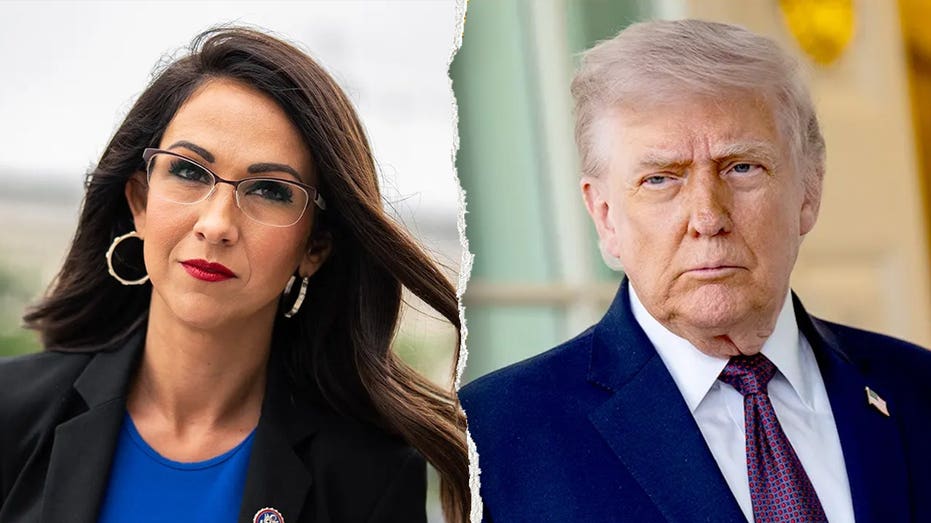
The political landscape within the Republican Party saw a notable tremor this weekend as former President Donald Trump publicly questioned his endorsement of Representative Lauren Boebert (R-CO). The former President’s ire was sparked by Boebert’s decision to campaign alongside Representative Thomas Massie (R-KY), a figure Trump has previously criticized as one of the “Worst ‘Republican’ Congressmen” in the nation. The unfolding drama, initially reported by Fox News, highlights the intricate loyalties and power dynamics at play within conservative circles.
The former President expressed strong disapproval on social media, accusing the Colorado congresswoman of being “weak minded” for aligning with a perceived GOP rival and threatening to withdraw his backing.
In a series of strong posts on his Truth Social platform, former President Trump did not mince words regarding Rep. Boebert’s actions. He questioned whether anyone was “interested in running against Weak Minded Lauren Boebert in Colorado’s Fourth Congressional District?” signaling a direct challenge to her incumbent status. Trump’s frustration stems from Boebert’s appearance with Rep. Massie, who has been a vocal critic of the former President within the Republican caucus. This alignment is particularly contentious as Trump has already endorsed Massie’s primary challenger, retired Navy SEAL Ed Gallrein.
The former President went further, characterizing Massie as the “Worst ‘Republican’ Congressman in the History of our Country” and declared that “anybody who can be that dumb deserves a good Primary fight!” This direct challenge to Boebert’s judgment underscores the premium Trump places on loyalty within his political movement, suggesting that even long-standing allies are not immune to scrutiny if they deviate from his preferred alignments.
The former President signaled a potential withdrawal of his endorsement, stating it would be his “Honor” to back a “good and proper alternative” if one emerged, directly inviting challengers to Rep. Boebert’s seat.
Initially, Rep. Boebert declined to directly comment on Trump’s social media posts, indicating a desire not to “elevate” the situation. However, she later took to X (formerly Twitter) to defend her actions and reaffirm her conservative credentials. Boebert stated that she was “not mad or offended” by the President’s remarks and acknowledged that she “knew the risks when I agreed to stand by my friend Thomas Massie.”
Her defense centered on her unwavering commitment to the “America First” agenda, declaring, “I was, and will be, America First, America Always, and MAGA.” This response attempts to bridge the gap between her personal alliances and her ideological alignment with the former President’s movement. It frames her support for Massie as a matter of personal friendship rather than a rejection of Trump’s broader political vision, a subtle but significant distinction in the often-turbulent world of GOP politics.
This public disagreement between two prominent conservative figures highlights the ongoing internal struggles within the Republican Party. Trump’s willingness to challenge an endorsed incumbent, particularly one who has been a vocal supporter, sends a clear message about the unwavering expectation of loyalty to his political vision. For Rep. Boebert, this incident could significantly complicate her upcoming primary race in Colorado’s Fourth Congressional District, potentially attracting a Trump-backed challenger.
The episode also raises broader questions about the power and influence of presidential endorsements in shaping primary outcomes. While Trump’s backing has historically been a potent force, instances like this test the boundaries of that influence and the willingness of some Republicans to chart their own course. As the party navigates its future, the balance between institutional loyalty, personal alliances, and adherence to specific ideological tenets continues to be a defining challenge.
The coming weeks will reveal whether this public spat leads to a formal withdrawal of the endorsement and the emergence of a strong primary opponent for Representative Boebert, further shaping the complex dynamics of the conservative movement.
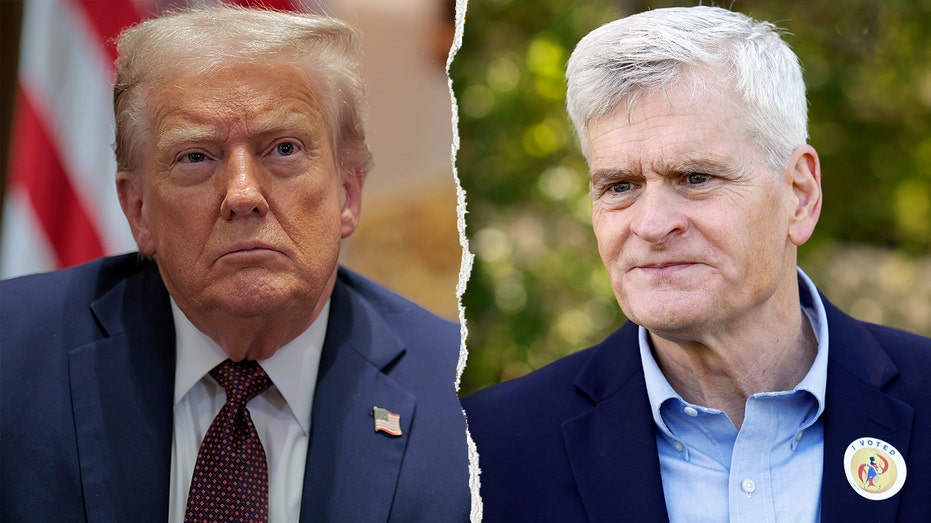
Republican voters in Louisiana have delivered a decisive Trump primary victory, removing incumbent Senator Bill Cassidy from his bid for re-election. This significant outcome, which saw two Trump-backed candidates outperform Cassidy, reaffirms the former president’s substantial influence within the Republican Party and highlights a clear desire among the electorate for candidates aligned with the “America First” agenda.
Senator Bill Cassidy, a Republican incumbent, faced a formidable challenge largely due to his vote to convict then-President Donald Trump during his second impeachment trial five and a half years ago. This stance proved to be a critical factor for a significant segment of the conservative electorate in Louisiana, a solidly red state.
In Saturday’s GOP primary, Cassidy was decisively ousted. The Associated Press reported that Trump-backed Rep. Julia Letlow and Louisiana Treasurer John Fleming emerged as the top contenders. Letlow secured an impressive 45% of the vote, with Fleming garnering roughly 28%. Senator Cassidy trailed significantly, accumulating just under 25%.
This defeat makes Senator Cassidy the first elected Republican senator to lose a renomination bid since Indiana’s Senator Richard Lugar in 2012. The historical weight of this outcome underscores the profound nature of the political shift currently reshaping the Republican landscape, demonstrating that even long-serving incumbents are not immune to the evolving sentiments of the party’s base.
Though not directly on the ballot, former President Trump is undeniably a major victor in this Trump primary victory. The Louisiana contest served as the latest and perhaps most potent barometer of his endorsements’ efficacy in Republican nomination races, cementing his immense grip over the party’s grassroots.
Trump had not minced words about Cassidy, publicly criticizing him as “a disloyal disaster” and “a terrible guy.” Following Cassidy’s electoral defeat, the former president swiftly took to social media to celebrate, declaring, “it’s nice to see that his political career is OVER!” This immediate and emphatic reaction, widely reported by news outlets such as Fox News, underscores the personal and strategic importance Trump places on these primary challenges.
The outcome sends a clear message to other Republican officeholders: alignment with the former president’s agenda and avoiding perceived disloyalty can be crucial for political survival in the current GOP climate. It reinforces the idea that the party’s base often prioritizes loyalty to the movement above all else.
With no candidate securing over 50% of the vote, Rep. Julia Letlow and Treasurer John Fleming will now advance to a runoff election next month. Letlow, already serving in the House of Representatives, and Fleming, the state’s treasurer, both represent a more conservative, Trump-aligned wing of the Republican Party.
Their combined performance, significantly outpolling the incumbent, indicates a strong preference among Louisiana Republicans for candidates who champion the former president’s policies and rhetoric. The runoff will now determine which of these two Trump-backed candidates will ultimately secure the Republican nomination for the U.S. Senate, setting the stage for the general election in this reliably red state.
In a speech to his supporters after conceding the race, Senator Cassidy offered a reflective and perhaps pointed commentary on the democratic process. He observed that “when you participate in democracy, sometimes it doesn’t turn out the way you want it to.” More significantly, Cassidy added a clear directive: “But you don’t pout, you don’t whine. You don’t claim the election was stolen… You don’t manufacture some excuse.”
This statement, widely interpreted as an implicit critique of certain post-election behaviors, concluded with Cassidy thanking voters for the privilege of serving. His words emphasized the importance of accepting electoral outcomes with grace, a sentiment that resonates with the principles of orderly and institutional democracy championed by Matox News.
The Louisiana primary is more than just a local election; it is a significant barometer of the GOP’s national direction. This Trump primary victory underscores the former president’s continued influence and signals a potential realignment within the party, where the focus remains steadfastly on candidates who embody the conservative movement’s core tenets and demonstrate unwavering loyalty. As the runoff approaches, all eyes will be on Louisiana to see which conservative champion emerges victorious.
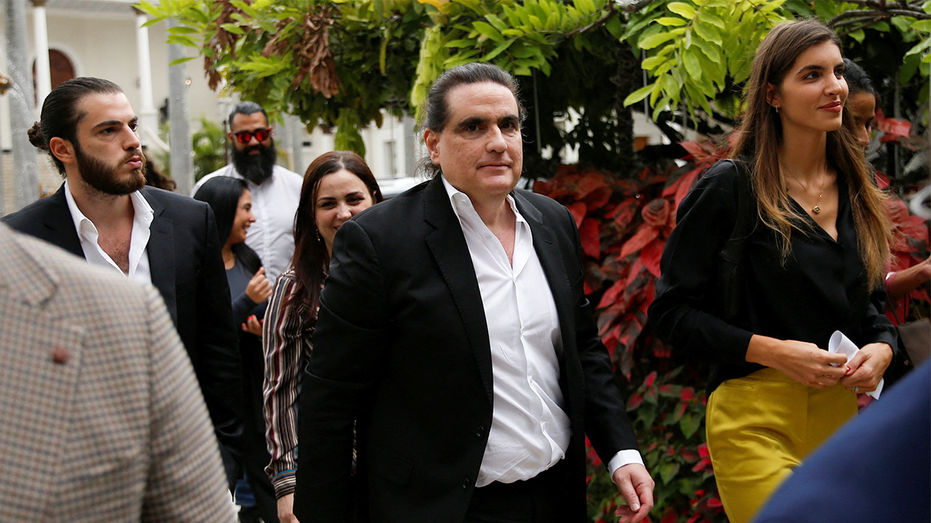
Washington D.C. – Alex Saab, the Colombian businessman long considered Nicolás Maduro’s chief financial fixer, has reportedly been rearrested, marking a significant turn in efforts to combat corruption linked to the Venezuelan regime. The arrest comes less than three years after Saab was controversially pardoned and released by former President Joe Biden in a prisoner swap.
This latest development signals a new, albeit complex, level of cooperation between U.S. authorities and Venezuela’s interim President Delcy Rodríguez, raising questions about the future of accountability for alleged illicit financial networks.
The reported arrest and subsequent deportation of the 54-year-old Saab followed a joint U.S.-Venezuelan operation, according to details emerging from the region. His capture occurred in February, with the Venezuelan immigration authority confirming a “Colombian citizen” was being sent away due to U.S. criminal investigations, though avoiding specific confirmation of his destination.
The timing is critical, occurring after Maduro’s own capture in January. Following this, interim President Delcy Rodríguez reportedly stripped Saab of his cabinet position and his role as the primary conduit for foreign investments, as reported by The Associated Press, a detail also highlighted by the News Desk.
Should Saab be returned to U.S. custody, he could become a crucial star witness against Maduro, who currently awaits trial on drug charges in Manhattan. This potential testimony could unravel years of alleged illicit financial dealings and corruption within the Venezuelan power structure.
Saab was initially detained in 2020 on bribery charges, with U.S. officials alleging he siphoned approximately $350 million out of Venezuela. His release in 2023 was part of a high-stakes prisoner exchange orchestrated by the Biden administration, a move that drew considerable criticism from conservative lawmakers and human rights advocates.
While the Biden pardon specifically addressed a 2019 indictment concerning unbuilt low-income housing projects, it did not resolve all legal entanglements. Saab reportedly still faces active federal investigations into alleged bribery conspiracies related to Venezuelan food import contracts. This ongoing legal exposure provides the basis for his current rearrest and potential extradition.
The re-apprehension of Alex Saab could significantly strengthen the U.S. case against Nicolás Maduro. Court hearings in previous proceedings revealed that Saab had engaged in secret meetings with the U.S. Drug Enforcement Administration (DEA) for years. During these interactions, he reportedly provided information that helped identify corruption within Maduro’s inner circle.
His potential testimony could offer an insider’s view into the financial machinations and alleged criminal enterprises that sustained the Maduro regime, potentially providing irrefutable evidence for prosecutors. This development underscores the persistent efforts by U.S. institutions to dismantle corrupt networks that undermine democratic governance and economic stability in the region.
“The potential for Alex Saab to become a crucial star witness against Maduro could reshape the narrative of accountability for corruption in Venezuela.”
The re-emergence of Alex Saab in U.S. legal crosshairs represents a significant victory for the rule of law and anti-corruption efforts. As the legal proceedings unfold, the world will be watching to see how this high-profile case impacts the ongoing fight against transnational crime and the pursuit of justice for the Venezuelan people.
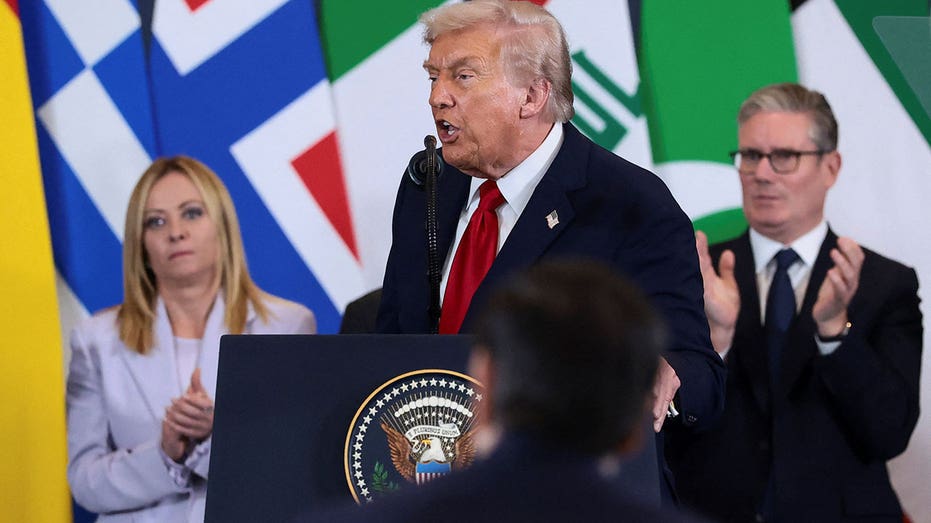
As the United Kingdom commits to a defensive role in the Strait of Hormuz, questions persist regarding its capacity for major offensive operations, particularly after Washington voiced strong disapproval over London’s reluctance to join a recent US initiative against Iran.
LONDON – The state of British military readiness has come under intense scrutiny following the UK’s decision to deploy military assets for a defensive mission in the Strait of Hormuz. This move, intended to secure freedom of navigation, unfolds against a backdrop of significant diplomatic friction with the United States, particularly concerning London’s non-participation in “Operation Epic Fury” against Iran. The situation has prompted a robust debate about Britain’s global influence and the practical realities of its defense capabilities.
Prime Minister Keir Starmer’s government has faced pointed criticism from Washington for its perceived hesitancy in aligning with the United States on offensive actions against Iran. Former President Donald Trump notably dismissed Starmer as “no Churchill,” expressing his disappointment in British alignment. “When we asked them for help, they were not there. When we needed them, they were not there… And they still aren’t there,” Trump stated in a recent interview with Sky News, underscoring a palpable sense of frustration from the American leadership.
While the UK’s deployment to the Strait of Hormuz is a welcome step towards international security and repairing transatlantic relations, it highlights a broader challenge. The decision to participate defensively, rather than offensively, has led many to question whether Britain’s strategic choices are driven by political will or the practical constraints of its armed forces.
The former US President has not shied away from openly critiquing the capabilities of the British armed forces. In March, during a White House meeting, Trump specifically targeted the British Navy’s aircraft carriers. He was quoted by Sky News as saying, “We had the U.K. say that, ‘We’ll send’— this is three weeks ago — ‘we’ll send our aircraft carriers,’ which aren’t the best aircraft carriers, by the way… They’re toys compared to what we have.” Such blunt assessments from a key ally underscore the seriousness of the concerns regarding the UK’s defense posture.
These remarks, though controversial in their delivery, echo a growing sentiment among defense analysts and policymakers about the need for realistic assessments of military assets and their operational readiness.
“The outbreak of a new war in the Middle East has led to questions about the U.K.’s relevance in international affairs. Alongside debates about legality and politics, there are some hard truths about military power and the reality of the readiness of the U.K.’s armed forces.”
— Matthew Savill, Director of Military Sciences at RUSI
The underlying reasons for the UK’s cautious approach to the Iran situation may stem from more than just political considerations. Recent reports from authoritative sources point to significant shortfalls in Britain’s military capacity. Matthew Savill, Director of Military Sciences at the Royal United Services Institute (RUSI), a prominent defense think tank, addressed these concerns directly in his report, “Iran War Delivers a Tough Lesson in Hard Power to the U.K.”
Savill’s analysis highlights a critical juncture for the UK, suggesting that debates about international relevance must confront the “hard truths about military power and the reality of the readiness of the U.K.’s armed forces.” This candid assessment indicates that the ability to project significant offensive power in a major conflict could be severely limited. Furthermore, a parliamentary committee report has reportedly echoed similar conclusions, reinforcing the view that Britain’s military might not possess the necessary resources or personnel for sustained, large-scale combat operations.
Key areas of concern, as implicitly suggested by these reports, often include:
These factors collectively present a challenging picture for the nation’s defense planners and policymakers, demanding a renewed focus on strengthening the core capabilities of the armed forces.
For a nation that historically prides itself on its global reach and influence, the current state of its defense capabilities poses a strategic dilemma. Reasserting Britain’s position on the world stage, especially in an increasingly volatile international environment, necessitates a robust and ready military. The discussions around the Iran situation serve as a crucial reminder that strong diplomatic positions must be underpinned by credible military strength.
Moving forward, London faces the imperative of evaluating its defense spending, recruitment strategies, and equipment procurement to ensure its armed forces are prepared for the complex challenges of the 21st century. The integrity of its institutions and its capacity to act decisively on the global stage depend on addressing these fundamental issues with seriousness and strategic foresight.


