Matox News

Truth Over Trends, always!

From Glamorous Department Store to Cannabis Crackdown: Newport’s Wildings Shake Up the City’s Style Scene

Reviving the Spirit of Wildings: A Reflection on High Streets and Heritage

Once a glamorous hub of retail and community life, Wildings in Newport, Wales, stood as a testament to the golden age of department stores. For over 140 years, it was not just a shopping destination but a cultural landmark—a place where fashion shows, Christmas displays, and a sense of *theatre* made retail more than just transactions. Today, the building sits eerily silent, its marble façade boarded up, a symbol of broader economic shifts that have reshaped Britain’s high streets. Yet, behind this decay lies an opportunity, a chance to reimagine what our urban spaces could become in an era where wellness and community are increasingly prioritized.

With the decline of traditional retail, sites like Wildings have become battlegrounds of economic decline and potential revival. According to recent reports, the number of retail outlets has shrunk drastically—by 38% since 2019—with department stores suffering the most. Research underscores that areas like Newport have been hit particularly hard, with vacancy rates soaring compared to thriving cities like London or Cambridge. Yet, there is a growing consensus that the future of high streets depends less on mere retail and more on a *holistic approach*—one that merges residential living, entertainment, and buzzing community spaces. Visionaries like Peter James advocate for reshaping old department stores into mixed-use developments, introducing flats on the upper floors while maintaining vibrant ground-floor retail—an approach that marries heritage conservation with modern demand.

This shift toward *embracing change* is not without its challenges. The story of Wildings also reveals the darker side of urban decline—abandoned buildings repurposed into illicit farms and secret skate parks by wandering explorers or ne’er-do-wells. As recent police raids uncovered, these spaces can fall into disrepair or become canvases for illegal activity, illustrating the need for **proactive civic planning**. Still, the narrative is not solely one of loss. It’s also a reminder that these spaces are part of our shared history—tangible links to a bygone era of success and civic pride. Moving forward requires a delicate balance: respecting the past while fostering innovative, safe, and vibrant communities that promote both health and **well-being**.

In contemplating these stories, it becomes clear that high streets are more than just shopping districts—they are living stories, waiting to be rewritten. Places like Newport might have lost their traditional retail heart, but they still carry the soul of a community eager to rejuvenate that spirit. The challenge, then, is to see beyond the boarded-up windows and broken facades—to recognize the potential for, as Vrettos describes, “making Newport great again,” but in a way that preserves its history and nurtures its future. To cast aside nostalgia as mere sentiment is to miss the broader lesson: true revival begins with embracing heritage, fostering local enterprise, and cultivating spaces that enhance our lives physically, socially, and culturally. In this delicate dance of transformation, the high street is not a relic but a canvas—a story waiting for us to write anew.

Walmart’s Flipkart and Amazon are tightening the noose on India’s fast-paced startup scene

India’s Quick Commerce Market: Disruption and the Race for Dominance

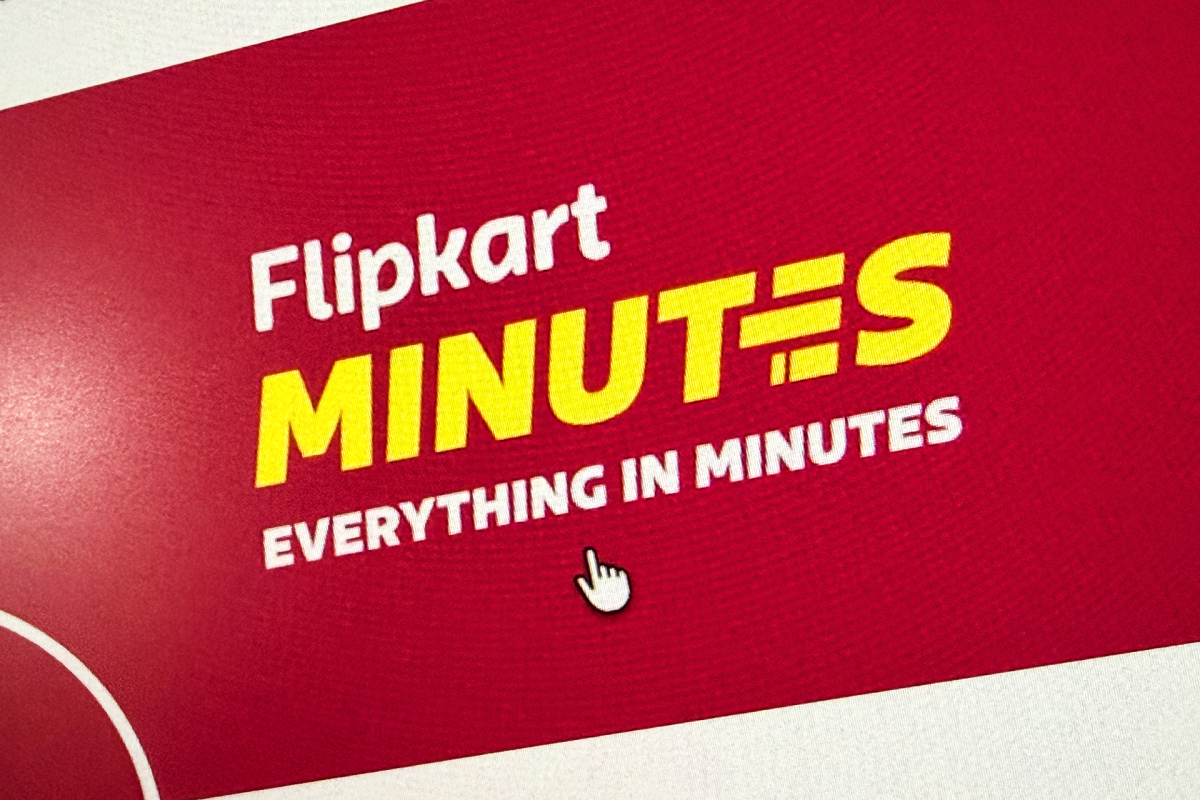
India’s rapid ascent in the quick commerce sector has ignited a fiercely competitive battlefield, fundamentally transforming the retail landscape in one of the world’s most dynamic economies. Recently, industry giants such as Flipkart and Amazon have drastically expanded their footprint, leveraging innovation in logistics and ultra-fast delivery models to capture market share. The launch of Flipkart’s Flipkart Minutes in August 2024, a pioneering service promising deliveries within just 10 minutes, exemplifies this disruptive stride. This move, backed by Walmart’s strategic investment, signals a seismic shift in how e-commerce giants are redefining consumer expectations and operational capabilities in India’s sprawling market.

  • Over 6,000 dark stores now operational across urban hubs, creating a dense network aimed at shortening delivery times.
  • Orders from small towns now comprise 25–30% of Flipkart’s quick commerce volume, illustrating the sector’s growth beyond metro markets.
  • Major players are deploying aggressive pricing strategies, with discounts reaching around 23–24% to stake market dominance amid thinning profitability margins.

Innovation and Industry Disruption: The New Business Paradigm

The sector’s rapid expansion integrates advanced logistics, data analytics, and innovative supply chain management, fundamentally altering traditional grocery and retail commerce. Dark stores — small, localized warehouses designed for rapid dispatch — have become the backbone of this new business model, often operating in a fiercely competitive environment. Market analyst Bernstein reports that most demand still centers on major cities, where high population density enables faster throughput and higher efficiency. Nonetheless, the sector is also witnessing significant efforts to penetrate smaller towns, echoing a broader trend of market democratization. Flipkart’s expansion into rural and semi-urban territories reflects an industry-wide push to capture the “next billion” consumers, with some stores reaching profitability within 6-12 months, according to industry sources.

This innovative approach introduces a new level of disruption that Threatens traditional retail and logistics models. Moreover, the integration of big-data analytics facilitates precision targeting, setting a new industry benchmark—one where disruption is driven by technology, not just pricing. As noted by tech analysts and industry insiders, companies investing heavily in dark store infrastructure are positioning themselves for long-term dominance, even amid challenges of scaling profitability and sustaining rapid growth. Firms like Zepto and Swiggy are also vying for a share, though many are currently in a “race for scale,” versus short-term profitability.

Business Implications and Future Outlook

The accelerated pace of innovation in Indian quick commerce signifies a transformative shift with profound business implications. As disruption accelerates, the landscape becomes increasingly consolidated, with fewer players optimizing for economies of scale amidst a heavily discount-driven environment. Market experts from institutions like Gartner and MIT emphasize that this sector’s future hinges on technological differentiation, operational efficiency, and strategic expansion into underserved markets.

Fundamentally, this evolution signals a broader trend of disruption across global retail markets—where traditional models are threatened by agile, tech-enabled startups rapidly scaling innovative logistics solutions. The stakes are high: the winners will control the pace of urban and rural consumer access, setting the stage for the next wave of e-commerce innovation. As entrepreneurs and investors track these developments, it is clear that in this fiercely competitive environment, those who fail to innovate risk obsolescence, while the bold reap long-term dominance.

Looking ahead, rapid advancements in autonomous delivery and AI-powered logistics mean the sector’s trajectory isn’t merely about faster delivery but about redefining commerce itself. For industry leaders and new entrants alike, the message is clear: in a hyper-competitive, tech-driven marketplace, timing and innovation will decide who leads India’s retail revolution into the future.

Raye Delivers Bold New Sound with Her Album “This Music May Contain Hope”—A Fresh Voice in Today’s Music Scene

In the ever-evolving landscape of popular culture, few pursuits remain as vital for the shaping of societal identity as music and artistic expression. Recently, a celebrated artist experienced a period of writer’s block during the creation of her second album—an episode often dismissed as mere creative turbulence. Yet, this transient silence, paradoxically, underscores the profound truth about culture as an enduring dialogue between the individual and collective memory. When art *hits all the right notes*, it does more than entertain; it reaffirms societal values, preserves tradition, and propels cultural evolution—an idea championed by thinkers such as Joseph Campbell, who emphasized myth as the language of human consciousness.

Historically, culture has served as the vessel for national and personal identity. From the stirring folk songs of Americana to the philosophic chansons of France, music channels our shared narratives—our hopes, fears, and ideals. The temporary struggle of an artist, after all, is emblematic of a wider cultural truth: that the creative process is not merely about producing artifacts but about engaging with the fabric of our societal story. As G.K. Chesterton eloquently argued, it is commonplace to view tradition as a burden, yet it is, in fact, the very foundation upon which new art flourishes—an act of *re-creation*, not *reinvention*. When the notes finally return, resonating with authenticity, they reaffirm our collective identity, anchoring us amid the chaos of change.

Moreover, this moment of creative blockade reveals a deeper tension—between progress and preservation. As Alexis de Tocqueville observed in examining the American experiment, a thriving society balances change with rootedness, fostering innovation without severing ties to the past. Art, then, becomes the moral compass that guides this delicate dance. When the star’s work finally reaches its crescendo, it illustrates that true innovation hinges upon knowing who we are—that our cultural DNA is composed of enduring symbols, stories, and memories. Philosophy, such as that offered by Ortega y Gasset on *the revolt of the masses*, reminds us that genuine cultural vitality is rooted in a conscious pursuit of meaning amidst the tumult of modernity.

Indeed, the power of art is its capacity to serve as a prophecy of humanity’s future, echoing the deep rhythms of our past. The cycle of struggle and renewal echoes the timeless narrative of resilience—an ode to the continual rebirth of tradition infused with innovation. As T.S. Eliot mused, *”only those who will risk going too far can possibly find out how far one can go.”* This relentless pursuit—despite setbacks—is the heartbeat of cultural progress. Thus, in the symphony of history and hope, art reminds us that our collective memory is both a foundation and a horizon, shaping who we are and who we may yet become. Culture, in this light, remains both a treasured inheritance and a beacon—guiding us forward with the promise of new beginnings, rooted in the enduring power of shared human story.

Preview: Aqara’s latest Matter-ready camera hits the scene

First Matter-Enabled Camera Surface in Market: Aqara G350 Ushers a Disruptive Wave in Smart Home Tech

The smart home industry is witnessing a pivotal breakthrough with the arrival of Matter-compatible cameras, exemplified by Aqara’s G350 Camera Hub. Announced at CES and launched this week, this innovative device not only elevates indoor security standards but also signifies a major leap toward interoperability, a core promise of the new Matter standard. While still in its early days, the G350’s features herald a future where smart home ecosystems could shift from fragmented, brand-specific setups to seamless, integrated solutions—echoing the disruptive ideals championed by tech visionaries like Elon Musk and industry analysts at Gartner.

The G350 distinguishes itself with exceptional hardware specs: dual lenses combining a 4K wide-angle and 2.5K telephoto capabilities, 360-degree auto-tracking, and a robust pan-tilt mechanism that enables comprehensive surveillance. Powered through a USB-C connection — with the necessity for an external brick — it also doubles as a hub for Aqara’s Zigbee devices, Thread Border Router, and Matter controller. This convergence of functionalities encapsulates the trend toward multi-purpose, all-in-one smart home devices that are set to challenge traditional, single-function cameras and hubs. Such an architecture promises to catalyze new business opportunities, disrupting the existing market segments dominated by brands like Ring and Google Nest.

However, the full potential of Matter support remains in development. Currently limited to live streaming and basic setup via Samsung SmartThings, the G350’s advanced features—such as pan, tilt, zoom, and recording—are not yet activated in the Matter ecosystem. Firmware updates are anticipated to unlock these capabilities, aligning with industry forecasts by MIT researchers that see firmware as the engine of future disruption. When fully realized, users will benefit from unprecedented openness: managing diverse camera brands through a unified, secure platform that eliminates vendor lock-in—an industry shift that could threaten established giants resistant to open standards. As Peter Thiel has highlighted, “the future belongs to those who build platforms, not just hardware.”

Moreover, integrations facilitated by Matter conceptually elevate privacy and security, with local and remote livestreams, end-to-end encryption, and flexible storage options. These features resemble Apple’s proprietary HomeKit Secure Video but are designed to be more open, promising a revolutionary shift towards secure, scalable, and universally compatible smart home surveillance. As the industry converges on interoperability, automations such as “door unlocks turning on cameras and lights” are expected to become routine, delivering disruption that could redefine consumer perceptions of security and convenience.

Looking ahead, the emerging landscape signals a race to leverage these advancements for competitive advantage. Major players like Samsung and AEON Labs are positioning to exploit Matter’s capabilities, setting the stage for a future where brand-agnostic systems dominate. The industry’s destiny hinges on rapid firmware rollouts, ecosystem support, and the adoption of security protocols that prioritize consumer control. Given the speed of innovation and the growing appetite for integrated, secure smart environments, stakeholders must act swiftly.

In conclusion, the Aqara G350’s debut as the first Matter-compatible camera marks a significant milestone in hardware innovation, signaling profound disruption in how smart cameras are deployed and managed. As firmware updates and platform support evolve, the industry faces a defining moment: whether to cling to legacy ecosystems or embrace a future of truly open, interoperable smart home technology. With the relentless pace of innovation, smarter, more secure, and hyper-connected homes are no longer just aspirational—they are imminent. The clock is ticking for industry leaders to adapt or risk obsolescence in a market rapidly transforming into an integrated digital frontier.

Noma’s head chef steps down amid abuse accusations, sparking questions about accountability in the food scene.

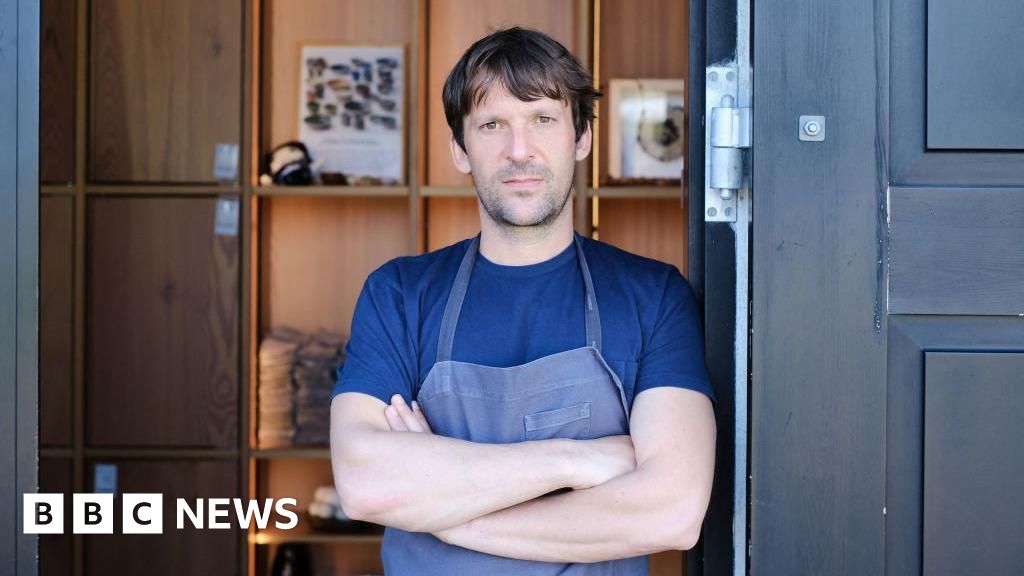
In the realm of international gastronomy and cultural influence, few names resonate as powerfully as René Redzepi, the Danish culinary icon celebrated for pioneering innovative Nordic cuisine. However, recent developments have cast a shadow over his reputation, as allegations from former employees at his renowned restaurant have accused him of fostering a toxic work environment. This controversy not only questions the integrity of one of Europe’s most acclaimed chefs but also underscores a broader debate about leadership ethics within global hospitality industries.

While Redzepi issued an apology, the incident exemplifies the increasing scrutiny faced by high-profile figures in the international cultural scene. Historians and labor advocates assert that such allegations have significant geopolitical impact, especially in a world where social justice movements and workplace reforms are gaining momentum. Governments and international organizations now watch these developments closely, as they reflect shifting societal expectations around ethical leadership. For nations that are heavily reliant on tourism and cultural exports, the reputation of iconic figures like Redzepi can influence perceptions, affecting everything from diplomatic relations to economic stability.

The controversy surfaces at a critical juncture for Europe, which is grappling with a series of socio-political upheavals—ranging from migration challenges to economic recalibrations. The leadership style endorsed by influential cultural ambassadors must align with advancing more ethical standards. International bodies such as the European Union, along with industry watchdogs, are increasingly advocating for a respectful, equitable work environment across all sectors. The fallout from such accusations can serve as a catalyst for broad reforms, compelling powerful entities to prioritize social responsibility and human rights beyond mere economic gains.

As the narrative unfolds, many analysts warn that the repercussions extend far beyond the kitchen, illustrating a global shift towards accountability. The geopolitical impact of enforcing corporate and cultural accountability is profound. Countries and industries that fail to adapt risk losing their influence on the world stage, especially as younger generations demand transparency and integrity from their leaders. The case of René Redzepi emphasizes that even venerable institutions face scrutiny in the age of social media and instant information sharing. International sentiment is turning against unchecked power and privilege, urging a re-evaluation of moral standards in leadership.

In this relentless, tumultuous dance of history, the verdict remains unwritten. Will Redzepi’s apology mark a genuine turning point toward reform, or merely serve as a fleeting chapter in a larger story of societal awakening? As nations watch, the world teeters on a precipice—where the cultural icons of today may either be champions of change or relics of a bygone era. The weight of this moment lies heavy on history’s scales, as the global community continues to define its moral compass amidst an era of profound transformation.

Audiences’ favorite influencers hit the scene: championing Britain’s legendary pubs and keeping the spirit alive

In an era where millennials and Gen Z are redefining social spaces, the humble pub remains an enduring testament to Britain’s rich social fabric. Despite the challenges posed by rising costs, urban gentrification, and changing drinking habits, a surge of fresh enthusiasm is evident in the vibrant scene of traditional wet-led boozers. Social media influencers like Niall Walsh and Jimmy McIntosh are leveraging digital platforms to showcase pubs with distinct character—places with patterned carpets, cozy fireplaces, and personal stories that exude authenticity. Their efforts highlight a cultural revival rooted in preserving community spaces while adapting to contemporary tastes.

Their advocacy underscores a broader cultural shift, one that celebrates “proper boozers,” an often romanticized concept of local pubs that prioritize atmosphere and genuine community over chain-store uniformity. Walsh and McIntosh aim to bring attention back to these establishments—many struggling with skyrocketing rent and cumbersome regulations—by creating content that emphasizes their unique aesthetic and social significance. For example, McIntosh’s detailed exploration of pubs like the Skirrid Inn in Wales or The Old Forge in Inverie demonstrates that even in the remotest corners of Britain, pubs serve as vital cultural landmarks, blending history, storytelling, and shared human experience. Their approach champions a lifestyle where leisure and wellness are intertwined, and where the act of gathering fuels personal resilience and community health.

By actively promoting pubs through Instagram accounts such as London Pub Explorer and Great British Pub Crawl, a new generation is reclaiming these spaces—not just as drinking venues but as catalysts for well-being, cultural connection, and lifestyle enrichment. Initiatives like these inspire young people to rediscover local history, support small businesses, and embrace a slower, more meaningful pace of life amid the chaos of urban existence. Whether it’s a classic pub with velvet curtains or a rugged countryside inn, these hidden gems foster a sense of belonging, making each visit a personal act of community renewal.

  • Visit a pub with historical charm—look for patterned carpets, authentic owner-operated environments, and local crowds.
  • Support social media pages that promote community-focused pubs, contributing to their visibility and survival.
  • Embrace the \”rural pub experience\”—consider exploring remote locations like the Old Forge in Inverie for a truly memorable adventure.

Ultimately, the ongoing narrative of Britain’s pubs is a story of resilience and revival. As individuals, we are invited to see these spaces not merely as places to drink but as living chronicles of our shared history, woven into the fabric of daily life. Through the lens of passionate creators and community advocates, the pub becomes a symbol of whether through tradition or contemporary innovation, a lifestyle that champions authenticity, connection, and personal impact. Their journeys serve as a reminder that embracing such cultural landmarks is more than nostalgia—it is a conscious choice to nurture the roots of our collective identity and, in doing so, find inspiration for the journeys ahead.

Hannah Spencer’s Bold Waistcoat Serves Up Politics with a Trendy Twist — TikTok’s New Favorite for the Youth Style Scene

Viral Colors and Youth Culture: The Rise of “Gross Green”

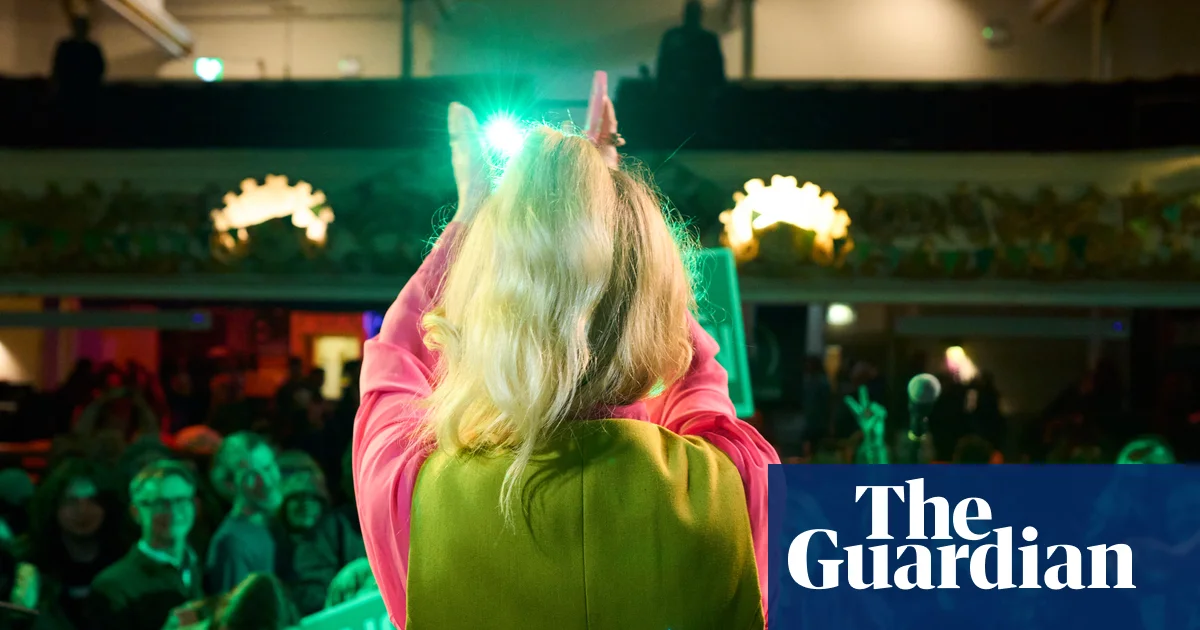
In a world where social media continually reshapes how we communicate, color trends have become more than just aesthetics—they’re now carriers of social identity and political statement. The latest wave? “gross green”. Coined by New York magazine and rapidly making its way onto high street labels and even book covers, this shade of chartreuse isn’t just a color—it’s a mood. It embodies a rebellious, playful attitude that resonates deeply with younger audiences eager to express individuality and cultural alignment through something as simple yet provocative as wardrobe choices. When Hannah Spencer, the newly elected Green Party MP, was spotted wearing this “gross green” outfit during her press conference, she unintentionally became a trendsetter, signaling her awareness of the social zeitgeist.

What’s fascinating is just how intentional and layered this phenomenon is. Spencer, a 34-year-old millennial, appears to understand the social capital in adopting such a viral hue—knowingly embracing a “statement color” that ties her political platform to the broader youth-driven aesthetic. During her brief appearance, she changed her undershirt from one shade of green to another, underscoring the precision with which digital-native figures now curate their image. This shift isn’t random; it’s an astute move to align with the cultural language of her generation. Prior to her, figures like Kamala Harris mastered this art, meme-ing a color into the political landscape with her “brat green”—a summer hit that did more than turn heads; it crafted a viral symbol for political engagement.

These trends underscore a larger socio-cultural shift: the merging of fashion, politics, and social media into a seamless narrative. Influencers, sociologists, and brand analysts argue that in an era of fractured attention spans, symbols—like colors—become vital tools in forging identity and community. Viral colors like Barbie pink or brat green aren’t just a fleeting aesthetic; they serve as social signifiers that bridge generational divides and offer a common language rooted in innocence yet rich in subtext. This phenomenon also reveals how younger generations seek to find meaning in what appears on the surface to be trivial—playing with names and shades as a form of cultural codification that is both fun and strategic.

What is intriguing, however, is the potential for these color-coded movements to extend beyond fashion and into systemic influence. As political campaigns increasingly lean into viral marketing, could these shades redefine how leaders communicate authenticity and relatability? The next question emerges: Will these playful symbols evolve into serious political tools, or are they destined to remain ephemeral markers of youth culture?* With influencers and political figures riding the wave of internet aesthetics, the future of political branding might just depend on our ability to decode the next viral hue—and what it says about the societal shifts at large.

Train Dreams: Unveiling the Power Behind the Scene

In the quiet elegance of cinema, we find a mirror to our souls—a mirror that reveals the intricate tapestry of memory, tradition, and identity. The recent final scene of “Train Dreams” exemplifies this truth, illustrating how visual storytelling transcends mere entertainment to engage with fundamental questions about what it means to be human. As Joel Edgerton’s character, Robert Grainier, embarks on a flight that becomes a voyage through his memories, we are reminded of the profound power of cultural memory to shape individual and collective identity. These fleeting moments in the sky serve as a poetic reflection on how history, personal and societal, are stitched together by the threads of remembrance, forging a sense of continuity amid chaos.

Filmmakers today, much like historians or philosophers of the past, play a vital role in preserving and interpreting our cultural heritage. Ortega y Gasset emphasized that “a people that forgets its past is condemned to relive it”. This scene’s meticulous construction—combining practical effects with cutting-edge VFX—underscores an essential truth: the craft of filmmaking is itself a form of cultural memory, a preservation of moments that might otherwise vanish into obscurity. The deliberate choice to recreate the antique plane and craft seamless transitions between past and present aligns with the timeless human pursuit of meaning through storytelling. Just as T.S. Eliot argued that tradition is the anchor of innovation, contemporary cinema—particularly in its focus on memory—serves as both a custodian and a prophet of our cultural identity.

Furthermore, the scene’s meditative narration guides us through the layered landscape of personal history, echoing the insights of Chesterton who extolled the importance of tradition as the vital link between our ancestors’ sacrifices and our present lives. The visual montage of memories—some seen earlier in the story, others new—mirrors the ongoing dialogue between individual memory and societal narratives. The flickering images, like the legends passed down through generations, affirm that culture is neither static nor mere relic. It is a dynamic force that animates our sense of __who we are__ and propels us forward, providing a moral and spiritual compass amid the upheavals of modernity.

As the final shot captures Grainier’s face, suffused with a myriad of emotions, there is a poignant reminder of philosopher Tocqueville’s assertion that democracy and culture are intertwined; both require active remembrance and participation to flourish. The scene’s culmination—Grainier’s feeling of connection—resonates universally: that through art and memory, humanity glimpses a glimpse of a transcendent order, a poetry in the cosmos of our collective soul. Culture, in its essence, is not merely a reflection of the past but an unfolding prophecy of our future, whispered across the ages in the silent language of human creativity. And in this symphony of fleeting images and enduring memories, we find a glorious testament—that culture is an indelible part of our identity, anchoring us in the wisdom of tradition while guiding us toward an unknowable yet inevitable horizon.

Incel Talk Goes Mainstream: The New Voice of the Youth’s Tech Scene | WIRED

Disruption in Digital Culture and Business: The New Technological Frontier

As the digital landscape rapidly evolves, a wave of innovative trends is reshaping how society interacts with technology, culture, and business. This year, the emergence of concepts like friction-maxxing exemplifies a counter-movement against the endless convenience offerings powered by apps and AI. Advocates argue that deliberately introducing friction—the minor challenges that require effort—can foster resilience and authenticity, challenging the prevailing paradigm of instant gratification.

This cultural shift is intertwined with the dissemination of incel terminology, which has now seeped into mainstream internet vernacular. Originally born within insular online communities, terms like “maxxing”—or “protein maxxing,” “sleep maxxing,” and others—are now being adopted by broader audiences. Such language, sometimes laden with controversy, signals a deeper phenomenon: the reconfiguration of online socio-political dialogues. Industry analysts, including those from MIT and social research think tanks, warn of the potential for these lexicons to catalyze new forms of social identity and even radicalization, with implications for workforce culture and consumer behavior in the tech sector.

Meanwhile, the cultural memory of movements like Gamergate and the proliferation of sinister platforms like 4chan has laid the groundwork for a disruptive digital ecosystem. This ecosystem is characterized by toxic nihilism, reactionary sentiment, and the rise of anti-diversity ideologies, which threaten to undermine the inclusive innovation that Silicon Valley strives for. Yet, paradoxically, these trends also fuel a market of disruptive startups that aim to capitalize on cultural fractures—tools that polarize, but also serve as catalysts for change. Companies like Twitter, under new leadership, are attempting to navigate this turbulent space, balancing free speech with moderation—an ongoing challenge with significant business implications.

Looking ahead, industry leaders, from Elon Musk to Peter Thiel, recognize that understanding and harnessing these disruptive cultural shifts is crucial for maintaining technological edge. As the lines between online subcultures and mainstream markets continue to blur, the urgency for innovation in both policy and product design intensifies. The next wave of technological disruption will not just be about raw computational power but about navigating the complex social terrains that define our digital future. Failing to adapt or anticipate these shifts may render traditional tech giants obsolete, replaced by agile entities that leverage these cultural currents for strategic advantage.

Top Dating & Hookup Apps Dominating the UK Scene in 2026: What Young Brits Need to Know

The Rise of Pure: Redefining Casual Encounters for a Generation

In a world increasingly driven by instant gratification and the demand for authenticity, apps like Pure are pioneering a new wave in how young adults approach casual dating and hookups. Unlike traditional dating platforms, Pure offers an experience that is adventurous, no-strings-attached, and 100% anonymous. With features like self-deleting chats and photos that vanish within 24 hours, the app caters to a generation that values privacy, directness, and immediacy. Its rise mainly among Gen Z users is not accidental; it mirrors a cultural shift towards minimal effort connecting and eschewing societal expectations around dating.

The Cultural Impact: Challenging Traditional Courtship

Recent sociological analysis suggests that apps like Pure are more than just digital dating tools—they are symbols of a broader societal shift. Unlike mainstream apps that emphasize profiles, long conversations, and emotional investment, Pure strips down the experience, focusing solely on physical connection and quick gratification. This transition reflects a culture that increasingly values efficiency, honesty, and an unapologetic approach to sexuality. Influencers and analysts highlight that this trend pushes back against the traditional courtship ritual, emphasizing that Gen Z is redefining what intimacy means in the digital age. As social psychologist Dr. Emily Carter notes, this trend aligns with a desire for authenticity and transparency, although delivered through an intentionally minimalist interface. Such dynamics signal a shift in social norms, where societal judgments are sidestepped in favor of convenience and individual choice.

The Social Relevance and Controversies

Despite its niche appeal, Pure is stirring conversations about sexual expression, privacy, and societal standards. Critics argue that the app’s focus on heteronormative encounters and its smaller user base may reinforce limiting stereotypes and exclude more diverse experiences—something many sociologists warn could hinder broader social acceptance. Still, for a generation often dismissed as superficial or detached, Pure’s success underscores a growing demand for spaces where they can explore their sexuality unapologetically and without fear of judgment. The app’s impact extends beyond fleeting encounters; it is part of a cultural revolution that champions bits of personal freedom and authenticity. Influencers who promote youth liberation from traditional dating paradigms praise this as a sign of independent self-empowerment. However, the question remains: is this trend sustainable or just a fleeting phenomenon born of the digital age?

The Next Big Question: What’s Next for Casual Culture?

As Pure and similar platforms gain traction, the critical question emerges—what is the future of casual encounters in a society increasingly obsessed with authenticity and digital immediacy? Will this digital hookup culture evolve into more integrated forms of social interaction or remain a transient phase driven by generational impatience? And more importantly, how will societal norms adapt to the normalization of such openly digitalized, immediate forms of intimacy? The next decade might reveal whether these apps truly fulfill a new landscape of social needs or if they become a fleeting echo of a rapidly shifting cultural tide.

Social Media Auto Publish Powered By : XYZScripts.com