Trump’s Tariff Brinkmanship: A New Chapter in Global Trade Relations
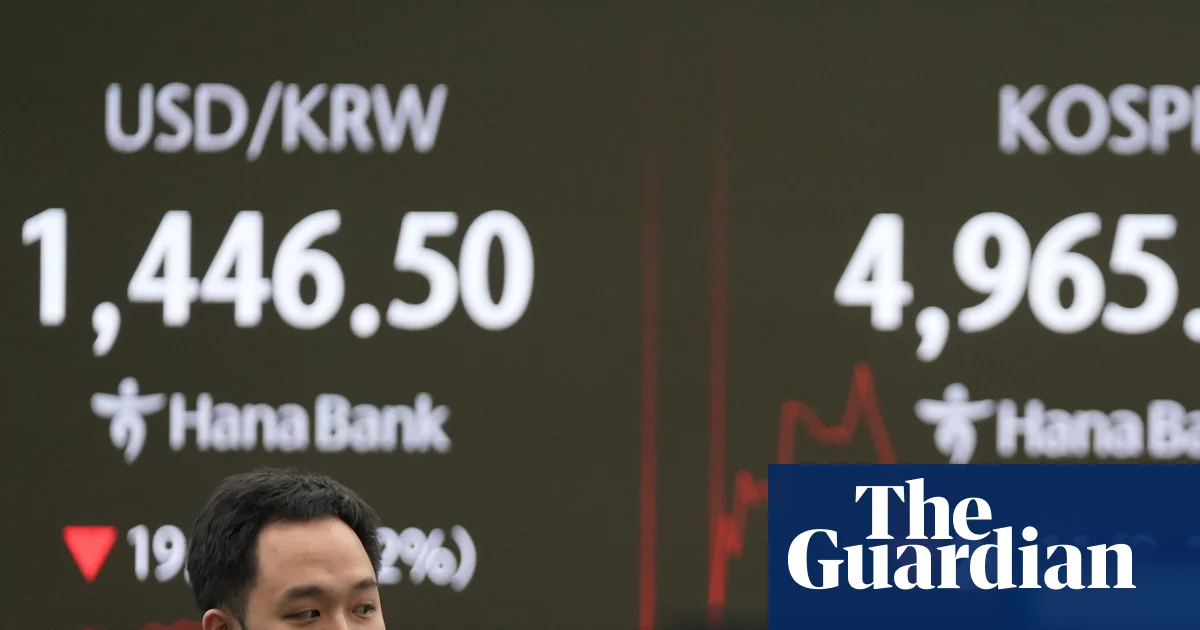
The United States under President Donald Trump has reignited tensions with its key allies by threatening significant tariff hikes on South Korea, threatening to reverse the gains from last year’s historic trade and security agreements. In a sharply worded social media post, Trump indicated that the tariffs on Korean exports would jump from 15% to 25%, citing the lack of parliamentary ratification of the deal as a pretext. While the US administration still has to formally initiate these measures, the move sent shockwaves through global markets and diplomatic circles, highlighting an aggressive stance that has become emblematic of Trump’s approach to foreign economic policy.
South Korea’s presidential office responded swiftly, stating it had not been notified of any impending tariff increase and planned to dispatch trade ministers to Washington for urgent talks. This diplomatic friction underscores a deeper discord over the status of last year’s agreement, which it claims was a mere memorandum of understanding rather than a binding treaty, thereby complicating its legal standing in Seoul. The dispute exemplifies how geopolitical decisions made in Washington directly impact South Korea’s industrial sectors, particularly automobile and pharmaceutical industries, which are vital to the nation’s economy. Historically, analysts emphasize that such tariffs pose a dual threat: they jeopardize economic stability and could lead to a wider ripple effect destabilizing the regional balance of power.
Broadening the Scope of Trade Warfare
- Since re-electing the aggressive trade policies, Trump has issued threats to multiple trading partners, including Canada and various European nations.
- He proposed a 100% tariff on goods crossing the US-Canada border, a move aimed at intimidating Canada as it explores a new trade deal with China.
- Earlier in January, Trump threatened to impose tariffs on European nations over a proposed purchase of Greenland, though these threats have since been rescinded amid international backlash.
International organizations, such as the World Trade Organization (WTO), have expressed concern over these volatile tactics, which risk undermining the post-World War II global trading system rooted in stability and predictability. Economists warn that Trump’s use of tariffs as leverage, often seemingly impulsively, injects an unprecedented level of uncertainty into international markets. The Atlantic Council‘s Josh Lipsky pointed out that recent actions are a clear indication of growing impatience among US policymakers, with the volatility alone imposing significant costs across global markets.
Impacts on Global Geopolitics and Society
This relentless brinkmanship reflects a broader shift in international relations, where economic disputes are increasingly intertwined with geopolitical strategy. As the US demonstrates a willingness to impose unilateral tariffs to punish allies and enemies alike, it signals a departure from traditional multilateral diplomacy. The ripple effects extend far beyond trade numbers, affecting national security alliances, regional stability, and societal welfare. Countries like South Korea now face the dual challenge of safeguarding their economic interests while navigating an increasingly unpredictable global landscape—a scenario that history warns could lead to lengthy conflicts with long-term repercussions.
History scholars observe that recent precedents—such as the Smoot-Hawley tariffs of the 1930s—remind us how protectionist measures can deepen global economic downturns and foster international discord. As the world watches, it remains uncertain whether this volatile phase will mark a turning point toward renewed cooperation or a descent into protracted trade wars that threaten the fabric of global stability. The unfolding decisions and reactions today may well define the geopolitical landscape for decades to come, leaving a legacy etched into history’s cumulative story of conflict and resilience.