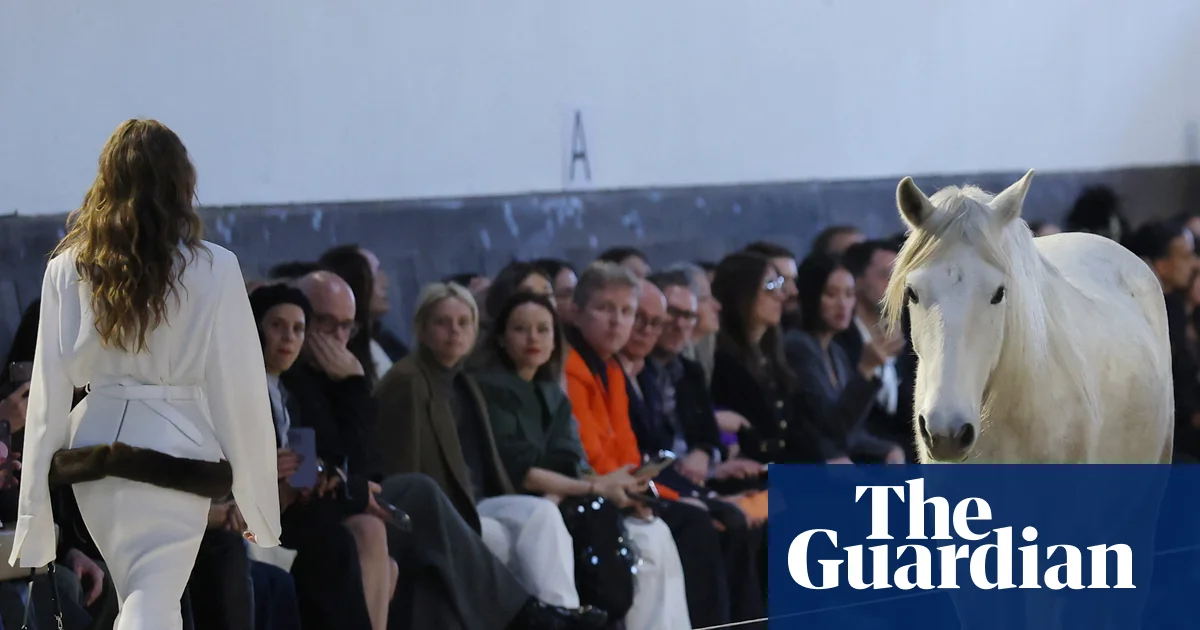
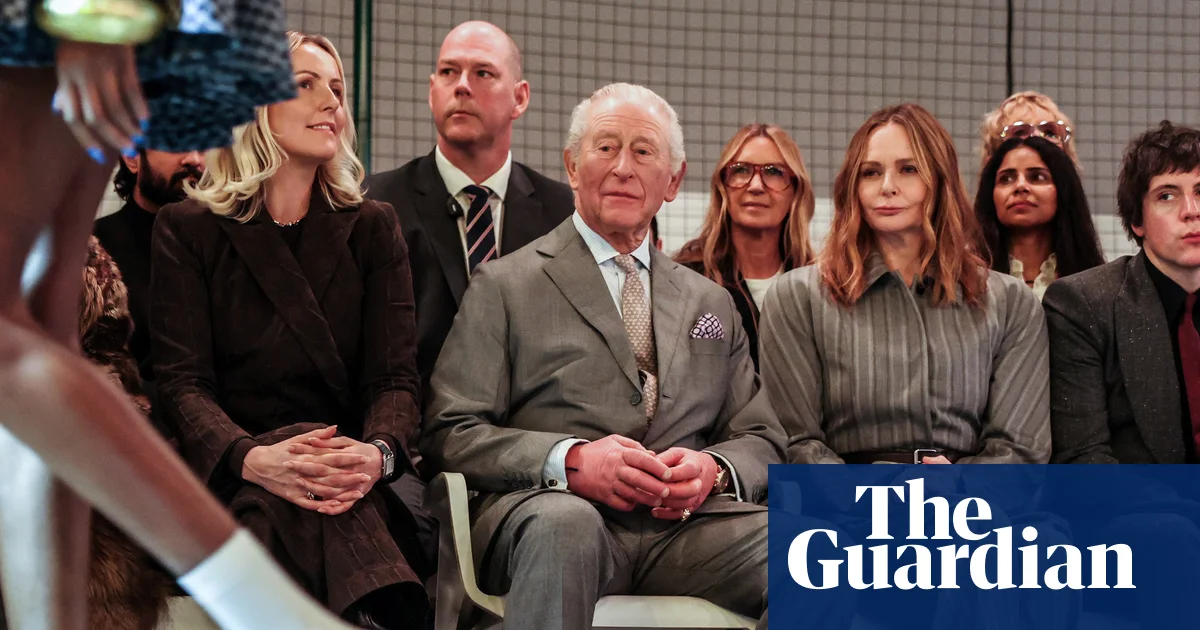
The Beckham empire continues to captivate the modern zeitgeist, demonstrating how a family brand can evolve beyond sports and fashion into a broader cultural phenomenon. Recently, Victoria Beckham showcased her new collection at Paris Fashion Week, seamlessly blending history, artistry, and social influence. Her inspiration from Tamara de Lempicka, the Polish art deco painter known for her sinuous lines and vibrant colors, underscores a broader trend of designers drawing from historical art to set contemporary style narratives. This collection’s sober tailoring paired with decadent party dresses not only pushes fashion boundaries but also reflects a subtle shift toward understated elegance—a move that resonates with a generation seeking authenticity over excess.
An intriguing aspect of this fashion evolution is the cultural impact of the Beckhams’ expanded brand identity. The recent surge in their US recognition — driven by David Beckham’s rise in MLS and Netflix’s documentary about Victoria’s entrepreneurial journey — signifies a strategic shift from celebrity to cultural iconography. Their influence now extends beyond the football field and runway, shaping lifestyle trends among youth and young adults who value both style and social relevance. The fashion line, once in peril with a debt of £54m, has rebounded spectacularly, thanks to a savvy expansion into makeup and beauty. In 2025, combined sales across fashion and beauty escalated by 19% to over $170 million, with profits quadrupling, marking a definitive turning point from near-collapse to industry contender. This resilience showcases a broader societal appetite for brands that combine heritage and modernity, blurring traditional lines of consumer allegiance.
The Beckham brand is also pushing ahead with international expansion, planning new store openings in New York and Paris later this year—despite setbacks such as the collapse of Saks department store, which previously was their primary U.S. retail partner. This illustrates a larger trend in the global retail landscape: brands that are adaptable, leveraging both physical and digital spaces to reach an increasingly image-conscious audience. As Victoria notes her affinity for classics like tailored trouser suits with pockets — “the pocket queen” — her designs subtly symbolize the empowerment, independence, and practicality that define modern youth culture. The collection’s focus on neutral tailoring and flowing color palettes signals a shift—away from ostentation—toward a more refined, conscious form of expression that aligns with contemporary sensibilities and social values.
Yet, beneath these outward shifts lies a compelling question: as brands like Victoria Beckham’s solidify their cultural relevance through art, fashion, and celebrity storytelling, what does this say about the future of status and identity? Will the next wave of youth-driven trends continue to be shaped by the intersection of art, entrepreneurial audacity, and social media influence? These are the questions the industry is beginning to ask itself, as the Beckham story — a perfect storm of family legacy, artistic inspiration, and entrepreneurial resilience — continues to unfold. The next chapter may hold even deeper transformations, forcing us to ask: can a brand remain both socially relevant and authentically modern, especially in an era where authenticity itself is a trending commodity?