Venezuela’s Political Prisoner Releases: A Tactical Move Amid Growing International Tensions
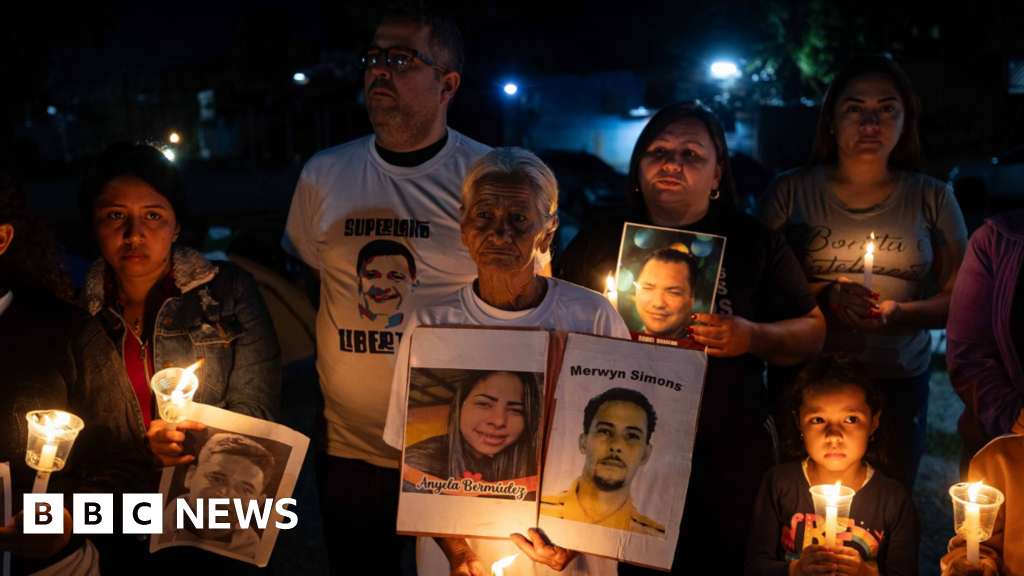
In a striking development that underscores the ongoing geopolitical struggle between the United States and Venezuela, reports indicate that at least 80 political prisoners have been released from captivity. According to a leading Venezuelan human rights organization, these releases are largely attributed to pressure exerted by Washington, which recently seized Venezuelan President Nicolás Maduro in a covert operation in New York and took him to stand trial on drug trafficking charges. This move by the US signals a significant escalation in its approach to Bolívarian politics, aiming to destabilize the Maduro regime and shift regional power dynamics.
Since the drug-trafficking raid, Caracas has been under mounting international scrutiny. Venezuelan interim President Delcy Rodriguez claimed that more than 600 prisoners had been freed—an assertion swiftly contested by Foro Penal, a reputable human rights group, which stated that the figure has likely been inflated. Meanwhile, the group has confirmed the release of 156 political detainees since early January—many of whom remain in limbo without formal charges dropped, effectively barred from speaking publicly. Such measures highlight the Venezuelan government’s ongoing efforts to diffuse internal dissent while managing international image.
Legal limbo and suppression continue to haunt many of those released. Gonzalo Himiob, a lawyer representing Foro Penal, emphasized on social media that the number of freed prisoners might increase as verification continues. This cautious optimism comes amid accusations from human rights activists who contend that the regime’s motivation is less about justice and more about manipulating international perception. The impending phone call between Rodriguez and the United Nations High Commissioner for Human Rights reflects a fraught attempt to legitimize the releases while navigating accusations of political repression. Critics argue that the Venezuelan government has long exploited arrests to silence critics and suppress opposition—especially following the disputed 2024 presidential election, which Maduro claimed victory amid widespread allegations of fraud.
This scenario reveals a delicate geopolitical balancing act. While the US aims to weaken Maduro’s influence, its intervention risks further destabilizing Venezuela—potentially opening the door to greater chaos and regional insecurity. Analysts warn that international pressure could push Caracas to double down on authoritarian measures, using the guise of political openness as a façade for continued repression. Historically, such tactics have created a volatile environment, fostering lawlessness and deepening societal divisions. The situation remains volatile, with the weight of history pressing down; the steps taken today might echo through generations, defining whether Venezuela’s future will be marked by renewed hope or irreversible decline.