Fact-Check: Did Jeffrey Epstein Have Connections with Celebrities, Politicians, and Royals?
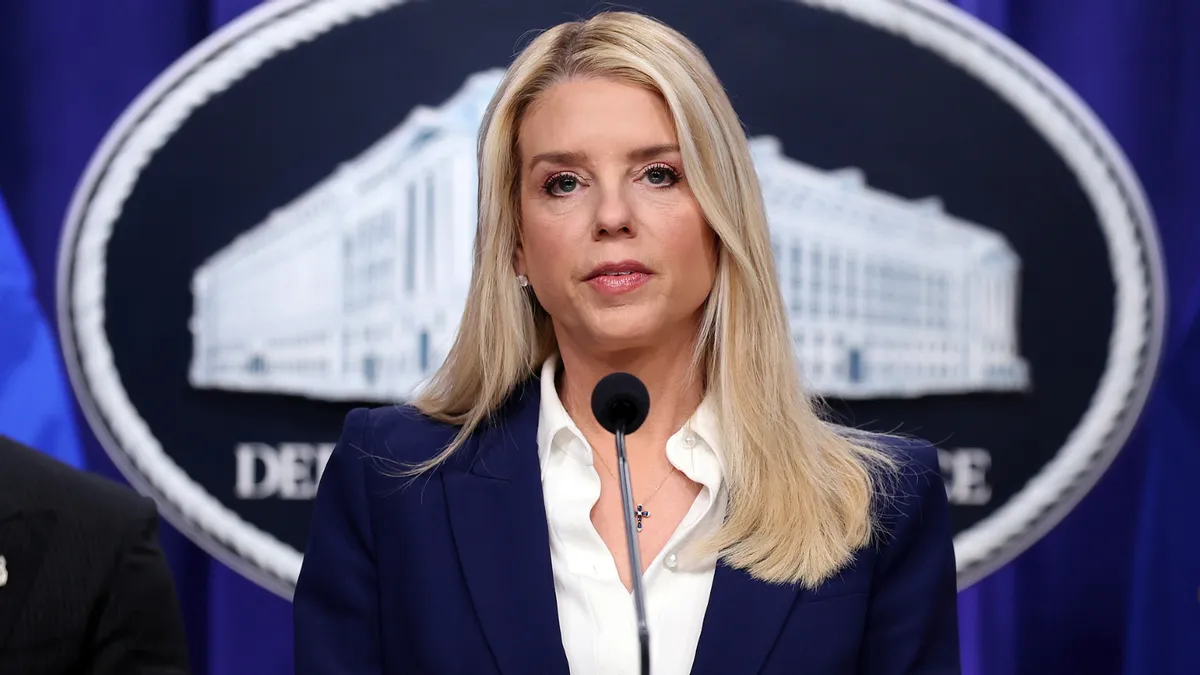
In recent days, headlines have surged claiming that the U.S. Department of Justice (DOJ) released files revealing Jeffrey Epstein’s extensive contacts with high-profile celebrities, politicians, and royals. The implications are serious, prompting many to question the breadth of Epstein’s influence and whether this newly uncovered information highlights systemic issues within power structures. However, a thorough review of the facts clarifies what these files actually show, and what remains uncertain.
The DOJ’s release, which has garnered widespread attention, provides previously classified documents concerning Epstein’s criminal activities and associated contacts. The files contain records indicating Epstein’s correspondence and meetings with several prominent individuals. However, it is essential to separate fact from speculation. Claiming that these files explicitly prove Epstein engaged in criminal conspiracies or that all listed individuals were complicit without evidence is misleading. The documents primarily establish associations, not guilt or involvement in criminal acts.
A key point of clarification centers on the evidence’s scope. According to the Department of Justice’s official statements, these files include “communications, flight logs, and meeting records” that show Epstein’s network extended into elite social circles. Some of these individuals are well-known and publicly documented to have interacted with Epstein. The controversy lies in interpreting what these contacts imply. Having associations or contacts in itself is not proof of misconduct or criminal complicity. Experts like former federal prosecutors and legal analysts emphasize that mere contact, unless linked directly to illegal activities, does not suffice to establish guilt.
Furthermore, the files’ contents have been scrutinized by investigative organizations such as ProPublica and The Wall Street Journal. Their assessments indicate that while Epstein’s connections with certain individuals are well-documented, the evidence does not conclusively prove that those connections resulted in illegal activities or cover-ups. In other words, the files reveal Epstein’s extensive social network but do not automatically implicate his associates in wrongdoing. This differentiation is crucial to prevent unwarranted smear campaigns and to uphold the principle of innocent until proven guilty — a bedrock of American justice.
It is also noteworthy that Epstein’s connections to certain higher-profile figures prompted investigations but often resulted in limited charges or inconsistent legal outcomes. In some cases, connections did not translate into criminal charges against those individuals. Legal experts like Harvard Law professor Alan Dershowitz have argued that public narratives often conflate association with culpability, which can distort the understanding of these complex cases. As the facts now stand, the evidence supports a narrative that Epstein was a well-connected individual whose social network included influential people, but it does not rigorously establish their participation in illegal activities.
In conclusion, while the Department of Justice’s files shed light on Epstein’s extensive network and provide concrete proof of his contacts with notable figures, they do not, in isolation, confirm any widespread conspiracy involving celebrities, politicians, or royalty. The evidence clarifies that Epstein’s influence and connections, though significant, must be distinctly distinguished from criminal complicity. Ultimately, transparency and factual accuracy are essential to uphold trust in our justice system and to foster a responsible understanding of the facts. Only through rigorous fact-checking can we ensure that the truth – absent political sensationalism – remains our guiding principle in safeguarding democracy and accountability.