

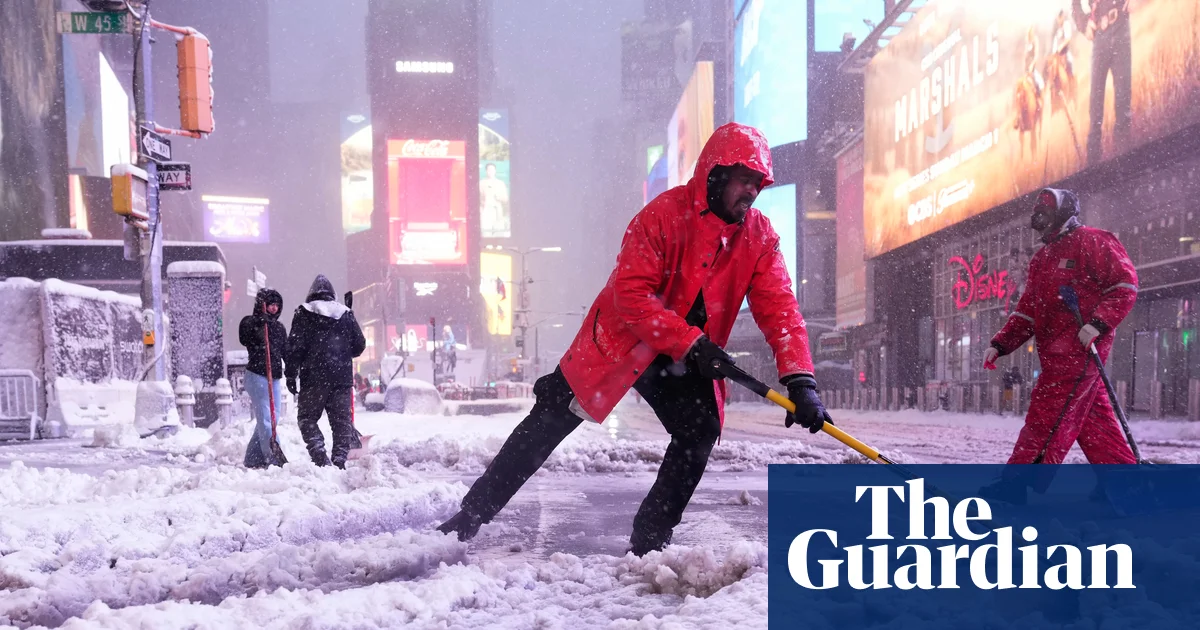
As North America grappled with a record-breaking winter storm, the recent blizzard that swept through the North-eastern United States exemplifies the growing intensity and unpredictability of climate phenomena. Heavy snowfall exceeding 2 feet in several cities, with gusts over 30mph, has paralyzed transportation networks from New York City to Boston. Emergency declarations in multiple states and the suspension of flights and public transit underscore the storm’s immediate impact on society. Yet, beyond the immediate chaos, this weather event raises pressing questions about how global instability, driven by climate change, is influencing geopolitical stability and societal resilience.
While the storm’s physical toll is evident—power outages affecting nearly 700,000 along the east coast and widespread shutdowns—its geopolitical implications are more subtle but no less significant. In response to the crisis, local governments mobilized extensive emergency efforts, from expanding shelter capacities to deploying snow removal crews. However, these responses also expose underlying vulnerabilities, especially in major urban centers that serve as economic hubs. The combined effect of worsening weather patterns and ongoing urbanization in vulnerable regions exacerbates social inequalities and strains national infrastructure. Analysts warn that such natural disasters, if persistent, could destabilize regional economies and trigger migration crises, forcing governments worldwide to reconsider their climate resilience strategies.
The international reaction remains muted but attentive, with some experts and organizations warning that climate-related disturbances could usher in a new era of geopolitical volatility. According to the International Panel on Climate Change (IPCC), the increasing frequency of extreme weather events correlates strongly with rising global temperatures caused by unchecked emissions. Meanwhile, thought leaders among historians and geopolitical analysts highlight that nations most affected by climate stress are often those with fragile political structures or limited resources for disaster mitigation—risking destabilization and conflict. For instance, the U.S. storm comes amid mounting tension in other regions, such as Ukrainian and Taiwanese flashpoints, where climate stress compounds existing geopolitical disputes.
















