Assessing the Truth Behind U.S. Claims on Iran’s Nuclear and Missile Threats
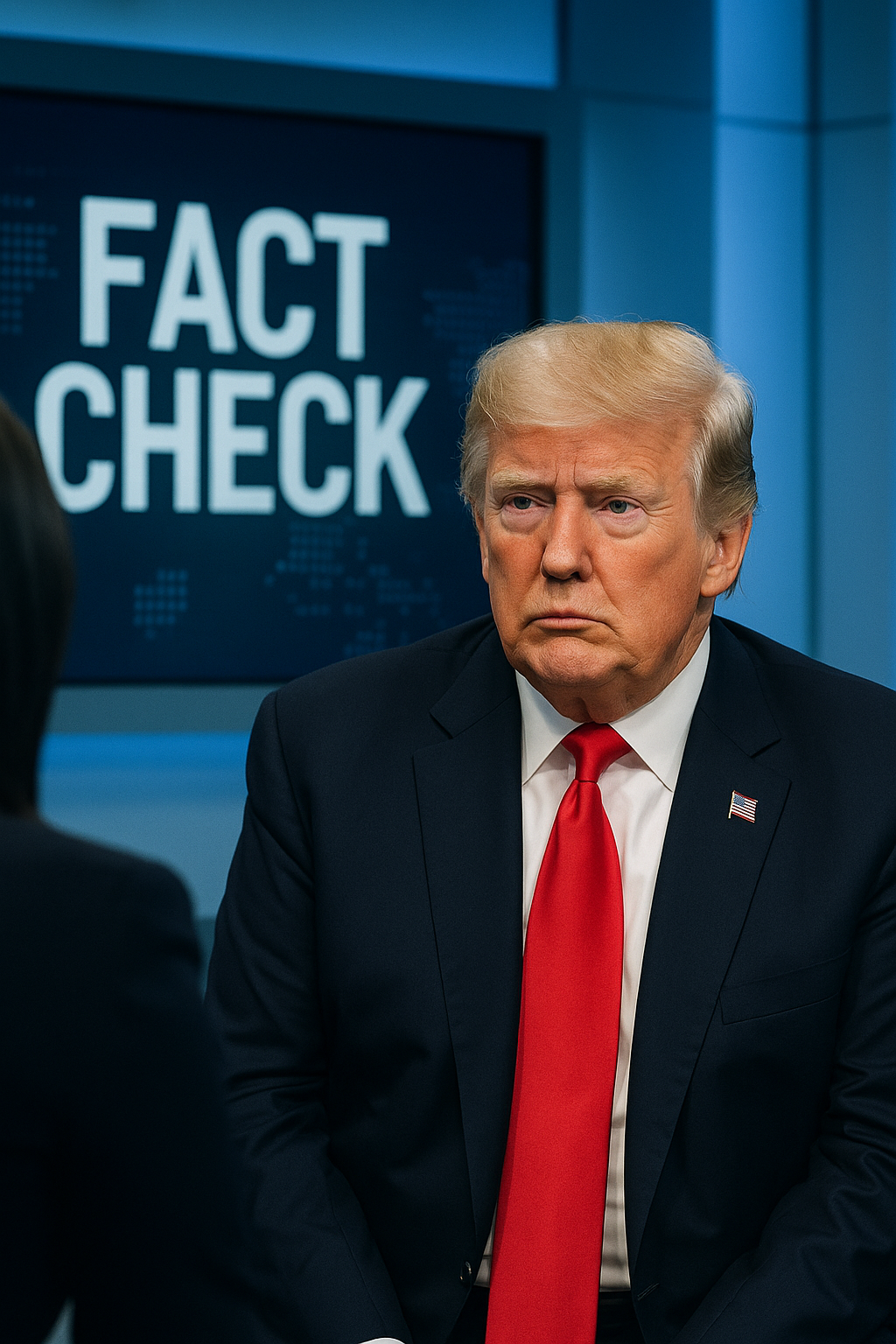
In recent remarks, President Donald Trump asserted that “an Iranian regime armed with long-range missiles and nuclear weapons would be a dire threat to every American.” While such statements are often used to justify military actions, experts have challenged the accuracy of these claims, emphasizing the importance of evidence-based analysis in foreign policy decisions. Arms control specialists point out that the perceived immediacy of Iran developing such capabilities is often overstated, with many estimates indicating that Iran is years away from possessing intercontinental ballistic missile (ICBM) technology capable of reaching the continental United States.
Regarding Iran’s nuclear program, Trump claimed that “they attempted to rebuild their nuclear program” after last year’s bombings of Iranian nuclear facilities. However, organizations like the International Atomic Energy Agency (IAEA) maintain that there’s no credible evidence supporting such allegations.
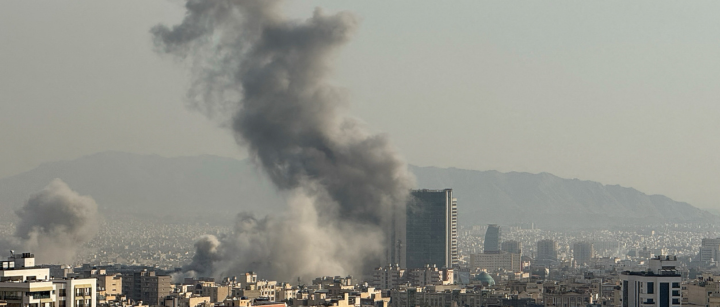
- While the bombings in June 2025 severely damaged Iran’s major uranium enrichment sites, the IAEA concluded that there was no indication of ongoing or undeclared nuclear weapons programs before or after those strikes.
Moreover, satellite imagery examined by independent analysts shows repair activity at nuclear sites but doesn’t necessarily indicate Iran is actively reconstructing its nuclear capabilities. Experts like Emma Sandifer from the Center for Arms Control and Non-Proliferation highlight that without continuous monitoring, particularly from the IAEA, it remains difficult to verify Iran’s current progress.
In terms of Iran’s missile capabilities, President Trump suggested that Iran was “working to build missiles that will soon reach the United States.” Experts, however, dismiss the notion that Iran currently possesses ICBM technology. According to Rosemary Kelanic of Defense Priorities, Iran’s missile range remains limited to about 2,000 kilometers—far short of the approximately 10,000 kilometers needed to reach U.S. mainland territories. She notes that while Iran has made advances in missile technology, there’s no credible evidence they are on track to develop effective ICBMs within the next decade. Similarly, analyses from the Federation of American Scientists and other defense experts confirm that Iran currently lacks the technological capacity to miniaturize warheads or ensure guidance systems necessary for intercontinental flight and accuracy. Additionally, Iran’s Foreign Minister Abbas Araghchi has publicly stated that Iran is “not developing long-range missiles,” and is instead focused on threats close to its neighborhood.
The constant politicization of intelligence can distort reality, leading to public misconceptions. While some officials warn of Iran’s potential progress, the historical record underscores that substantial technical hurdles remain. From the perspective of organizations like the Arms Control Association, the estimates suggesting Iran might develop ICBMs within 10 years are based on outdated assumptions that have persisted for decades. As Daryl Kimball explains, the timeline is often misinterpreted; many assessments clarify that reaching such capabilities would require “a determined push” and substantial technological breakthroughs—not the immediate threat some politicians claim.
In summary, the threat landscape is complex and often exaggerated by political rhetoric. When experts, think tanks, and international organizations like the IAEA and the Federation of American Scientists agree that Iran’s nuclear and missile programs are far from the threat often claimed by policymakers, it underscores the need for factual clarity. Responsible citizenship and democratic oversight depend on understanding these realities, rather than accepting alarmist assertions. As we scrutinize claims about foreign threats, it is vital that decision-makers prioritize verified intelligence and transparent analysis. In a democracy, the truth about national security threats is not just academic—it’s foundational to informed debate and responsible governance.