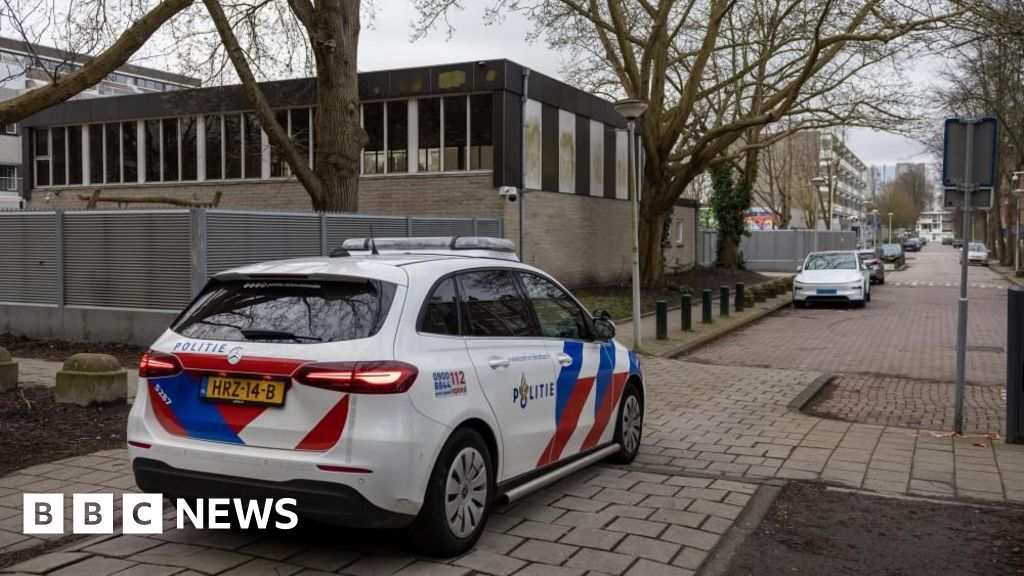
In a clear reflection of the shifting geopolitical landscape, recent events have prompted heightened security measures at Jewish public institutions across Europe, following a disturbing incident in Rotterdam. This development underscores the ongoing challenges facing Western nations as they navigate the complex balance between safeguarding civil liberties and protecting their citizens from emerging threats. The incident signals a potential uptick in anti-Semitic violence, which European governments have long warned could destabilize social cohesion if left unchecked.
European security agencies and international organizations are now grappling with how to respond effectively. In Rotterdam, authorities responded swiftly, increasing patrols at synagogues, community centers, and Jewish schools. Yet, such measures are merely reactive, highlighting a deeper, systemic problem: rising intolerance and radicalization fueled by shifting political narratives and regional conflicts. Analysts from the European Agency for Fundamental Rights have noted a sharp increase in anti-Semitic incidents over the past year, correlating with broader tensions in the Middle East and increased migration from unstable regions.
Historically, Europe has been a continent scarred by oscillating waves of violence, which now appear to be re-emerging in new forms. The incident in Rotterdam is viewed by many experts as a warning sign, a potential turning point that underscores the fragile stability of European multicultural societies. International peace and security organizations have issued statements cautioning against complacency, emphasizing the importance of countering hate crimes and fostering community resilience. The United Nations has urged member states to reinforce their commitments to tolerance, yet critics argue that political inaction and the failure to confront radical ideologies continue to allow the threat to metastasize.
The geopolitical impact of these events extends beyond Europe. As the world watches, rising tensions between major powers—including the United States, Russia, and China—are causing ripples that influence regional stability. European nations, particularly those in NATO, perceive these incidents as indicative of broader shifts, where internal security is intertwined with global power struggles. Strategists warn that if these threats are not curtailed, there could be a resurgence of nationalist rhetoric and rhetoric-driven policies that threaten international cooperation and peace.
As history continues to unfold, the persistent question remains: how will nations respond to these mounting challenges? Will they fortify their commitments to unity and tolerance, or will they succumb to division and fear? The answer lies in their ability to confront the darker chapters of history with resolve and wisdom, lest the lessons of the past become nothing but echoes in an increasingly uncertain future. For now, the weight of history presses heavily upon the present, reminding all that the struggle for peace and security is ongoing, and the choices made today will shape the world of tomorrow.