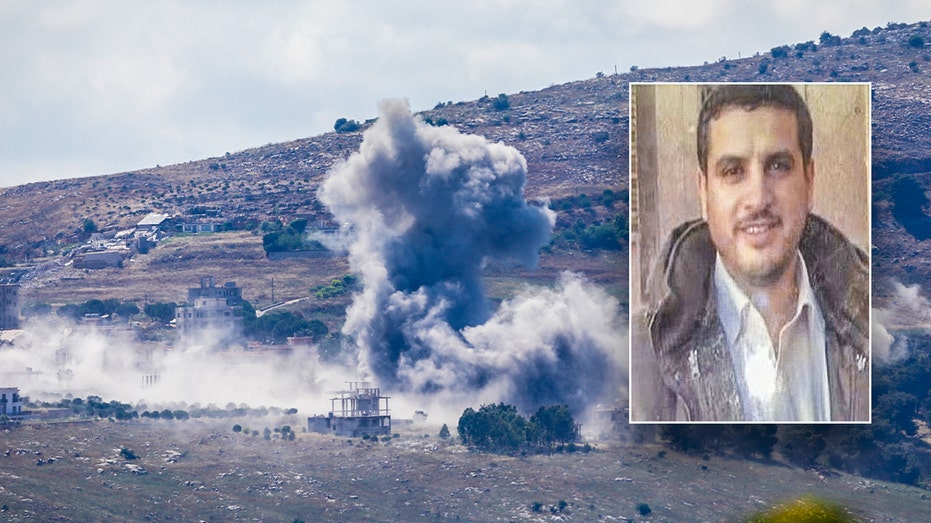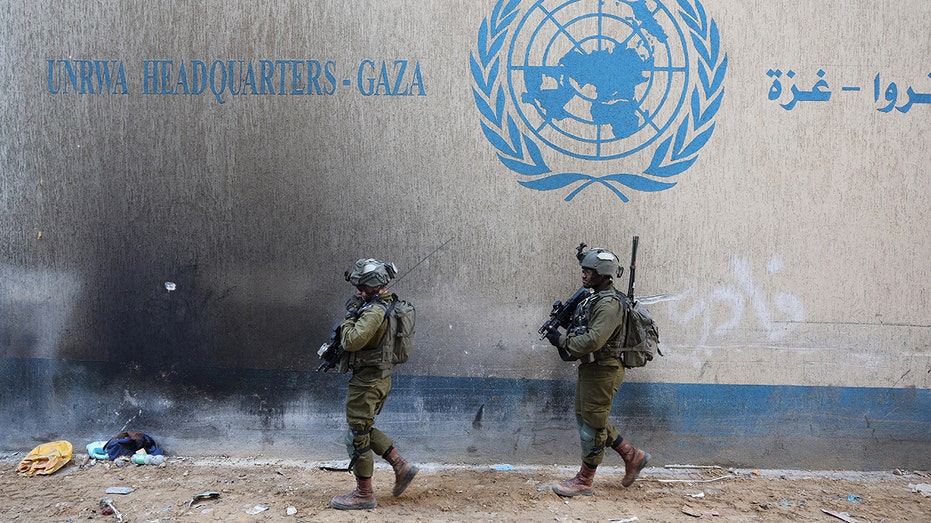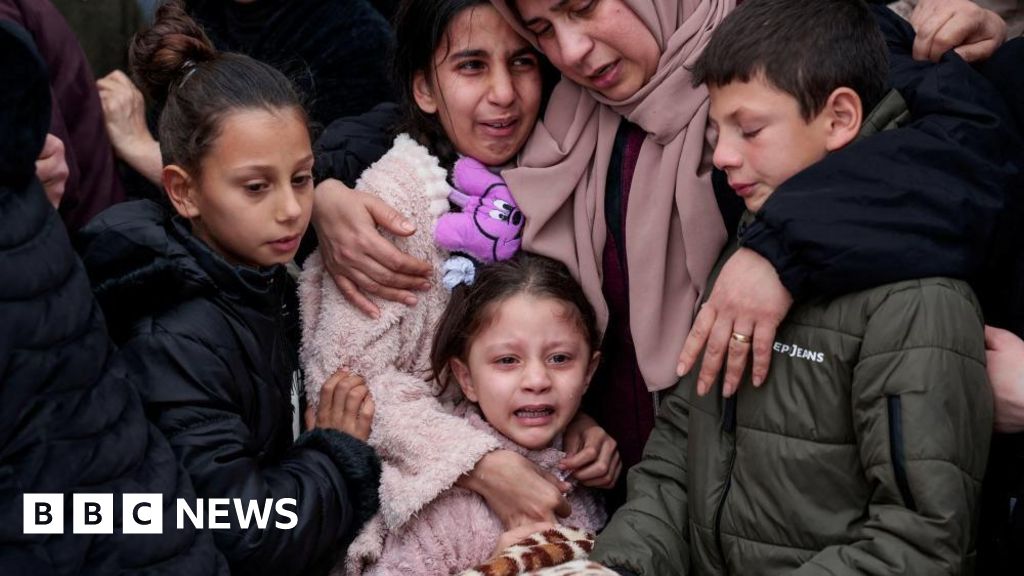
In a devastating development that underscores the enduring brutality of the Israeli-Palestinian conflict, reports from the Palestinian health ministry confirm that five-year-old Mohammed and seven-year-old Othman lost their lives, alongside their parents, amidst recent hostilities. Such tragedies continue to illuminate the human toll of a conflict that has persisted for generations, with innocent children often caught in the crossfire. These losses, while deeply personal, ripple outward, influencing the geopolitical landscape and shaping international responses.
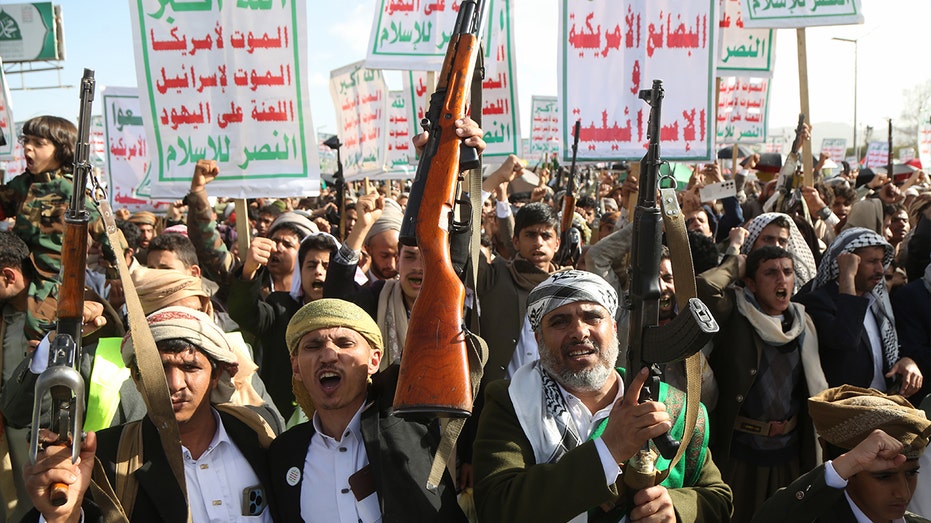
Israel and Palestine remain at the heart of an enduring dispute characterized by violence, displacement, and international concern. Recent escalations have prompted accusations and condemnations from various global actors, with analysts emphasizing a turning point in the ongoing struggle. Human rights organizations warning that continued hostility only entrenches hardship, yet the international community’s ability to effect meaningful change remains hampered by entrenched political divides. How these decisions impact societies—particularly vulnerable populations like children—cannot be overstated, as each incident compounds decades of suffering.
The international response has been mixed, with United Nations agencies and regional powers calling for de-escalation and humanitarian aid. However, critics argue that diplomatic efforts are often hamstrung by geopolitical interests. The recent violence, including the tragic death of innocent children, signals that the cycle of retaliation and violence persists, threatening regional stability. Many experts, including historians and seasoned diplomats, suggest that unless there is a decisive shift—possibly a new initiative or peace process—the conflict will continue to claim lives indiscriminately, dragging entire societies into further despair. The loss of Mohammed and Othman serves as a stark reminder of how the eternal cycle of violence defines the Israeli-Palestinian saga, challenging international actors to confront the harsh realities faced on the ground.
As history unfolds, the enduring questions remain: will the international community muster the resolve to impose lasting peace, or will these tragic deaths be yet another chapter in a seemingly unending story of loss? The tragedy of lives lost in their infancy emphasizes the urgent need for a comprehensive and equitable resolution. For policymakers, analysts, and citizens worldwide, the weight of this history is heavy—each life lost echoing through corridors of power and public consciousness alike, urging a collective reflection that time is running out. The rising tide of violence leaves an indelible mark on the collective conscience, ensuring that the memory of innocent Mohammed and Othman—and countless others—will remain etched into history’s relentless march towards an uncertain future.