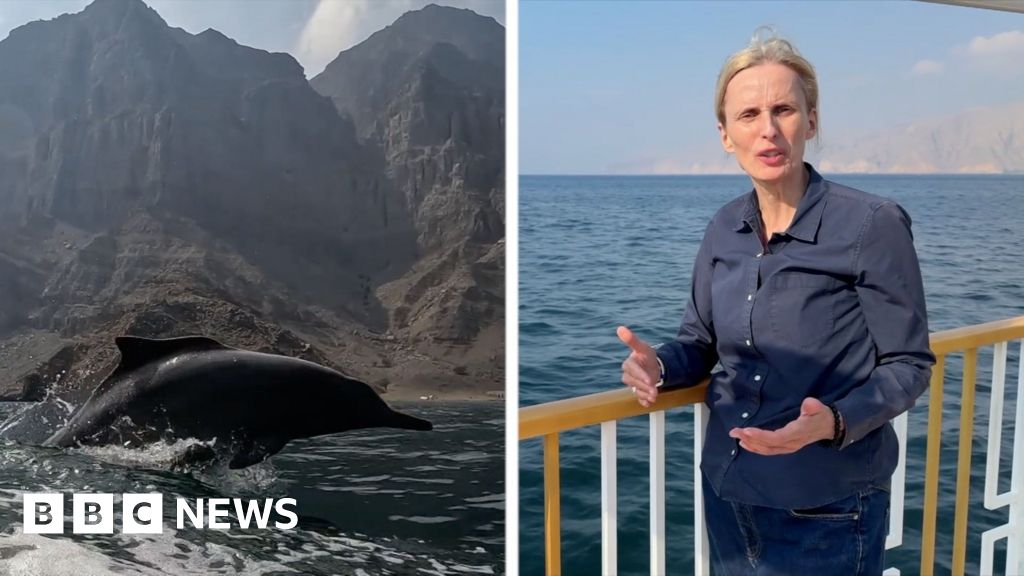
In an alarming development that underscores the fragile state of international energy security, Iran has extended its maritime restrictions at the Strait of Hormuz, a vital global conduit for nearly 20% of the world’s oil and liquefied natural gas. Senior correspondents, including Orla Guerin of the BBC, have reported from the strategic waters near Oman that Iran’s actions have effectively placed a stranglehold on maritime traffic—stranding ships and choking off a critical artery of the global economy. This move is not merely a show of regional power but a calculated step with seismic geopolitical implications.
By deploying tactics such as leaving commercial ships halted in these narrow waters, Iran’s leadership is intentionally constricting an essential supply chain, triggering a ripple effect across international markets. Energy analysts warn that such disruptions are unlikely to be temporary, with prices already seeing upward pressure and uncertainties mounting for energy consumers worldwide. Historians and geopolitical experts note that the escalation at the Strait of Hormuz represents a shift that could destabilize the global energy balance for years to come, forcing nations into difficult choices regarding alliances, military presence, and diplomatic strategies.
- International institutions like the United Nations have expressed concern over the escalation, urging restraint and dialogue to prevent further conflict.
- Countries heavily dependent on Persian Gulf energy supplies—such as China, India, and Japan—are watching anxiously, pondering the risks of supply interruptions that could cripple economies.
- Meanwhile, United States and allied nations have increased naval patrols in the region, signaling a readiness to defend maritime freedoms while attempting to de-escalate tensions through diplomatic channels.
International analysts warn that persistent disruptions at the Strait of Hormuz could catalyze a broader confrontation—whether through economic sanctions, military posturing, or renewed regional conflicts. As the world’s largest oil producers and global leaders navigate this perilous crisis, the lessons of history weigh heavily. The Cold War, the Gulf conflicts, and decades of diplomatic pressure serve as stark reminders that in such geopolitically sensitive zones, the stakes extend far beyond the immediate to shape the global order itself. The outcome remains uncertain, but the leadership decisions made today will echo through history, determining who wields influence and who bears the consequences.
As the sun sets over the Strait, shadows of uncertainty lengthen over the international stage. The geopolitical impact of Iran’s strategic moves at the Strait of Hormuz is a stark reminder that in a world increasingly driven by energy dependencies and regional rivalries, the fabric of peace is thin and fragile. History is watching, and the coming days may well write new chapters of conflict, diplomacy, or both—drawing us closer to a pivotal moment in global affairs where one decision can alter the course of nations and societies for generations to come.