

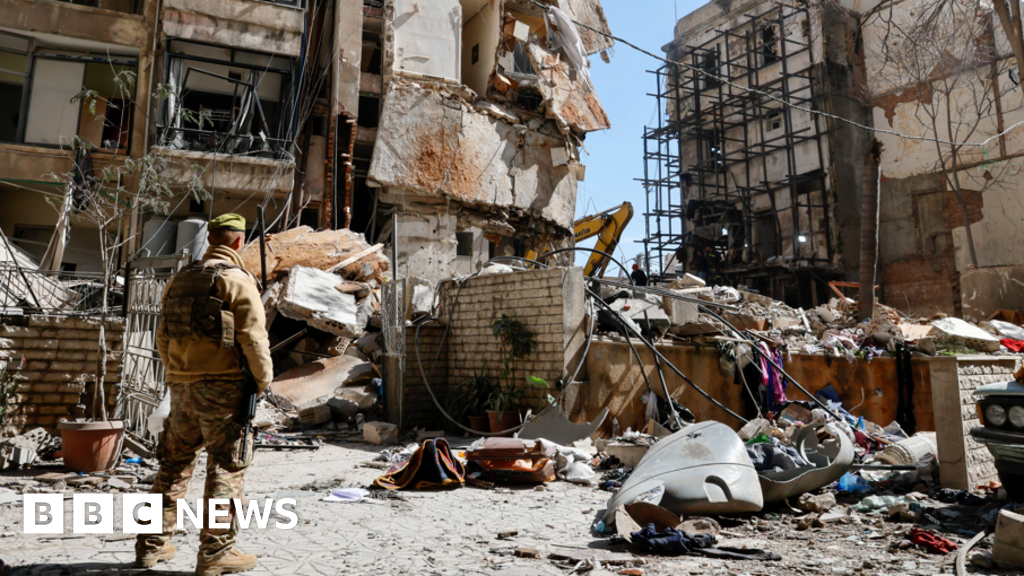
The recent declaration by Israel that Lebanon is not included in the ceasefire agreement brokered by the United States signifies a complex escalation in the ongoing regional tensions between Israel and Iran-backed entities. As the US facilitates diplomatic efforts to halt the broader conflict, the explicit exclusion of Lebanon highlights the fragile and unpredictable nature of Middle Eastern diplomacy. Analysts warn that this division could lay the groundwork for further destabilization, with profound geopolitical impacts reverberating across borders and societies.
At the core of this development lies the intricate web of alliances and enmities defining the region. Israel‘s stance reflects its caution in engaging with negotiations that exclude key actors like Hezbollah—a powerful Shia Islamistmilitia based in Lebanon and openly supported by Iran. The tension underscores a broader strategic calculus: while the US endeavors to leverage diplomatic channels to de-escalate confrontation with Iran, it faces the hard reality that regional allies and adversaries remain deeply divided. This division is emphasized by the fact that, according to some international experts, the exclusion of Lebanon from the ceasefire could be a strategic move by Israel to pressure Lebanese authorities and Hezbollah into reconsidering their stance during the ongoing conflict.
History has taught us, as noted by prominent defense analysts and scholars, that such exclusions often deepen regional fissures and can lead to unintended consequences. The United Nations and influential international bodies have expressed concern over the potential for renewed hostilities and the risk of broader regional proliferation of violence. The turning point in diplomatic negotiations underscores an ominous reality: the region’s volatile balance is susceptible to shifts driven by both military actions and diplomatic fissures. Lebanon’s omission from the ceasefire signifies not only a strategic decision but also a symbolic line in the sand that could influence future negotiations and regional stability.
As the world watches this unfolding chapter, historians and geopolitical analysts emphasize the significance of these developments in shaping the future landscape of the Middle East. The decision not to include Lebanon in the ceasefire pathway opens new questions about the possible escalation of hostilities and the fragile peace that remains at risk. With Iran’s influence wading deeper into regional affairs and Israel reaffirming its security parameters, the region faces a potentially turbulent period—an uncertain echo of a legacy that will be written by the decisions of today and the unforeseen consequences of tomorrow.
In the shadow of these geopolitical chess moves, history continues to unfold — a stark reminder that in this layered and turbulent landscape, peace remains an elusive prize, perched on the edge of shifting alliances and unspoken red lines. The question remains: how will this new dynamic reshape the contours of Middle Eastern conflict, and what future sacrifices will be required in an arena where diplomacy is continually tested by the harsh realities of power and survival? The weight of history presses down, unwavering, as the actors of this global theatre play their parts in a story still being written.
















