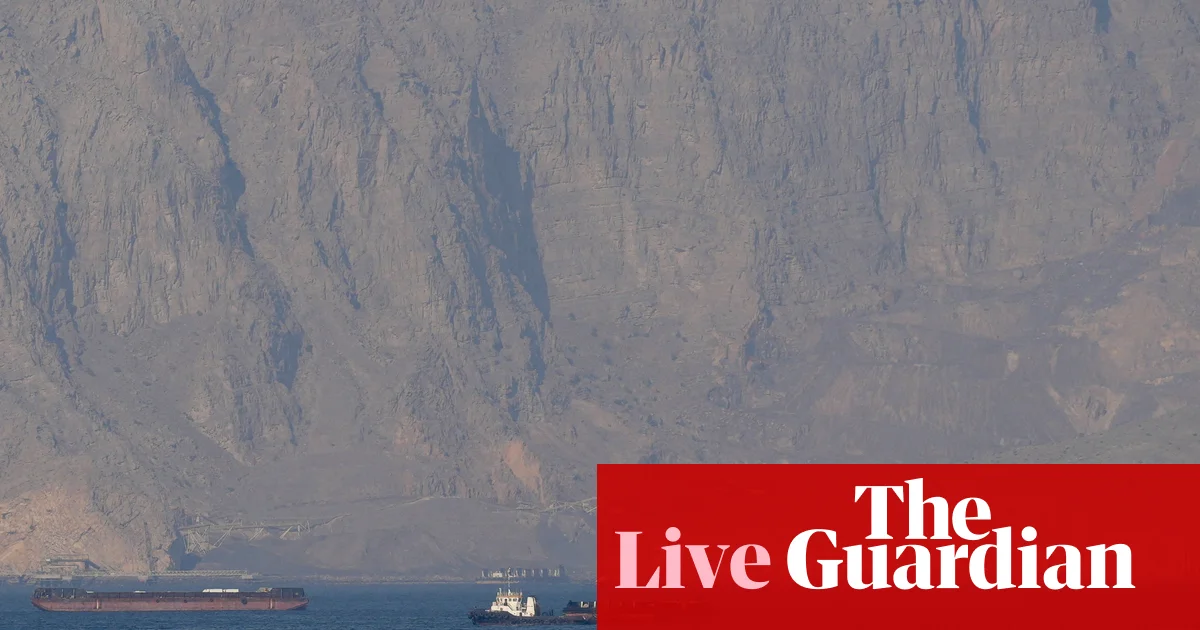
Global Tensions Surge as Iran and the US Approach the Brink amid Strait of Hormuz Crisis
The Middle East has become a flashpoint once again, with escalating tensions revolving around the strategic Strait of Hormuz, a vital artery for global energy supplies. Recent developments reveal a complex web of diplomatic and military maneuvers as Iran and the United States inch closer to a potential eruption of conflict. Iranian negotiator Mohammad Bagher Ghalibaf acknowledged progress in talks with Washington but underscored the persistent gaps on nuclear issues and control of the Strait, a critical chokepoint through which roughly 20% of the world’s oil passes daily. He expressed cautious optimism, yet the underlying discord suggests a volatile standoff that could threaten stability across the globe.
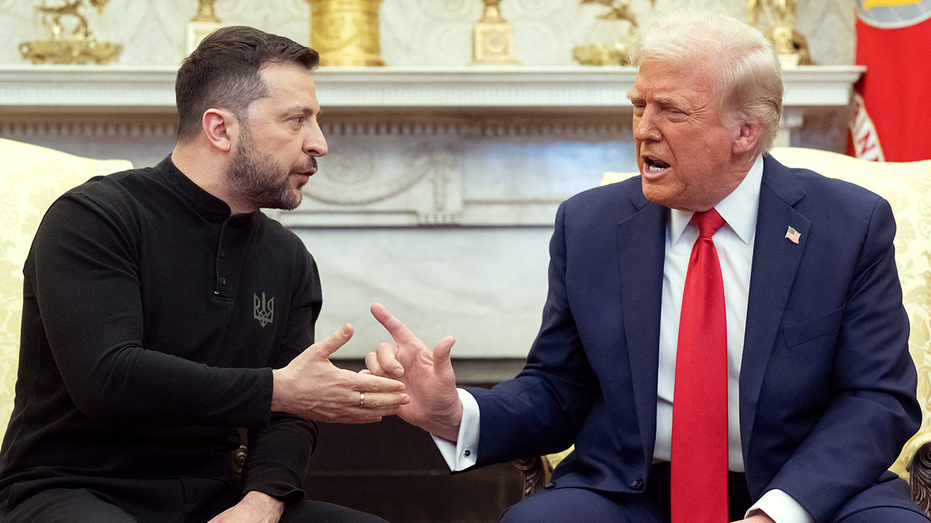
President Donald Trump publicly declared that the US was engaged in “very good conversations” with Tehran, but he also issued stark warnings against potential blackmail tactics over maritime routes. The US’s blockade of Iranian ports and its naval presence have fueled Iran’s reversal of the reopening of the Strait of Hormuz, reimposing restrictions that threaten to choke off global oil flows. On Saturday, Iran’s Khatam al-Anbiya military command announced it had reasserted control over the waterway, restoring the Strait to its “previous status” under strict military management. This move follows reports that Iranian Revolutionary Guard ships had fired upon a tanker attempting passage, with Indian-flagged vessels also targeted—a clear provocation with potentially far-reaching consequences.
Geopolitical Impact: A Powder Keg Ready to Ignite
Analysts and international security scholars warn that the escalation around the Strait of Hormuz is a turning point that could plunge the region into full-scale war absent a diplomatic breakthrough. The US convened a White House Situation Room meeting to evaluate the crisis, with senior officials warning that unless peace talks produce a significant agreement, a new conflict could erupt within days. The potential reopening of hostilities raises profound geopolitical questions about the future of global energy markets, regional stability, and the balance of power in the Middle East.
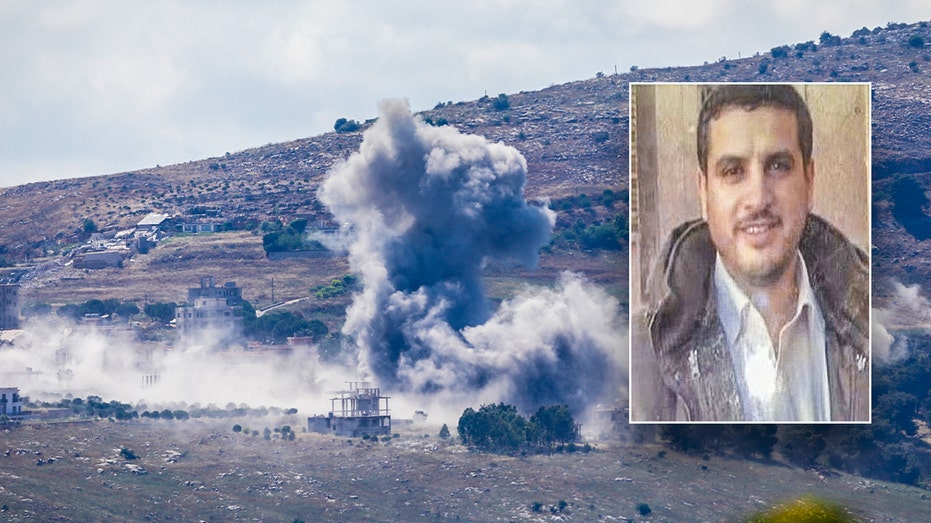
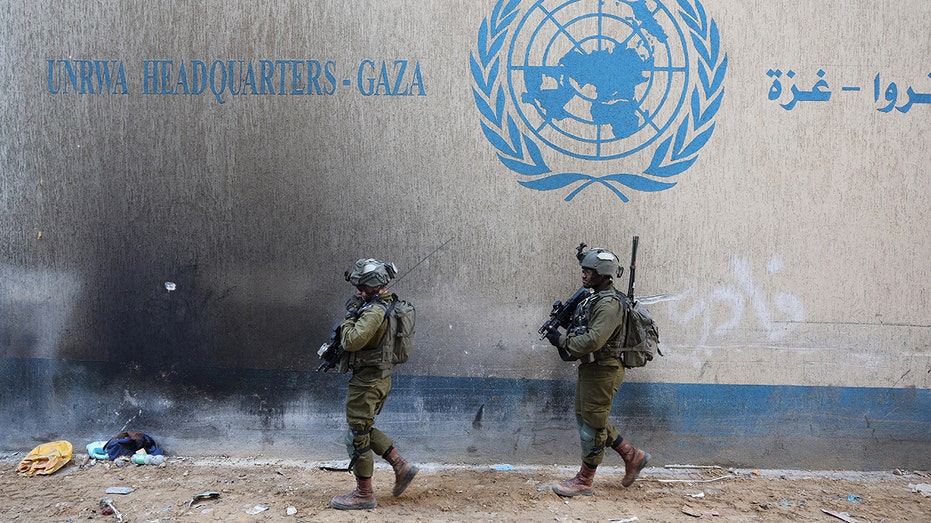
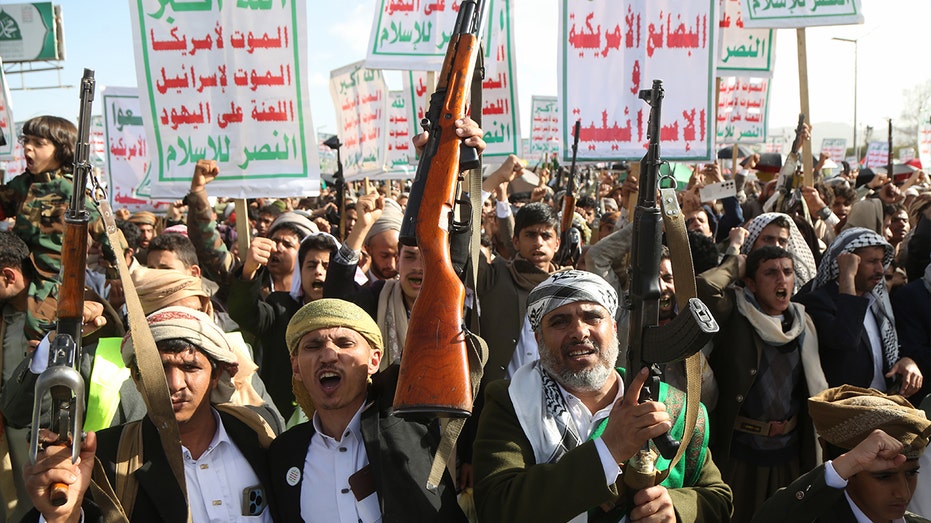
Meanwhile, regional actors such as Hezbollah have publicly denied involvement in recent deadly attacks against UN peacekeepers in southern Lebanon, efforts seemingly aimed at steering the broader conflict away from open regional war—yet the violence and military posturing suggest otherwise. Israeli forces have begun demolishing structures in border towns like Bint Jbeil, signaling a readiness to escalate border conflicts. Israeli military actions also extend into the Gaza Strip, where two UN-contracted drivers were killed, prompting a suspension of humanitarian aid operations. This sequence of provocations underscores how the crisis extends beyond Iran and the US, threatening to engulf Lebanon, Israel, and Palestinian territories in a broader regional upheaval.
How Decisions Shape Societies and Future History
The international landscape remains fragile, with diplomatic efforts hampered by mutual distrust and conflicting interests. Experts like geopolitical analyst John Bolton and organizations such as the United Nations warn of a possible “shadow war” burgeoning beneath the surface of diplomacy, with small military clashes potentially escalating into wider conflicts. The decision of President Trump to play golf amid this heightened crisis exemplifies a dissonance between leadership and the geopolitical urgency at hand—banner signals that the stability of oil markets and peace in the region hang in the balance.
As history continues to unfold, the way this crisis is resolved—or not—will determine the fate of millions caught in the crossfire. Will diplomatic patience prevail, or are we witnessing the initial moves toward yet another devastating regional war? The weight of history rests on current decisions, echoing lessons from conflicts past while forging pathways into an uncertain future. Global stability teeters on a knife’s edge, awaiting the next critical move that could reshape the geopolitical map for decades to come.