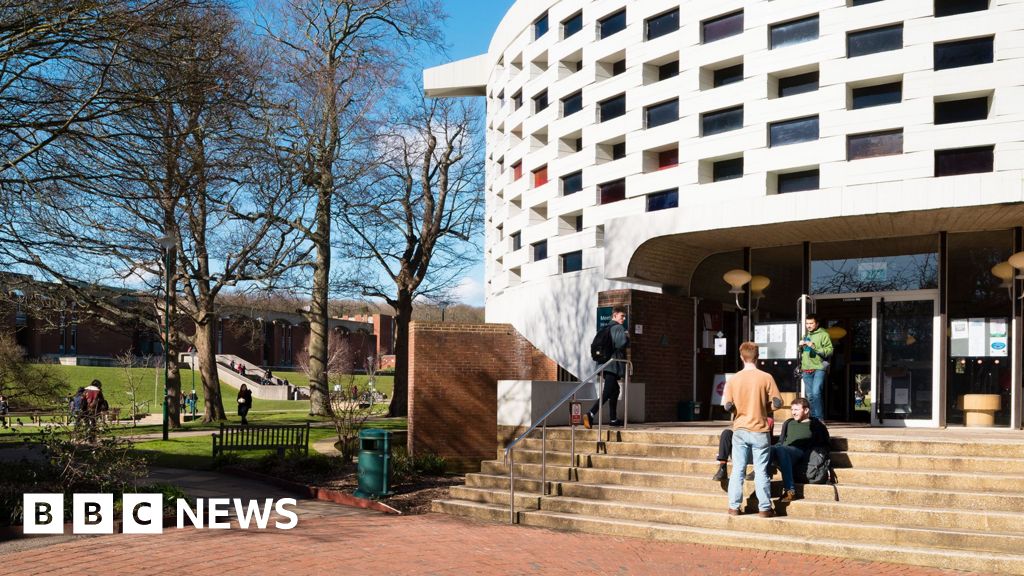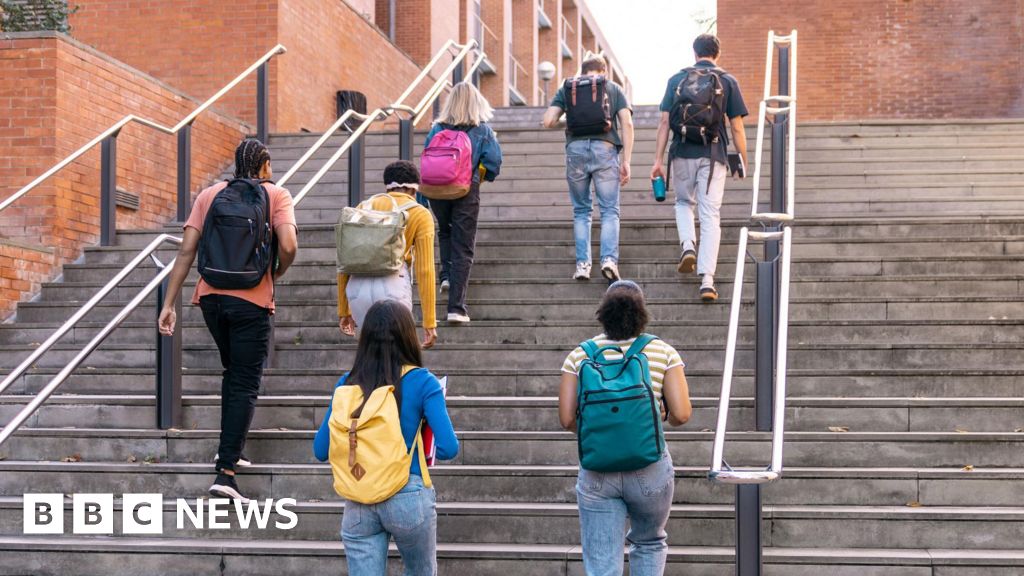
In an era defined by rapid cultural shifts and demographic diversification, institutions of higher learning find themselves at the crossroads of upholding free expression and ensuring social cohesion. Professor Malcolm Press, Vice Chancellor of Manchester Metropolitan University, recently emphasized this delicate balance, stating that “protecting free speech while preventing harassment, hate speech, and radicalisation are complex tasks involving finely balanced decisions.” His words highlight a broader societal challenge: how do we foster open dialogue without compromising the safety and dignity of vulnerable communities?
Social issues surrounding free speech and cultural representation profoundly influence families, education, and local communities. As sociologists like Charles Taylor and Kenan Malik have argued, the clash between individual rights and collective social responsibility is not merely legal or political but deeply rooted in cultural identities and moral values. Communities composed of diverse ethnicities and beliefs often grapple with tensions when societal norms shift toward inclusivity. This socio-cultural evolution, while enriching, also tests social cohesion, especially when conflicting narratives threaten to fracture the social fabric.
Amid these tensions, educational institutions are tasked with more than just imparting knowledge; they serve as battlegrounds for moral and cultural debates. Schools and universities are increasingly called upon to navigate issues of free speech, safe spaces, and the prevention of radicalisation. Critics argue that excessive regulation may stifle genuine discourse, while others see unchecked speech as a catalyst for harassment and division. How society strikes a balance directly impacts not only the academic environment but also the families raising children in these complex social landscapes. When young minds witness community debates over free expression, they are also learning how society resolves its disagreements—shaping future attitudes toward coexistence and civic responsibility.
Facing these multifaceted challenges, social commentators emphasize the need for robust dialogue grounded in shared values to foster understanding across differences. This approach, advocated by thinkers such as Jonathan Haidt, promotes the idea that respectful engagement” is essential in an era where demographic shifts can sometimes intensify social tensions. Ultimately, the goal is to nurture resilient families and cohesive communities, capable of dialogue even amid disagreement. Yet, the path forward isn’t without obstacles; safeguarding free speech requires vigilance against those who exploit openness to spread hate or radical ideas. Policymakers and community leaders bear a moral responsibility to create frameworks that uphold both liberty and security.
As society confronts these enduring issues, it becomes clear that the very fabric of our future depends on our collective will to uphold principles of freedom, responsibility, and mutual respect. Society’s strength lies not only in legislation but in the moral courage of individuals and communities willing to listen and learn. In this ongoing struggle for balance, hope persists—a hope that through dedicated effort and unwavering commitment, we can forge a society where families flourish, education enlightens, and communities unite despite their inevitable differences. The true challenge is to remember that beneath every societal debate lies the profound human aspiration for dignity, understanding, and a shared future worthy of our highest ideals.