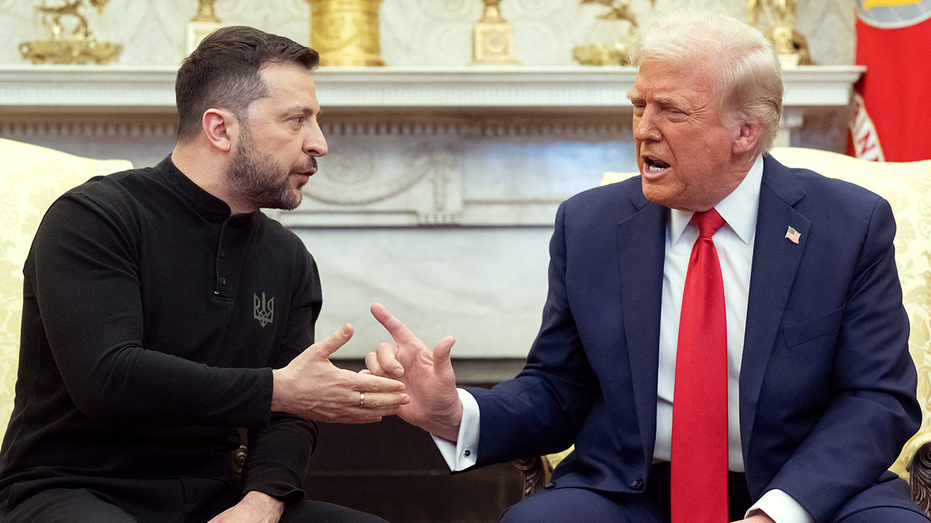
In a surprising development echoing through international corridors, President Donald Trump announced the cancellation of planned diplomatic negotiations with Pakistan. This decision signals a significant shift in U.S. foreign policy towards South Asia, an area already fraught with complex geopolitical tensions and strategic rivalry.
Historically, Pakistan has been a critical player in regional stability, especially given its strategic alliance with China and its long-standing conflict with neighboring India. The United States’ decision to back away from diplomatic talks may reflect broader reassessments of regional priorities, especially amid shifting global alliances and the rising influence of China. Some analysts suggest that this move could be an effort by the U.S. to recalibrate its approach toward Islamabad—perhaps leaning more toward a firm stance rather than dialogue—particularly in the context of ongoing counter-terrorism concerns and security partnerships.
Experts from the Council on Foreign Relations and other influential international think tanks have urged caution, emphasizing that such diplomatic setbacks could have far-reaching consequences. “This cancellation may undermine existing efforts for regional stability, and could escalate tensions between India and Pakistan, potentially destabilizing nuclear-armed South Asia,” warned veteran geopolitical analyst Dr. Marie Johnson. Moreover, the move underscores the evolving geopolitical impact of U.S.-China rivalry, which extends into the Indo-Pacific and South Asian regions, reshaping international diplomacy at a rapid pace.
Within the international community, there are growing concerns that such unilateral decisions might embolden extremist groups or foster greater instability within Pakistan, especially if diplomatic engagement is perceived as a sign of weakness or disinterest from the United States. Historically, U.S. actions—whether diplomatic or military—have had a profound impact on the socio-political fabric of Pakistan and its neighbors. The cancellation could also influence regional economic dynamics, as nations navigate a landscape of uncertain diplomatic relations and shifting alliances.
As the global arena braces for the ripple effects of this diplomatic pivot, history remembers moments like these as pivotal junctures, where decisions made in the corridors of power ripple outwards to shape the future of entire nations. With tensions simmering and new alliances being forged, the unfolding narrative leaves critics and supporters alike questioning: Are we witnessing the dawn of a new geopolitical era, or the dawn of chaos? The weight of history presses heavily as the world watches, awaiting what the next chapter will bring to an already volatile international order.