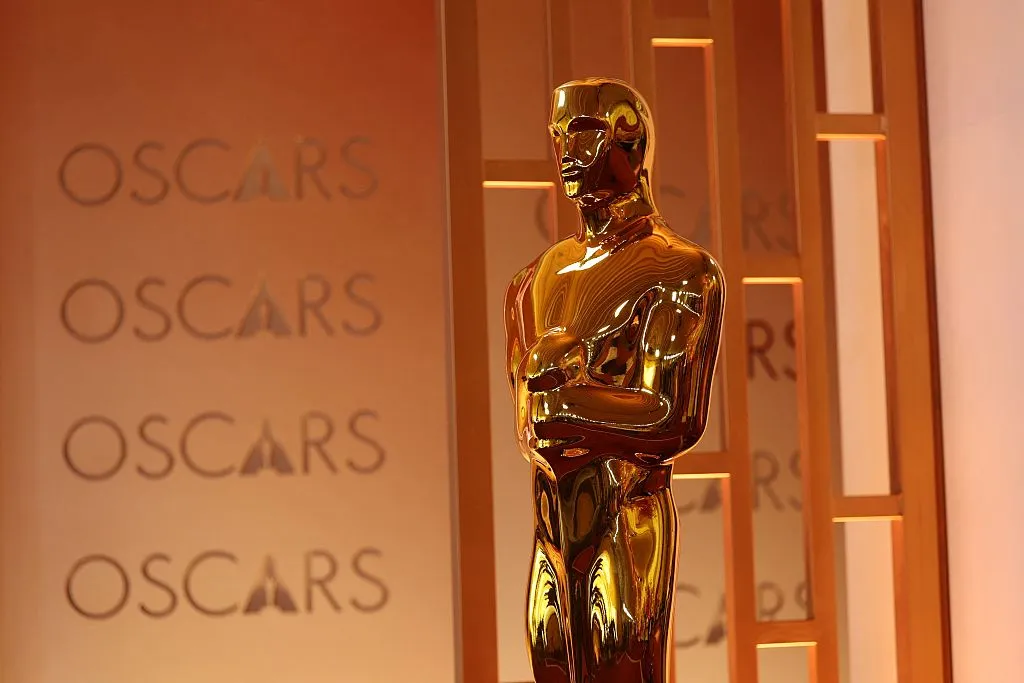
Hollywood Sets the Stage: AI Regulations Reshape Creative Norms
The Academy of Motion Picture Arts and Sciences has unveiled a groundbreaking set of regulations addressing the integration of generative artificial intelligence (AI) in filmmaking. In a move that signals a decisive shift towards safeguarding human creativity, the new rules specify that only performances credited in the film’s legal billing and demonstrably performed by humans with explicit consent will be eligible for Oscar recognition. Furthermore, screenplays must be human-authored to qualify for awards. These measures are emblematic of Hollywood’s broader attempt to clamp down on AI’s encroachment into traditionally human-dominated domains, and their implications ripple far beyond cinema, challenging technological innovation’s role in creative industries.
The academy also asserted the right to request detailed disclosures regarding a film’s AI usage and human authorship, reinforcing a desire for transparency in an era increasingly dominated by machine-generated content. This regulatory stance comes at a time of intense industry debate around AI’s disruptive potential—a debate fueled by high-profile projects such as an AI-generated Val Kilmer portrayal and the emergence of AI “actors” like Tilly Norwood. Such innovations threaten to revolutionize casting, scriptwriting, and production workflows, but also raise pressing questions about authenticity, intellectual property, and industry integrity.
Aside from Hollywood’s showcase, disruption extends to the written word. An independent publisher has rescinded a novel over AI deployment concerns, and writers’ associations are increasingly vocal about AI making literary works ineligible for prestigious awards. The trend highlights a growing industry-wide skepticism about AI’s role in creative excellence, with major players such as Gartner and MIT warning about the potential erosion of craftsmanship and originality.
The future of these industries hinges on how policymakers, creators, and technologists navigate this rapidly evolving landscape. Innovation cannot be halted, but its trajectory must be carefully managed. The disruption unleashed by AI technology—whether in filmmaking, literature, or other creative fields—presents a critical inflection point. Major firms, including tech giants and entertainment conglomerates, must adapt swiftly to the emerging standards, or risk falling behind as new forms of originality and authenticity redefine cultural value. Industry experts warn that those who fail to establish clear boundaries risk being overwhelmed by an influx of cheap, machine-generated content that undermines human artistry.
Looking ahead, the industry faces a stark imperative: to harness AI’s transformative power for innovation and competitive advantage, while safeguarding the core human elements that define creativity. The accelerated pace of technological disruption demands not only regulatory vigilance but also a strategic recalibration—one that prioritizes quality, ethics, and authenticity. As Hollywood and beyond grapple with these changes, it becomes clear that the next frontier of entertainment and literature will be shaped by those bold enough to craft a future where human ingenuity and advanced technology coexist—carefully balanced, and fiercely defended.