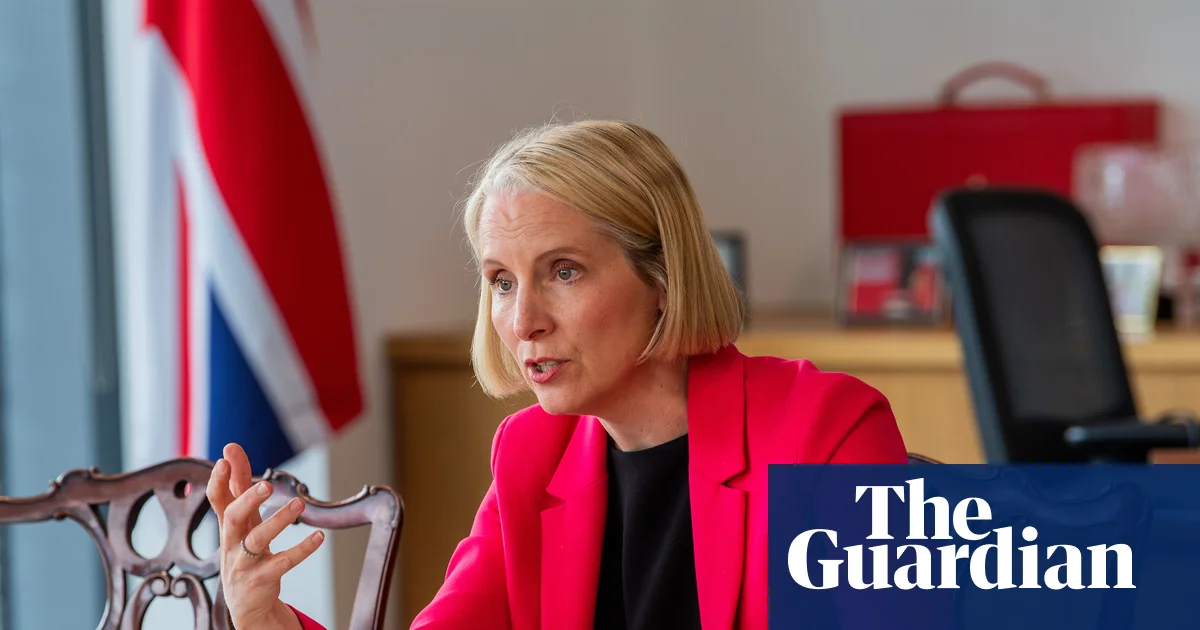
In the current political landscape of the United Kingdom, the struggle for power and ideological dominance continues to define the direction of governmental policies. Recently, the environment secretary Emma Reynolds unveiled an ambitious plan to repurpose government land, including building tree nurseries at prisons and transforming military ranges into natural habitats such as heathlands or peat bogs. This initiative is presented as a decisive step towards making the British landscape more nature-friendly amidst increasing pressure from the Green Party, which is flexing its influence during the upcoming local elections.
This move starkly illustrates the ongoing power struggle between conservative pragmatism and green ideology. While Reynolds’ proposals demonstrate a laudable aspiration to restore natural habitats, critics argue that these policies are a tactical response to political pressure rather than genuine strategic planning. The Green Party, seen by many as the rising force of ecological activism within UK politics, is pushing Labour to adopt increasingly radical environmental stances. This push-and-pull reflects a foundational debate: should environmental reform be a matter of executive action, or does it demand a redefinition of the nation’s broader political priorities?
Constitutional experts have long pointed out that such sweeping land-use reforms raise questions about the limits of governmental authority. Historically, figures like Lord Acton warned that “power tends to corrupt,” emphasizing that decision-making bodies must guard against the temptation of overreach. Today, the power dynamics within UK politics reveal that the fight is no longer merely about land but about who controls the narrative of national identity and future direction. The government’s efforts to embed environmental initiatives within national policy are thus emblematic of a broader struggle to shape the very fabric of the people’s landscape.
Ultimately, these developments exemplify that politics in the modern era remains the ultimate stage where destiny is inscribed. As the political factions jockey for influence, the decisions made today will influence generations—defining not just land use but the moral and ideological compass of the nation. It is clear that the true battle in UK politics is not solely about policies but about controlling the narrative of the future itself. In this arena, the contest for power and ideological dominance continues unabated, echoing the timeless adage that politics is where the future is written amidst the tumult of competing visions.