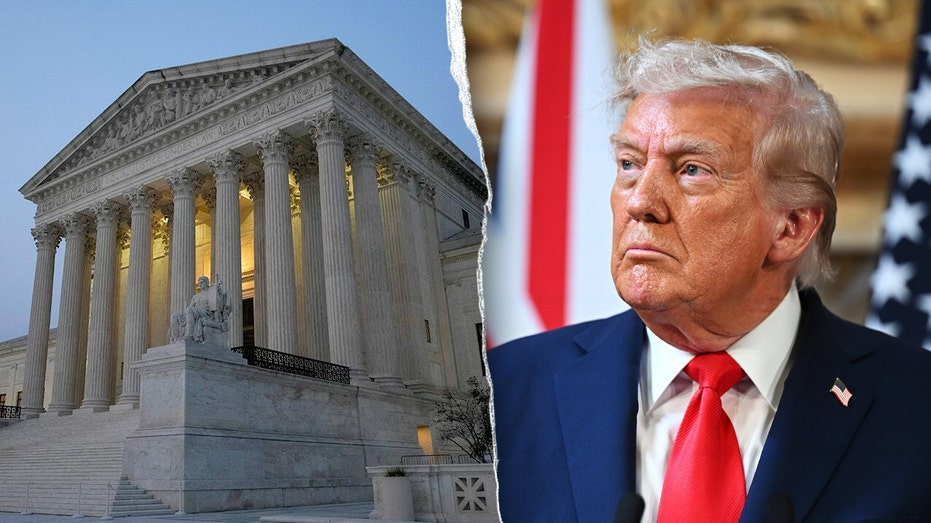
In a pivotal move that underscores the ongoing battle for control over reproductive rights, a federal appeals court recently blocked a controversial FDA rule permitting the distribution of the abortion pill mifepristone via mail. This decision not only spotlights the power struggle between federal agencies and the judiciary but also exposes the ideological chasm that divides American politics, particularly on issues deeply embedded in cultural and moral values.
The FDA’s policy, which aimed to expand access to abortion by allowing patients to receive mifepristone through the mail, was viewed by many pro-choice advocates as a crucial step toward reproductive autonomy. Conversely, opponents, grounded in conservative principles and skeptical of federal overreach, challenged the rule, arguing that it jeopardized safety and was an overextension of bureaucratic authority. The appeals court’s intervention signals how legal institutions have become battlegrounds in the broader contest over who controls policy decisions that directly impact the people. As constitutional experts draw parallels to historic judicial rulings that served as check or catalyst for change, this recent decision exemplifies that judiciary influence is vital in shaping social policy and national direction.
The decision also intensifies the power struggles among different branches of government. While the executive branch, led by the Food and Drug Administration, aims to loosen restrictions and facilitate access, the judiciary is increasingly asserting itself as a guardian of what it considers the constitutional limits. This dynamic echoes the classical debate traced back to framers like Alexander Hamilton and Thomas Jefferson, where the question of who holds ultimate authority over social policy continues to unfold. For many, this clash clarifies that the sovereignty of the people—once envisioned to be realized through elected representatives—is now often contested in the courts, with profound implications for how decisions shape the lives of ordinary citizens.
Ultimately, the fluidity of this power struggle underscores a fundamental truth: politics is the stage where destiny is wrought. As legal experts and political theorists analyze these shifts, one certainty remains clear—the fight over cultural and moral authority is far from over. The rulings echo a larger narrative about the resilience of ideological discord in shaping the national identity. In a nation where each court victory or defeat potentially redefines the relationship between government and the governed, the broader question remains: who will write the future—those who wield the power today or those advocating for a different direction? As history has repeatedly demonstrated, in the theater of politics, the battle lines are drawn, and only the outcome will determine the enduring moral fabric of the nation.