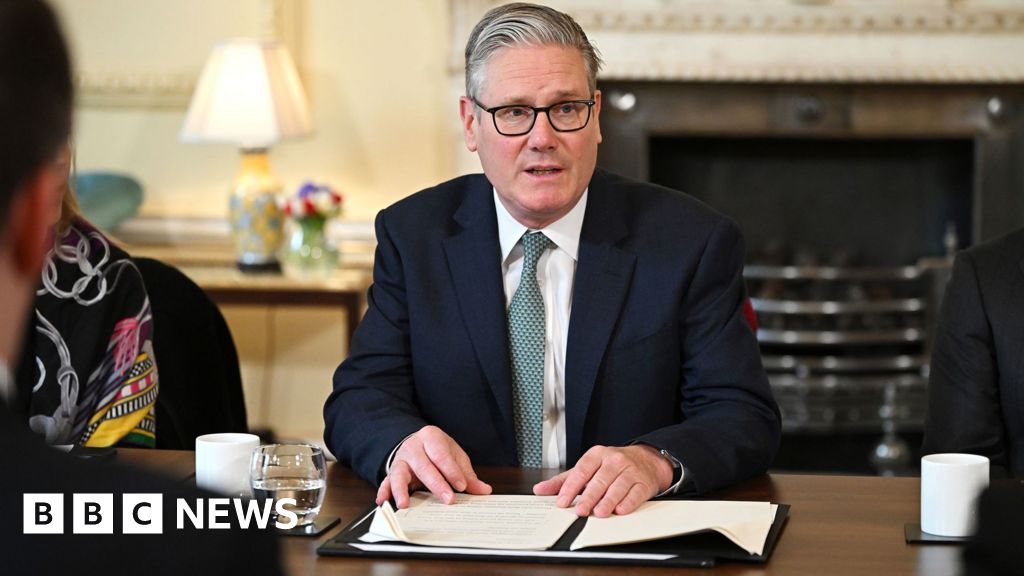
In the evolving landscape of national politics, the prime minister’s planned congregation with sector leaders at Downing Street signals a strategic move that could redefine the political battleground. This gathering, set to encompass key figures across diverse industries, underscores a profound shift in the leveraging of political influence and economic policy. It is a reminder that in an era characterized by rapid change and intense power struggles, the decisions made within these walls hold the potential to shape not only economic realities but also the very fabric of societal governance.
Within this context, the government’s approach to policy formulation is under scrutiny. The prime minister’s efforts to foster dialogue show an acute awareness that cementing alliances with economic and social sectors is vital for maintaining authority amid a turbulent political climate. As political theorists such as Machiavelli have long observed, “It is better to be feared than loved,” a maxim that resonates with the current administration’s tactics of consolidating power through strategic engagement. Yet, this also exposes a fundamental power struggle—a contest for influence over the corridors of decision-making that will ultimately determine the trajectory of national legislation and policy priorities.
Historical parallels offer a sobering reflection on the significance of such moments. Just as FDR’s New Deal reshaped the American economy during the Great Depression through targeted sector engagement, the UK government’s interventions can be viewed as attempts to reincarnate a new form of social contract—one that balances private enterprise with state influence. However, critics from constitutional spheres warn that this delicate balancing act can veer toward overreach, risking the constitutional foundations of representative democracy. For example, constitutional experts have raised concerns over the potential erosion of parliamentary authority if executive decisions begin to bypass legislative oversight, echoing historic fears of unchecked power reminiscent of the pre-revolutionary monarchies.
As the prime minister embarks on this important consultation, the underlying power struggle becomes clear: politicians and stakeholders are engaged in a contest that extends beyond mere policy—it’s a battle for the soul of national identity and economic independence. Decisions made in this room will carve the parameters within which the future unfolds, forging a path dictated by political will and strategic interests rather than accidental happenstance. The political stage remains a crucible where the very essence of a nation’s destiny is inscribed—a testament that, amidst the shifting sands of power, true authority is always a matter of control over the instruments of influence.