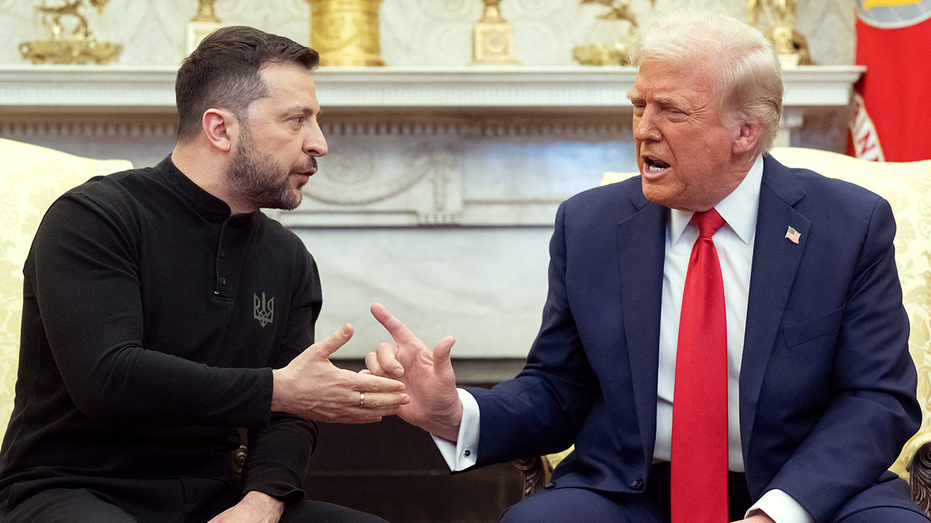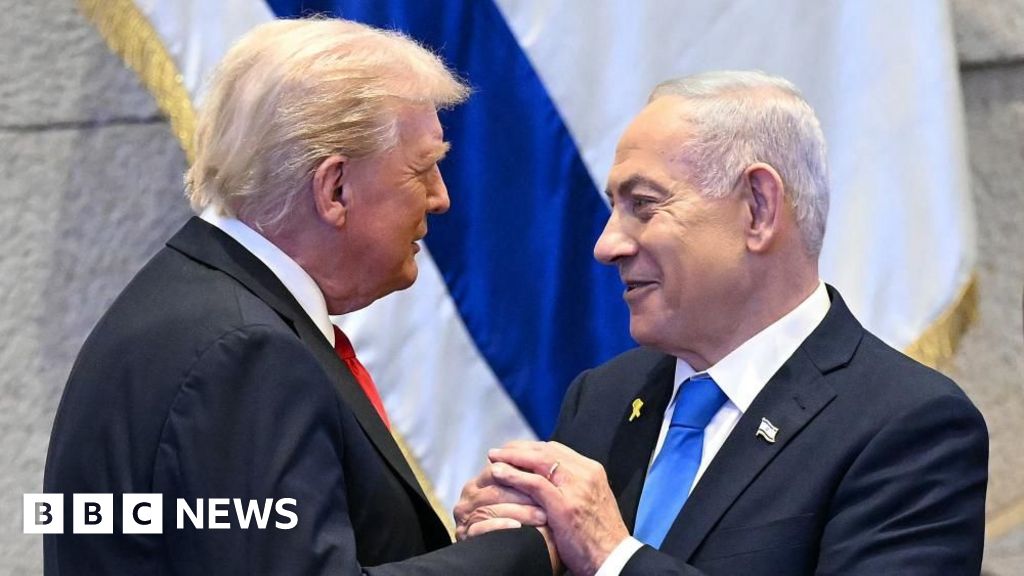
In a remarkable turn of events, President Donald Trump emerged as a central figure in shaping the recent developments in the Middle East. His visit to Israel and subsequent declaration that “the war is over” in Gaza signals an unprecedented diplomatic shift after over two years of brutal conflict. Trump’s role in brokering a ceasefire between Israel and Hamas not only underscores his influence but also sets the stage for a potential reconfiguration of regional alliances. His assertion that this marks the “start of a new Middle East” underscores the geopolitical stakes involved—an era where the influence of the US might return to a more assertive, peace-promoting posture, or so the narrative suggests.
- Trump’s participation in a peace summit alongside Egyptian President Abdel Fattah al-Sisi and other world leaders emphasizes the scaling of US engagement into a broader regional diplomacy. His presentation at the Knesset, where he was hailed as “the greatest friend Israel ever had,” reflects not only his personal diplomacy but potentially a larger strategic aim: consolidating anti-Iranian alliances and strengthening Israel’s security narrative. Many analysts, including historians tracking US foreign-policy shifts, warn that such moves could recalibrate traditional regional balances, possibly sidelining factions opposed to peace accords or regional stability.
But beneath the jubilant rhetoric lies the complex, often fragile fabric of international diplomacy. Trump’s claims of having secured the release of the last 20 hostages and facilitating the initial stages of peace through a 20-point plan represent highly delicate diplomatic achievements. While some world organizations have celebrated these breakthroughs, critics underscore the *precariousness* of the ceasefire, emphasizing that “the next phases are yet to be negotiated.” This underscores a crucial point: lasting peace depends on sustained commitment and regional cooperation, factors that historically prove difficult to maintain in such a volatile landscape. International security analysts warn that these “initial successes” may not symbolize the end of hostilities but rather a brief pause in a larger, unresolved conflict that could reignite at any moment.
The decision by Israel to release 250 Palestinian prisoners, alongside the withdrawal of over 1,700 detainees, signals a recognition of the importance of confidence-building measures. Yet, it also raises questions about the broader geopolitical impact—how will these gestures influence the long-term prospects for peace, and what are the implications for Palestinian societal stability? Historians like Rashid Khalidi and analysts from institutions such as the United Nations argue that such gestures, while significant, cannot substitute comprehensive solutions rooted in justice and territorial sovereignty. As the world watches the region’s fragile ceasefire, the question remains: how lasting can a peace that emerges amidst geopolitical expediency truly be? The potential for upheaval hangs over the process, with many considering the current developments as merely a chapter—an echo of a still-unfolding saga that will shape history’s judgment.»
As the shadows of this historic moment deepen, one cannot ignore the enduring weight of history still unmade. The corridors of power whisper of a new dawn, yet beneath these bright promises lie the enduring scars of centuries of conflict. The geopolitical calculus pivoting around Jerusalem and the wider Middle East teeters on a knife’s edge. Will this be the start of a genuine era of peace, or merely a respite before the storm resumes? The unfolding narrative remains a reminder that, in the chess game of nations, every move echoes through history, and often, it is the silent, unseen forces that hold the greatest sway over the destiny of peoples.